

Asit Kumar Mishra, University College Cork, Marie Coggins, University of Galway, The Conversation
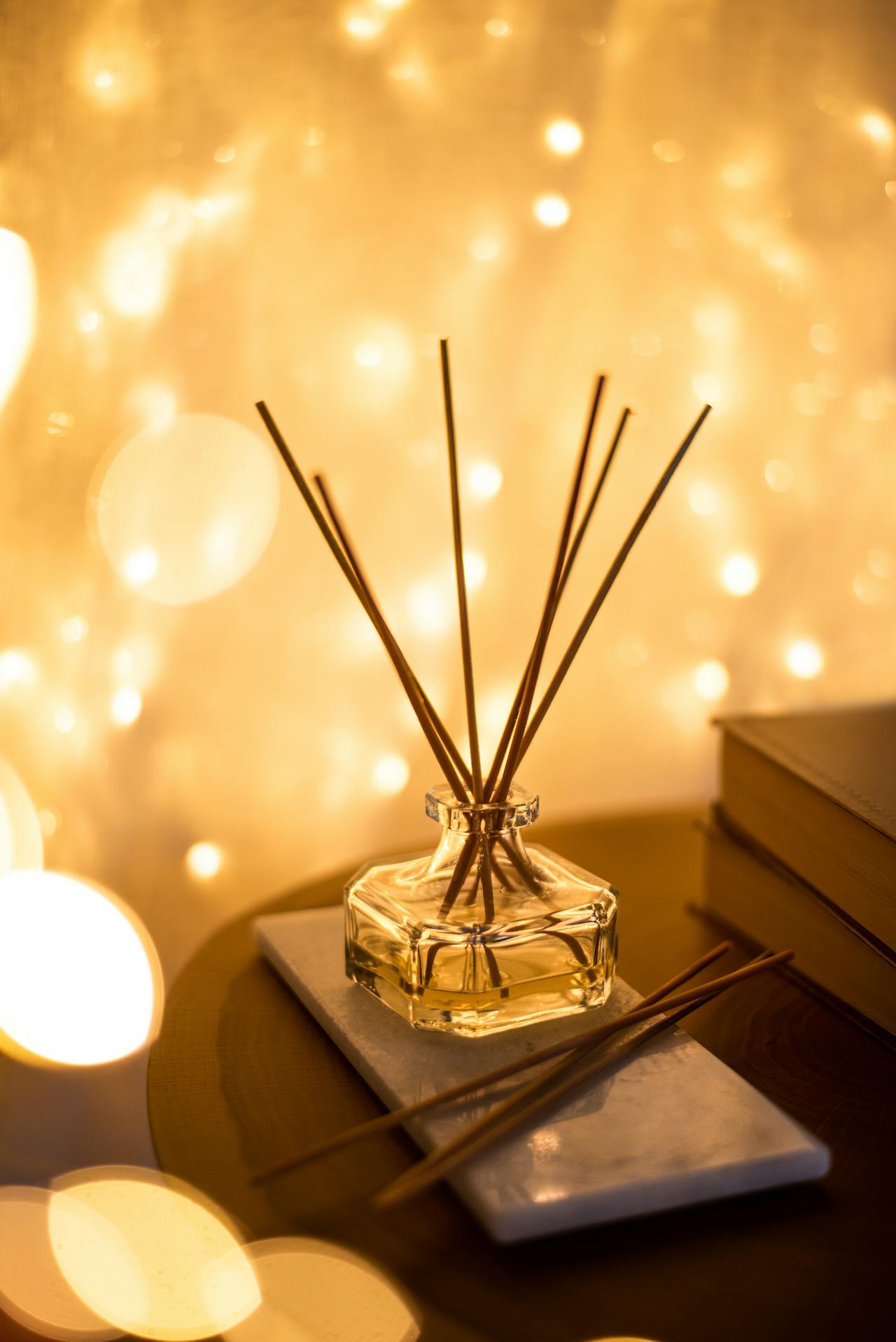
During winter, many of us use fragrances to help create a cosy, festive feeling in our homes. From gingerbread, cinnamon and pine scented candles to frankincense and myrrh diffusers, it’s becoming increasingly popular to use scents to evoke the Christmas spirit.
The UK home fragrance market generated a revenue of US$685.5 million (£540,965,050 million) in 2023 and is expected to reach US$1,203 million (£950,135,649 million) by 2030. Part of the growth is spurred by increasing consumer awareness of indoor air quality.
But are these products the best way to improve the quality of air in our homes – and how might they affect our health?
Products like scented candles, air fresheners and incense sticks may mask unpleasant odours and improve the smell of indoor spaces – but they do not remove harmful indoor pollutants. In fact, our research shows that some home fragrance products may be detrimental to indoor air quality.
Two of our recent studies examined Irish homes after energy retrofits. We found that occupant activities like burning candles, smoking and blocking wall vents can have a significant negative effect on indoor air quality.
Use of scented candles or smoking, when combined with blocked wall vents and closed windows, worsens exposure to indoor air pollutants for householders. While using scented candles, for example, peak fine particle concentrations could increase to 15 times the limits prescribed by the World Health Organization. These levels took a while to return to normal levels in underventilated rooms.
Burning candles or incense sticks produces a complex mix of chemicals and particulate matter, including toxic gases like carbon monoxide, sulphur dioxide and oxides of nitrogen.
Home fragrance products can also produce several volatile organic compounds (VOCs), which can be harmful to health. Particulate matter can cause short-term health effects like coughing and sneezing, and irritation of the eyes, nose, throat and lungs. Long-term exposure can increase the risk of heart disease, lung cancer and chronic bronchitis. Particulate matter can also worsen some existing conditions, such as asthma.
Pollutants and carcinogens
If equal weights of cigarette and incense sticks are burned, the incense sticks produce around four times as much particulate matter as the cigarettes. In non-smoking homes, candle use can be the major source of particulate matter pollution. Aerosol air fresheners introduce fine and ultra fine particles into the home air, along with a range of VOCs.
A flickering flame on the candle produces more of the larger particles and can increase emission of black carbon. Using scented candles or air fresheners in small bathrooms or bedrooms exposes us to much higher concentrations of the generated pollutants, increasing health risks. In poorly ventilated rooms, we have observed that concentration of pollutants like formaldehyde reach levels that can cause upper airway irritation.
Scented candles are likely to produce more fine particulate matter than unscented candles. Manufacturers are not required to disclose all the substances used in scented candles, due to associated patents, both in the US and the EU. Research estimates that in the US less than 10% of home fragrance ingredients are disclosed to the public.
Air freshener exposure has been associated with negative health impacts such as migraines, asthma attacks and dermatitis. Nitrogen oxides are the most produced gaseous pollutant from scented candles – and can have a negative effect on lungs and airways.
Some of the organic compounds emitted by home fragrance products, such as benzene, phthalates and formaldehyde, may cause cancer – and burning scented candles and incense sticks indoors is a major source of formaldehyde.
Short term exposure to candle smoke has been shown to reduce cognitive function, while chronic exposure to incense smoke has also been linked to decline in cognitive functions.
‘Natural’ isn’t always safer
Some consumers buy home fragrances made with natural ingredients in an attempt to to avoid exposure to harmful chemical ingredients. However, when burned, natural home fragrance additives can also release harmful levels of pollution. Some of the chemicals emitted can react with ozone in room air, producing byproducts which may also be toxic.
While the use of home fragrances is on the rise, research on the products is limited so we do not yet know the extent of their full impact on air quality and health. It is also possible that some adverse effects may show only after years of chronic exposure.
If you love to use home fragrances, then there are ways to reduce your exposure to potentially harmful chemicals. For example, try to use home fragrance products in larger spaces, such as the living room, and open windows. Check that any vents have not been blocked in your home – especially in a room where you plan to use home fragrances. Finally, most of the smoke from candles is emitted when the flame is extinguished. To be on the safe side, always try to snuff out candles outdoors.
Asit Kumar Mishra, Research Fellow in School of Public of Health, University College Cork and Marie Coggins, Senior lecturer in Exposure Science, University of Galway
This article is republished from The Conversation under a Creative Commons license. Read the original article.




















