

By Bedassa Tadesse, University of Minnesota Duluth; The Conversation
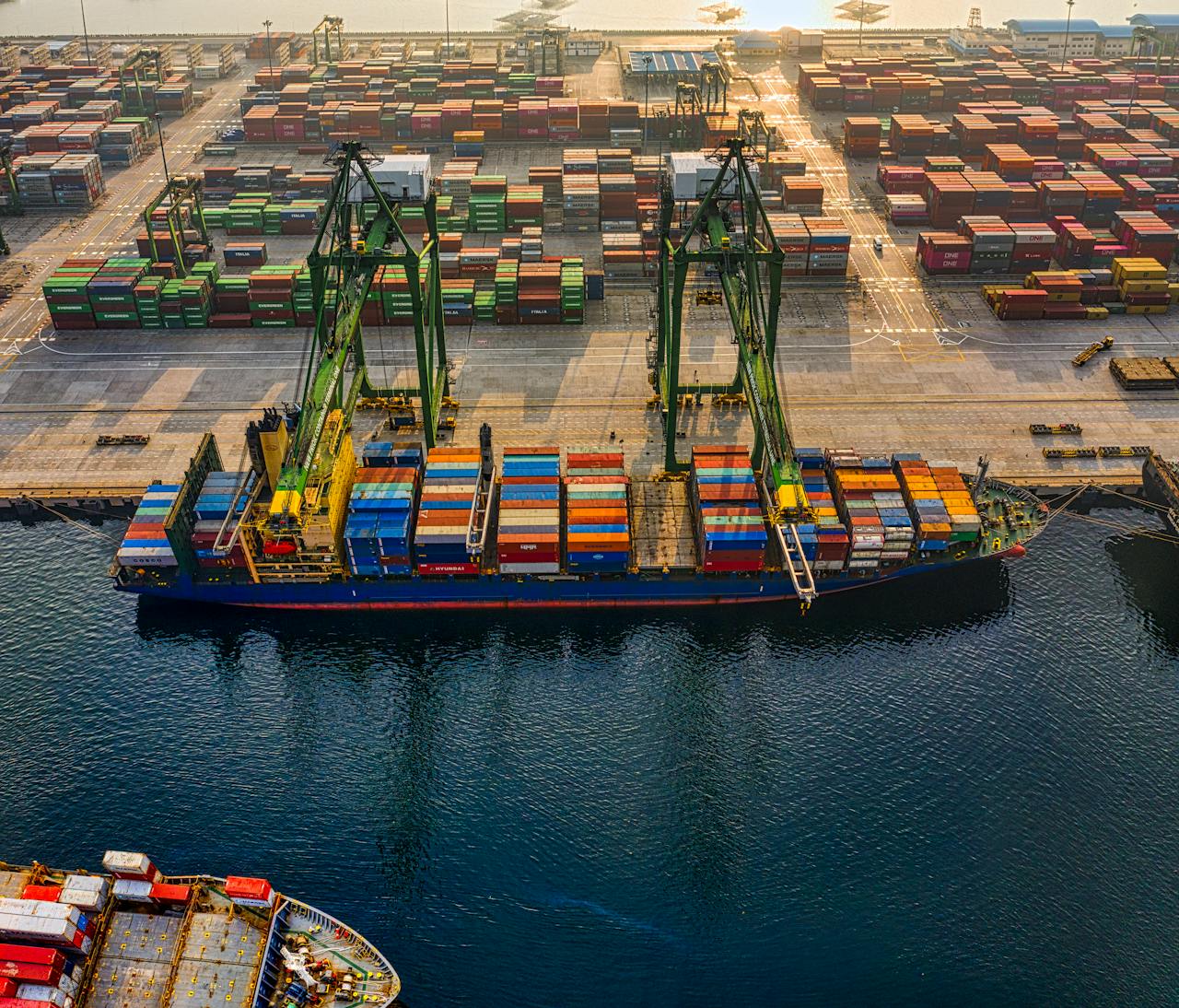
Trump pursued a protectionist trade agenda during his time in office. (Pexels Photo)
From the ports of Los Angeles to the cornfields of Iowa, the U.S.’s international trade policy is a force that shapes the lives of every American. With the presidential election looming in November 2024, discussing trade policy isn’t just an academic exercise – it’s a civic responsibility.
As an economist, I have spent years studying this topic. Trade policy has profound effects on how industries operate, from production locations to competitive dynamics. These changes impact everyday life, from the cost of your morning coffee to the job security in your local community.
And, because the president has extensive control over trade policy, every presidential election is a referendum on the issue.
The two most recent administrations – President Donald Trump and Vice President Mike Pence from 2017 to 2021 and President Joe Biden and Vice President Kamala Harris from 2021 to today – have had starkly different approaches to trade policy. The contrast shows how a president’s economic philosophy can reshape the nation’s global business strategy.
Both Trump and Harris are on the ballot in November. Harris is expected to carry on Biden’s trade policies if she wins. This comparison offers insight into how the next U.S. president will govern on trade.
2017-2021: Trump and Pence on trade
Trump pursued a protectionist trade agenda during his time in office.
Protectionism refers to government policies that limit international trade to benefit domestic industries. These measures include tariffs – taxes on imported goods – quotas and regulations that make imports more expensive.
One of Trump’s first acts in office was withdrawing from the Trans-Pacific Partnership — a colossal 12-nation pact that would have covered 40% of global output. His decision cost America both access to lucrative Asian markets and a powerful counterweight to China’s economic influence.
Closer to home, Trump renegotiated the North American Free Trade Agreement (NAFTA) into the United States-Mexico-Canada Agreement,
tightening rules for automakers. The effect? While wages for workers in the automotive industry and vehicle prices for American consumers increased, it barely spurred any additional domestic car production.
Trump also launched a tariff-driven trade war with China and the European Union, asserting it would address unfair practices and reduce the U.S. trade deficit. The strategy, however, prompted retaliatory tariffs, resulting in higher consumer prices and job losses in U.S. industries dependent on imported components. While some sectors benefited from the approach, American farmers suffered due to export losses, necessitating government subsidies.
Trump and his new running mate, JD Vance, have signaled their intent to revive the “America First” trade strategy. Their campaign platform calls for sweeping tariffs, including a blanket 10% tariff on all goods and a more aggressive 60% tariff specifically targeting Chinese products.
2021-today: Biden and Harris on trade
In contrast, the Biden-Harris administration adopted a multilateral approach emphasizing cooperation between countries.
The administration maintained most of Trump’s tariffs on Chinese goods and some on steel and aluminum imports from other countries. However, they reframed the measures as part of a broader push to rein in climate change and protect workers’ rights.
The administration also launched initiatives like the Indo-Pacific Economic Framework for Prosperity, or IPEF, signaling a return to Obama-era trade strategies prioritizing regional partnerships in the Pacific. The IPEF aims to strengthen economic ties with Asian countries by coordinating policies to enhance supply chain resilience and promote clean energy rather than focusing solely on tariff reductions.
The Biden-Harris approach emphasizes international cooperation while valuing domestic job creation, particularly in clean energy and manufacturing. However, maintaining many of Trump’s tariffs on Chinese goods, steel and aluminum has kept costs high for some U.S. businesses and consumers.
Building on the Biden administration’s policies, the Harris campaign has signaled its aim to shield lower- and middle-income households from new tariffs that could raise prices while maintaining a tough stance on China through existing tariffs and trade restrictions.
Presidential powers and influence on trade
The president plays a critical role in setting America’s trade policy.
The president can negotiate international trade deals, although Congress must approve them to become law. The executive branch also controls tariffs; under statutes such as the Trade Act of 1974, the president can impose them without congressional approval.
In addition, the president can declare national emergencies related to trade, appoint trade representatives, issue executive orders to manage federal trade policies, and impose sanctions that can influence global trade dynamics.
Free trade agreements can boost exports and promote economic growth, but they may also displace certain workers. In contrast, tariffs on imports protect some domestic industries but raise prices for American consumers. Studies show that tariffs imposed under Trump, and continued by Biden, have led to higher prices, reduced output and lower employment, harming the U.S. economy.
Trade policies also affect diplomatic relationships and global supply chains. So, as voters sift through the candidates’ trade policy positions, they must look beyond the soundbites. Understanding how each approach affects job markets, consumer prices and global competitiveness will help voters cast an informed ballot that aligns with their vision for the country’s future.
In the world of trade, every vote counts.
Bedassa Tadesse, Professor of Economics, University of Minnesota Duluth
This article is republished from The Conversation under a Creative Commons license. Read the original article.




















