

By Andy Spalding, University of Richmond; The Conversation
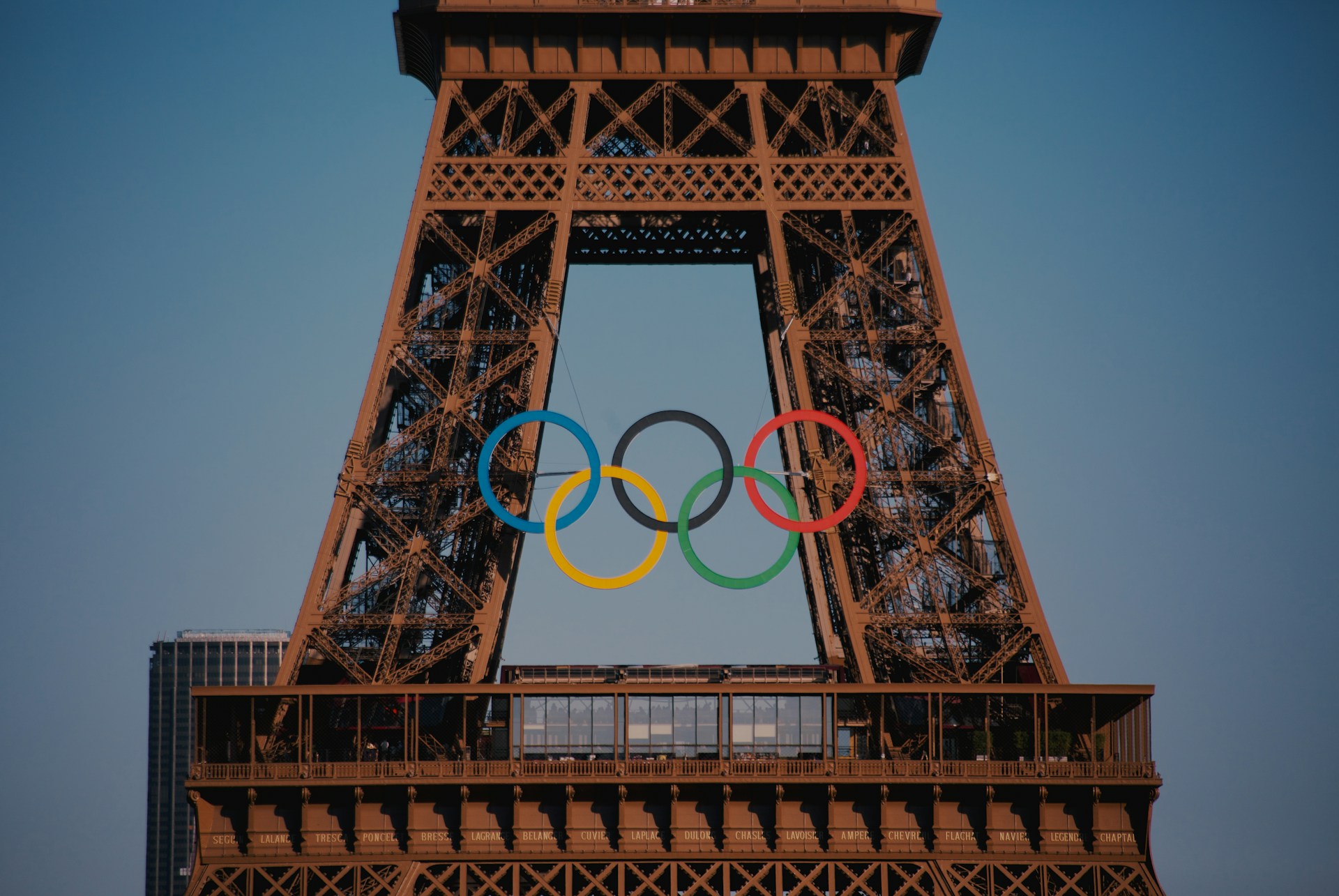
The Paris Olympics have been characterized by a relative absence of the scandals that often plague the Games. (File Photo: Bo Zhang/Unsplash)
The world has grown cynical about the integrity of major international sports, and not without reason. From the Olympics bribery scandal of the 1990s – which implicated the hosts of Nagano 1998, Sydney 2000 and Salt Lake City 2002 – we have seen additional corruption scandals in major global sporting events in countries as diverse as Germany, France, South Africa, Brazil, Russia, China and Qatar.
But Paris 2024 may mark the advent of a new era.
The Paris Olympics have been characterized by a relative absence of the scandals that often plague the Games. While controversies surrounding the Algerian and Taiwanese female boxers and the opening ceremony generated headlines, the overall tone has been positive. There were minor controversies ahead of the event around the awarding of some contracts and the manner of payment for the Paris 2024 director, but the event itself has been largely free from the official corruption scandals that have marred past Olympics.
As a leading voice in the global anti-corruption enforcement effort, I believe that the hosts have not only deterred misconduct but have left positive anti-corruption legacies in place for the future of global sports.
Even so, as the U.S. prepares to host four major international sporting events in the next decade – including a Summer Olympics and a FIFA World Cup – it faces a surprising anti-corruption identity crisis.
A ‘French Revolution’ of sports
The Frenchman Pierre de Coubertin resurrected the Olympic Games 125 years ago in hopes that they could provide an example of diverse nations competing, with good will, by an agreed-upon set of rules.
Today, among those rules the world most eagerly wants respected is the anti-corruption principle: that power ought not be abused for private gain, that athletes and businesses alike will compete by common rules with transparency and accountability.
After 25 years of repeated violations – and the dramatic plummeting of the Olympics brand – both France and the International Olympic Committee adopted a number of reforms in 2017. In combination, these reforms quietly produced a “French Revolution” of megasport governance.
The IOC amended its “omnibus host city” contract to include, for the first time in history, a clause obligating the host city to adopt leading anti-corruption measures.
That same year, completely independently, France found itself in the midst of an anti-corruption reform movement. Spurred by multiple embarrassing public- and private-sector scandals, France implemented a landmark anti-corruption law, Sapin II. The law has two highly innovative features.
First, it requires a broad swath of public- and private-sector entities to adopt mandatory anti-corruption compliance systems.
Second, it created a dedicated anti-corruption compliance agency, the Agence Francaise Anticorruption, whose sole task is to support those entities in implementing anti-corruption best practices.
As prudent as these measures sound, neither exists in the U.S. or in most of the rest of the world.
Then, later in 2017, these forces converged as the IOC awarded the 2024 Summer Olympics to Paris.
It was a fortuitous moment: The first country subject to the IOC’s new hosting rules was already undergoing a historic and innovative anti-corruption reform movement – and it happened to be occurring in the birthplace of the modern Olympics.
‘Most important decade’ for sports in US
Seven years on, the signs are that the new system has succeeded not just in reducing corruption, but in leaving a lasting positive impact of improved anti-corruption norms and practices in the public and private sectors.
Agence Francaise Anticorruption conducted a comprehensive audit of the Paris 2024 ecosystem. Concerns identified during the audit were handed to prosecutors, who conducted thorough investigations into any hint of corruption.
When the Paris Games comes to a close on Aug. 11, they will leave behind a new Olympic legacy for France and a blueprint for future hosts: a strengthened series of laws, policies, practices and norms promoting anti-corruption principles that extend beyond the event, the implementation of which is accelerated by hosting the event.
Put another way, in several years we will likely say that France is better off, not worse, in its anti-corruption efforts because it hosted the Olympic Games. This would constitute a dramatic paradigm shift.
With the Paris Games coming to an end, the eyes of the sporting world will soon turn to the United States and what the State Department has called the nation’s “most important decade” in sports. In the space of 10 years, the U.S. will host the 2026 FIFA Men’s World Cup (with Canada and Mexico), the 2028 Los Angeles Summer Olympics, the 2031 Rugby World Cup and the 2034 Salt Lake City Winter Olympics.
One might expect the U.S. to build upon the French precedent and raise the bar even further when it comes to anti-corruption enforcement. But it’s an unsettled moment for the U.S. in that regard.
An Olympic challenge to fight corruption
U.S. anti-corruption leadership has historically been based on two assumptions: First, that the U.S. is less tolerant of corruption than most countries; and second, when given the chance to lead, it is eager – some would say all-too eager – to take it.
Isolationist tendencies have gained increased traction in U.S. politics over the past decade, and many voters seem willing to support candidates who are embroiled in credible corruption controversies. It therefore remains to be seen whether Americans will still be as committed to setting a global example of first-rate anti-corruption compliance as they once were.
In addition, the U.S. lacks the two features of France’s anti-corruption framework that made the anti-corruption revolution possible. The U.S. only encourages, and does not mandate, that companies adopt anti-corruption compliance programs. And it lacks an agency that provides the kind of anti-corruption compliance support that the Agence Francaise Anticorruption gave Paris.
As a result, the organizing committees of these U.S. events will exist in a kind of anti-corruption blind spot.
So I believe the U.S. will have to innovate, lest it drop the anti-corruption baton that France will soon hand off. Do Americans still wish to be a global anti-corruption leader, in sports if not beyond? As the country faces a megasports spotlight for the next 10 years, it may find itself looking in the mirror.
Andy Spalding, Professor of Law, University of Richmond
This article is republished from The Conversation under a Creative Commons license. Read the original article.




















