Sports
College athletes still are not allowed to be paid by universities − here’s why

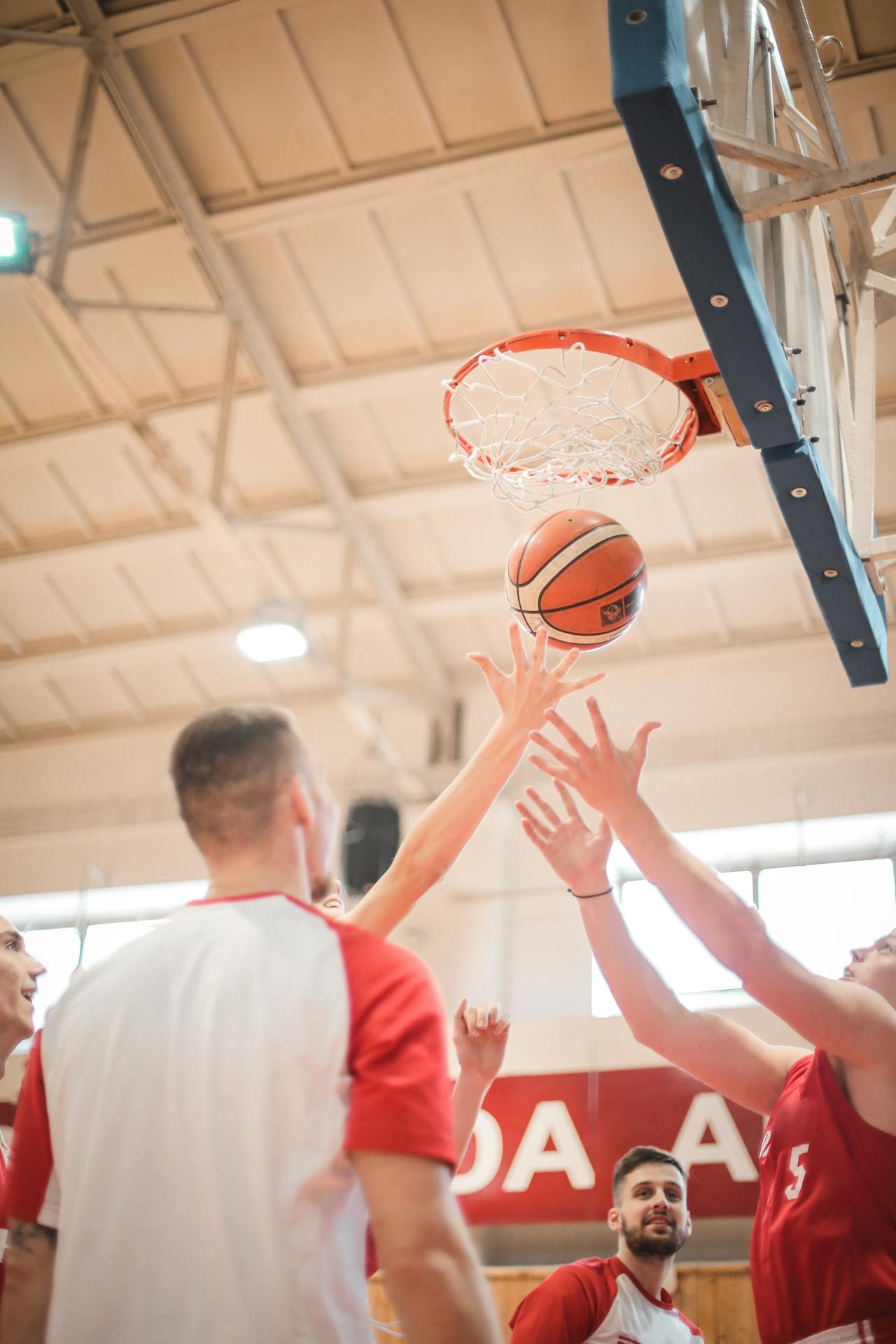
Not long after it was formed in 1906, the NCAA prohibited schools from compensating student-athletes for their athletic ability. (Pexels Photo)
Ever since July 1, 2021, student-athletes have been able to pursue endorsement deals. But when it comes to getting paid by the universities for which they play, the students have been shut down. Here, Cyntrice Thomas, a professor of sport management at the University of Florida, answers questions about the hurdles that stand in the way of college athletes being compensated for their athleticism.
What stands in the way of paying college sports players?
NCAA rules are the main obstacle.
Not long after it was formed in 1906, the NCAA prohibited schools from compensating student-athletes for their athletic ability. In 1948, the NCAA adopted the Sanity Code, which also prohibited athletic scholarships for students who couldn’t demonstrate financial need or economic hardship.
The organization began to allow athletic scholarships in 1956 without regard to financial need. But that was limited to tuition, room and board, and books.
Over time the NCAA has made more allowances, such as funding for medical insurance and by creating the Student Assistance Fund. The fund is meant to “cover unforeseen expenses” related to attending college.
Are the rules being challenged?
In 2009, Ed O’Bannon, a former UCLA basketball player, sued the NCAA over its rules that limited the amount in scholarships that schools could offer as well as the compensation for student-athletes with regard to the use of their image in video games. O’Bannon was successful in showing that the NCAA’s rules were unlawful, and the court allowed for schools to offer scholarships up to the cost of attendance.
Most recently, in 2021, the Supreme Court ruled in NCAA v. Alston that colleges must be allowed to compensate students for education-related expenses up to $5,980 annually. The Supreme Court found that the NCAA rules against this were a violation of antitrust law. The purpose of antitrust law is to protect and promote competition in the marketplace to keep prices competitive for consumers.
NCAA rules negatively affected competition because schools could offer only up to the cost of attendance in scholarships – not additional incentives that may attract student-athletes.
Currently, several lawsuits – including Johnson v. NCAA, Carter v. NCAA and House v. NCAA – have plaintiffs using different legal arguments to challenge NCAA rules that limit their access to compensation. In Carter v. NCAA, the plaintiffs claim the limitations on compensation are unlawful and that they are entitled to a share of the million-dollar television contracts of the conferences and NCAA.
Why are ‘name, image and likeness’ deals not enough?
States have passed laws that require student-athletes to be compensated by third parties for the use of their name, image and likeness. These laws directly contradict past NCAA rules that made this type of compensation an explicit NCAA violation because they threaten the notion of amateurism.
However, these laws do not apply to schools and universities. The laws apply only to third parties such as corporations like Gatorade or sport manufacturers like Nike, and that’s where these laws arguably fall short. Schools can continue to make millions of dollars from intercollegiate athletics without having to share that with student-athletes.
Schools and universities, however, can continue to use student-athletes’ names and images to promote their sports and do not have to compensate them. This is because NCAA rules prohibit schools from compensating student-athletes for their publicity or fame related to athletic ability.
Barbara Osborne, a sports scholar at the University of North Carolina at Chapel Hill, argues that through scholarships, student-athletes do receive compensation. However, when recognizing that Division I schools, especially those in a Power Five conference, generate billions of dollars in revenue, other scholars, such as Mark Nagel and Richard Southall, argue that a scholarship is insufficient and that “profit-athletes,” as he refers to them, deserve the fair market value of their labor.
Instead of paying their athletes, schools pour the revenue they make back into the athletic departments and use it to fund salaries, operating costs, facilities and other expenses. This can include funding other sports that do not generate revenue.
Who has the power to change things?
The NCAA, for one. However, the NCAA sees change as the end of amateurism. In fact, at its most recent convention in January, the organization restated its hopes of regaining some of its power to regulate intercollegiate athletics. Specifically, it plans to do this by seeking legal protection from the continuous threat of lawsuits. The organization is also lobbying Congress to declare that student-athletes are not employees.
Another possibility is for schools and universities, specifically those in the Power Five conferences, to simply leave the NCAA. They could then create their own governing body with rules that allow for schools to pay student-athletes, which would allow them to get the best recruits and make more money.
A third possibility is the federal government. Because of the number of legal challenges to the NCAA rules brought by current and former student-athletes, the NCAA has tried to lobby Congress. The organization spent over $750,000 lobbying Congress to create limitations on athlete pay. They also sought to get Congress to pass laws that limit name, image and likeness deals and give the organization an exemption from antitrust laws.
There is reluctance from members of Congress, however, to support an exemption for the NCAA. Some congressional members have actually advocated for more protections for student-athletes. For example, several senators have been working on a bipartisan bill that would include protections for student-athletes with regard to medical care and agent certification.
Cyntrice Thomas, Instructional Associate Professor, Sport Management, University of Florida
This article is republished from The Conversation under a Creative Commons license. Read the original article.