
Health
Online wellness content: 3 ways to tell evidence-based health information from pseudoscience


Health information is increasingly being shared online, and often the borders between legitimate health expertise and pseudoscience aren’t clear. (Pexels Photo)
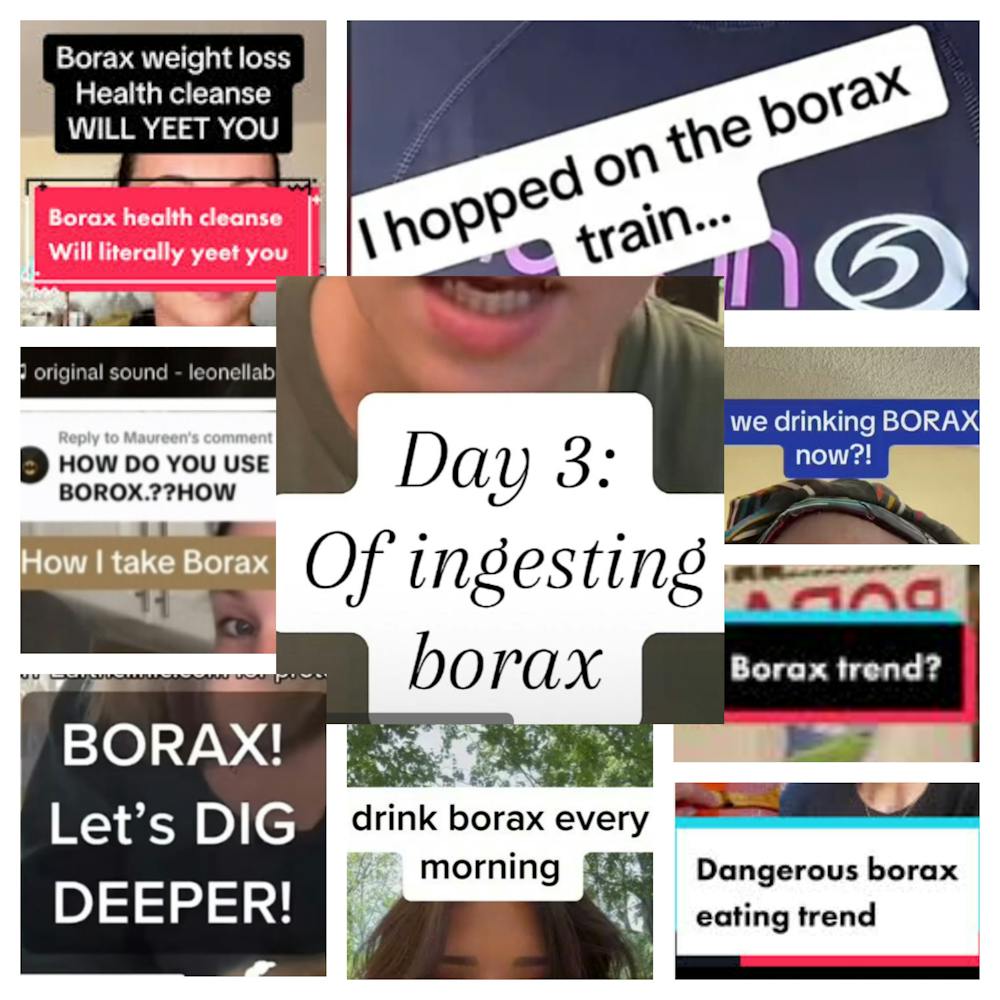
“I drink borax!” proclaims the smiling TikToker. Holding up a box of the laundry additive, she rhymes off a list of its supposed health benefits: “Balances testosterone and estrogen. It’s a powerhouse anti-inflammatory…. It’s amazing for arthritis, osteoporosis…. And obviously it’s great for your gut health.”
Videos like these prompted health authorities to warn the public about the dangers of ingesting this toxic detergent — and away from such viral messaging that promotes unsubstantiated and medically dangerous health claims.
Health information is increasingly being shared online, and often the borders between legitimate health expertise and pseudoscience aren’t clear. While the internet can be a valuable and accessible way to learn about health, it’s also a place rife with disinformation and grift, as unscrupulous influencers exploit people’s fears about their bodies.
Evidence and influencers
(Michelle Cohen)
In my medical practice, I can usually track online wellness trends, such as a patient refusing a medication because of online claims — many of which are false — that it lowers testosterone, or the several months when it seemed everyone was taking turmeric for joint pain, or the patients who request an ivermectin prescription in case they catch COVID.
So how does someone who simply wants to learn more about the human body sift through the information? How to separate bad-faith grift from good advice?
Wellness influencers tap into a truth about how we process information: it’s more trustworthy when it comes from a person we feel like we know. That’s why a charismatic personality’s Instagram account that uses intimate stories to promote parasocial attachment — the sense of being part of a community — is more memorable than a website offering dry recitations of evidence.
But as social media has become ubiquitous, health experts have caught on that sharing their personal side alongside reliable advice can be a good use of their platform. At first glance, these two groups may seem similar, but the following tips can help determine if the person posting health advice is actually knowledgeable on the topic:
1) Are they selling something?
Rarely do popular wellness influencers post out of the goodness of their hearts. Almost invariably these accounts are trying to profit from the virality of their content.
Whether it’s a supplement store, a diet book, a subscription to a lifestyle community or a Masterclass series, the end goal is the same: transform social media influence into sales. Gushing over life-changing benefits from something the promoter is selling should always prompt skepticism.
Some legitimate health experts also sell advice, usually in the form of newsletters, books or podcasts, and this is worth keeping in mind. However, there’s a big difference between selling a subscription to a health newsletter that discusses evidence and promoting your own supplement shop, where your financial motives shape how you present the information.
2) What are the boundaries of their expertise?
True expertise in a subject requires years of dedicated study and practice. That’s why people are rarely experts in more than one or two domains, and no one is a pan-expert on everything.
If a wellness influencer promotes themselves as erudite on all health topics, that’s actually an excellent indication of their lack of knowledge. A real health expert knows the limitations of their knowledge and can call on others’ expertise when needed. So the podcast host who opines on every health issue is substantially less worthwhile to listen to than the podcast host who brings on guest experts for topics outside their scope.
3) How do they talk about science?
Science is a process of discovery, not a static philosophy, so scientists emphasize talking about current evidence rather than “truth”, which is more of a faith-based concept.
If someone wants to post about their personal wellness philosophy or their spiritual journey and how it makes them feel, that’s fine. But dropping in biology jargon without explanation or name-checking one or two questionable studies without fulsome discussion isn’t a meaningful way to engage with the evidence on a health topic.
Science-based information should acknowledge where data are uncertain and where more research is needed. Using the pretext of science to lend credence to a personal “truth” is a form of pseudoscience and should raise red flags.
These three principles are a good framework for deciding whether an influencer’s health content is worth consuming or whether they’re simply trying to sell a new supplement or spread viral disinformation about something like borax.
As online health information becomes easier to find (or harder to avoid), this framework can help people quickly scan a wellness influencer’s profile and make a more informed decision about engaging with their content. This is an important type of media literacy that anyone spending time online should cultivate — for the sake of their health.
Michelle Cohen, Adjunct Assistant Professor, Department of Family Medicine, Queen’s University, Ontario
This article is republished from The Conversation under a Creative Commons license. Read the original article.




















