
News
Tampon tax: Chinese women are breaking period taboos to campaign for lower prices

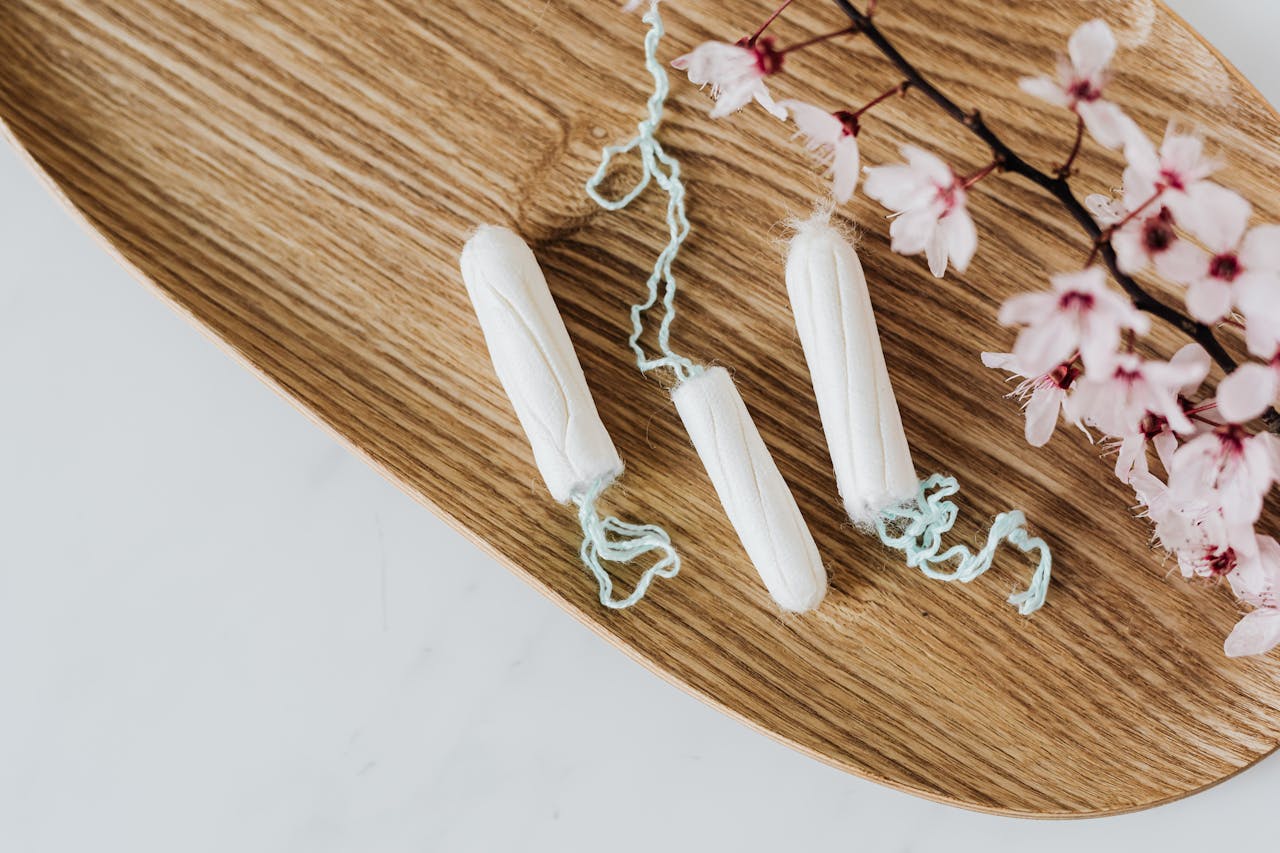
Women in China have to pay high prices for tampons, compared to many places in the world. (Pexels Photo)
Menstrual health and sanitary towels have been taboo subjects for hundreds of years in China. However, things are starting to change as women begin to feel more comfortable talking about this subject in public.
In recent months campaign groups have been springing up to rally opposition against high levels of tax on period-related products, such as tampons and sanitary towels, using social media.
Grassroots organisations, such as Period Pride, use public accounts on WeChat (a popular instant messaging app) to rally public support against high prices for goods that are traditionally sold to women.
Another sign of an uptick in campaigning was that the hashtag #PinkTax went viral on social media in the winter of 2023, making the case that items that were pink and aimed at women tended to cost more than products aimed at men. This issue will be bubbling up again on International Women’s Day (IWD), which has recently become a busy shopping day in China.
Period Pride has compared China with nearly 20 countries which have scrapped or reduced tampon taxes. It has highlighted the discrepancy in taxing tampons compared to other products on sale in China, such as tax-exempt contraceptive methods like condoms and birth control medication. A few years ago this kind of public discussion about periods and menstruation would not have happened.
One of the most significant issues is the price of sanitary towels. In China, the VAT rate for sanitary napkins is 13%, the highest level of taxation and is on a par with the tax rate applied to imported goods. Other goods considered necessities are taxed at 11%.
During the 14th session of the 13th National People’s Congress in 2021, congress deputy Wang Zuoying put forward a proposal advocating for the provision of free menstrual products to targeted groups of women. In June 2021, the ministry of finance responded saying that the existing tax rate for sanitary napkins, which is 13%, already reflects a reduction from previous years.
In September 2023, China released an updated draft of its VAT law, and asked for public feedback. Period Pride was one of the groups that publicly argued that the tax on sanitary towels and tampons was too high.
History of taboos
Period blood has long been falsely regarded as impure in China, with the potential to contaminate anyone who comes into contact with it. Menstruating women were traditionally prohibited from entering temples, even today women in some places are banned from worship during their periods. To avoid the social discomfort associated with uttering the word “menstruation”, women often used euphemisms such as “the big aunt” or “that”.
From the early 2000s, Chinese feminists began to tackle shame and taboos around menstruation, spurred on by the influence of western feminist movements. One notable example is the debut of the dance “Menarche” (named after the first menstrual cycle), which featured in the Chinese adaptation of The Vagina Monologues, in 2003.
A Chinese social media campaign in February 2020, during the COVID pandemic, drew attention to the desperate need for women doctors and nurses to have access to sanitary pads and period pants. Many female medical workers were not given time to change their sanitary pads during their long working hours at hospitals, or did not have access to supplies. A public campaign for donations of sanitary towels or period pants drew support, but critics argued they were nonessential items.
Another issue is that high prices of sanitary items leave many girls unable to afford them. In August 2020, a Weibo user shared a screenshot of bulk sanitary napkins purchased online. The post prompted a wider discussion about how many girls in rural areas didn’t have access to these products, partly because of cost but also because of taboos. According to one report, 5% of girls in poorer rural areas across China did not use sanitary products, while 13% felt ashamed about asking their parents for money to buy them. Many girls in rural areas were using rough paper, old towels, or worn-out clothing.
In September 2022, a complaint about the unavailability of menstruation products on high-speed trains prompted a wider public discussion about making such products accessible.
The fact that this debate has to happen at all reveals the long-term invisibility of women’s needs and the deeply ingrained stigma associated with period products. Some of those who opposed the selling of menstrual products on trains were concerned that they were unclean and unsuitable for placement alongside food items. The revelation that some men do not even know that women cannot simply control their menstrual blood also reflects a shocking deficiency in sex education within Chinese schools, as well as a tendency among parents and educational providers to avoid discussing this topic.
What next?
The strategy used by Period Pride highlights the political constraints in China. Facing the risk of being labelled as agents of foreign influence, feminist movements have tactfully chosen to work with the government rather than against it. Instead of resorting to protests, Period Pride encourages people to use the government-provided channels for political participation. While viewed as ineffective by some, these offer a less risky alternative to traditional protests.
Discussions regarding menstrual pads on high-speed trains were relatively untouched by severe censorship, as they did not directly challenge the state’s legitimacy. These conversations predominantly revolved around business interests.
It remains to be seen whether people’s submission of suggestions through government websites will result in any change to the tampon tax. However, even if it does not, the act of submitting suggestions and making voices heard can help to build momentum for incremental change. Public discussions on social media platforms are creating an environment in which attitudes to periods are starting to erode historical taboos.
Chi Zhang, Associate lecturer in international relations, University of St Andrews
This article is republished from The Conversation under a Creative Commons license. Read the original article.




















