
Health
Could many dementia cases actually be liver disease?

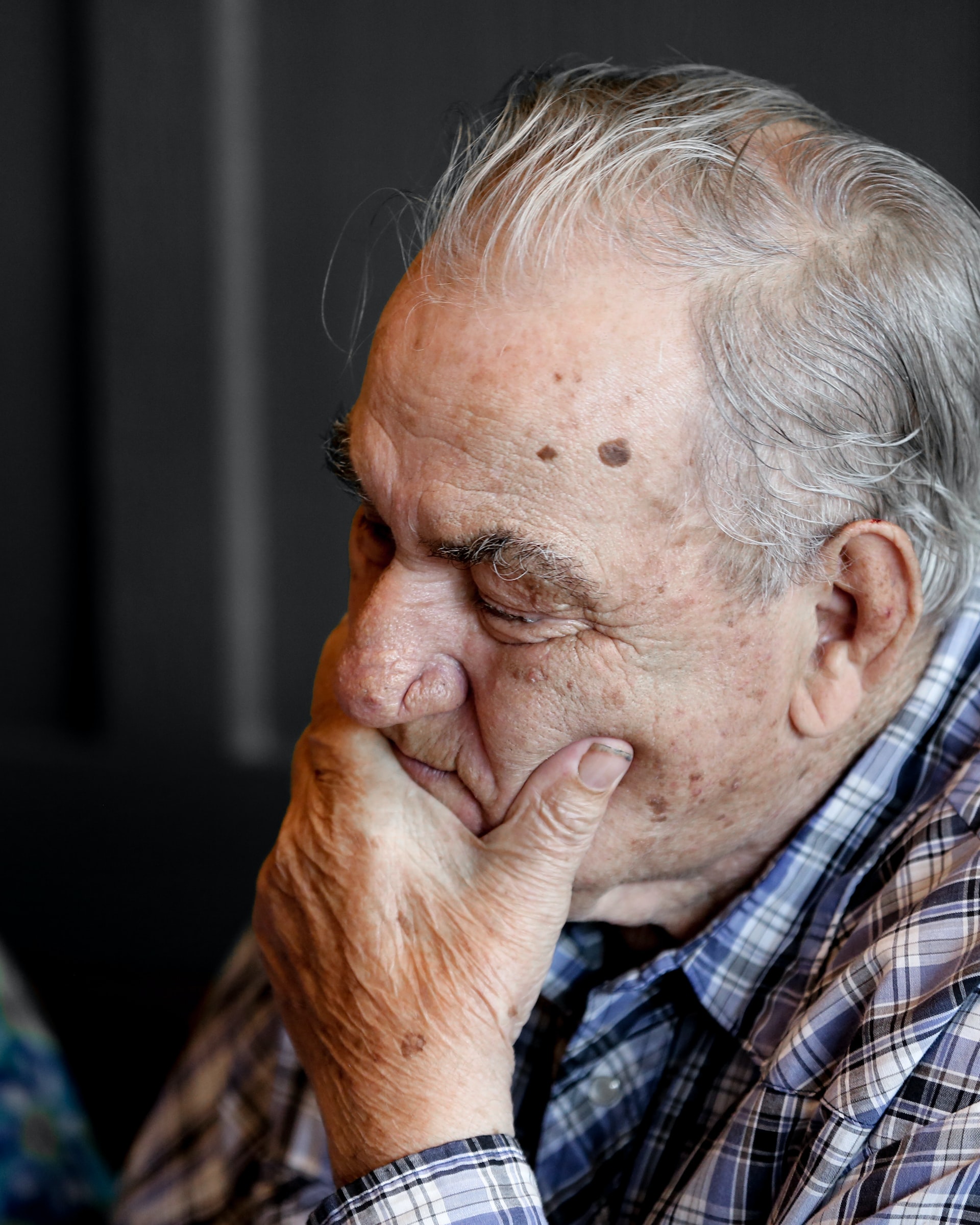
The liver can be damaged by several things, including alcohol, fatty deposits and hepatitis viruses. (File Photo: Tim Doerfler/Unsplash)
A recent study of US veterans found that 10% of those diagnosed with dementia actually had a liver condition called hepatic encephalopathy (HE) – a treatable condition.
The liver can be damaged by several things, including alcohol, fatty deposits and hepatitis viruses. When the damage continues over several years, the liver becomes scarred (known as cirrhosis) and, at a certain point, can no longer perform one of its critical tasks: detoxifying the blood. Toxins (mainly ammonia) can build up and get into the brain, interfering with brain function.
This is HE.
HE can be very mild and difficult to diagnose. Symptoms can be as subtle as changes in sleep pattern or irritability. As the condition worsens, symptoms such as forgetfulness, disorientation or confusion emerge. In its most severe form, it can cause coma and death.
Once diagnosed, it can be treated, initially with laxatives that help to remove ammonia and other toxins that accumulate in the gut. This is followed by treatment with an antibiotic (rifaximin) that kills some of the harmful ammonia-producing bacteria in the gut. If it is very severe, HE can even be a reason to have a liver transplant.
Silent condition
HE is easier to spot and treat if we know the person has cirrhosis. The trouble is that cirrhosis is a silent condition until it reaches very late stages when the liver starts to fail. HE is much harder to diagnose in the general population. The symptoms of change of mood, behaviour, confusion and forgetfulness are also all seen in people with dementia.
Dementia is a condition caused by long-term damage to brain function. This is most commonly caused by reduced blood supply to the brain because of damage to small blood vessels through diabetes or high blood pressure (vascular dementia). Other forms of dementia include Alzheimer’s disease, where deposits damage the brain causing typical symptoms of forgetfulness and confusion.
The new US study examined medical records of former soldiers treated by the Veterans Health Administration over ten years with a diagnosis of dementia made on at least two separate occasions.
The team looked at clinical data including blood results from this group and used them to calculate an FIB-4 score (a score based on liver blood results and age), which can be used to predict liver damage. Over 175,000 people were included in the analysis. Of these, 10% (18,390 people) had a FIB-4 score of more than 3.25 (an accepted cut-off for the diagnosis of liver scarring).
The researchers found that a high FIB-4 score was more common in those with viral hepatitis and heavy alcohol users – risk factors for liver disease.
A high score was less likely in people who had diabetes, high blood pressure or kidney disease – all risk factors for dementia. This suggests that people with a high FIB-4 score may actually have liver disease with HE causing their symptoms rather than dementia.
The researchers went on to confirm these findings by looking at a separate group of people that were assessed for dementia at their hospital and found similar results, with 9% having a high FIB-4 score and potential cirrhosis.
This study suggests that around 10% of people diagnosed with dementia may instead have underlying silent liver disease with HE causing or contributing to the symptoms – an important diagnosis to make as HE is treatable.
Important new avenue
It is the first study of its kind to analyse routinely collected health data in this way. However, we should treat these results with some caution.
First, the data is from military veterans – 97% male and 80% white ethnicity – and hence not representative of the wider population. Second, FIB-4 was used as a marker of cirrhosis. It is a useful score that is easily calculated, but accuracy depends on the cause of liver disease and is lower in older people. Finally, having a high FIB-4 score does not necessarily mean that the person has HE.
This study opens an important new avenue of research. It raises the awareness of checking for liver disease in people with general symptoms of dementia. This is likely to be a growing problem as the rates of both dementia and cirrhosis are increasing. But we still need better data to fully understand the number of people with HE incorrectly given a diagnosis of dementia and how best to identify and treat them.
Ashwin Dhanda, Associate Professor of Hepatology, University of Plymouth
This article is republished from The Conversation under a Creative Commons license. Read the original article.




















