Headline
The first Neuralink brain implant signals a new phase for human-computer interaction

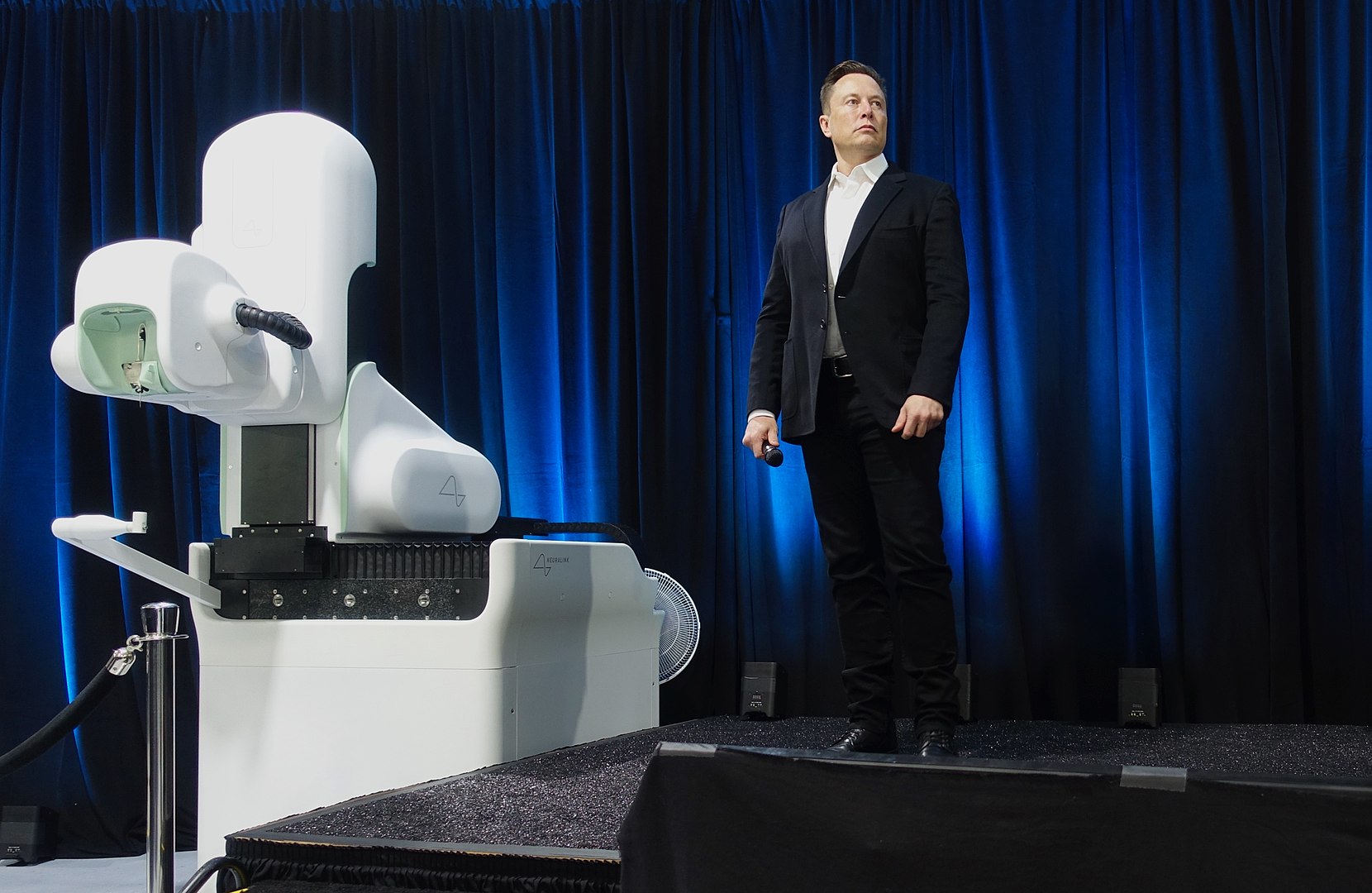
FILE: Elon Musk discussing the Neuralink. (Photo By Steve Jurvetson/Wikimedia Commons, CC BY 2.0)
The first human has received a Neuralink brain chip implant, according to co-founder Elon Musk. The neurotechnology company has started its first human trial since receiving approval from the U.S. Food and Drug Administration in 2023.
The trial’s focus is on an implant that could potentially allow people with severe physical disabilities to control digital devices using their thoughts. The study involves implanting a brain chip — called a brain-computer interface implant — in the region of the brain that controls movement intention.
Musk has said the patient who received the implant — fittingly named Telepathy — is “recovering well” and that “initial results show promising neuron spike detection.” No other details about the trial have been provided yet.
This development is more than just a technical milestone; it represents a major leap in potential human-computer interaction, raising important questions about the integration of advanced technology with the human body and mind.
Neuralink’s mission
Neuralink’s stated mission is to “create a generalized brain interface to restore autonomy to those with unmet medical needs today and unlock human potential tomorrow.” This mission communicates two key approaches.
In the short term, the focus will be on individuals with medical needs. The long-term vision extends far beyond this, alluding to a goal of augmenting human potential. This suggests Neuralink envisions a future where its technology transcends medical use and becomes a tool for cognitive and sensory enhancement in the general population.
The evolution of Neuralink presents a range of possible future scenarios. The first scenario envisions successful trials leading to adoption in niche markets, signifying a breakthrough but with restricted scope.
The second, more optimistic scenario, involves widespread acceptance after successful human trials, with the potential to revolutionize our interaction with technology. And the third — a more pessimistic view — considers the venture’s failure, driven by many societal, technological, legal and medical factors.
The realistic scenario
In the most realistic scenario, Neuralink is expected to achieve success by focusing on medical applications for individuals with severe disabilities. This targeted approach is likely to resonate with consumers in need of life-changing technologies, which will drive early adoption within this specific demographic.
In this case, wider acceptance from the broader consumer base will hinge on various factors, including the technology’s perceived usefulness, privacy implications and the overall risk-benefit perception.
Socially, Neuralink’s trajectory will be significantly influenced by public and ethical discussions. Issues surrounding data security, long-term health implications and equitable access will likely dominate public discourse.
Widespread acceptance of Neuralink’s technology will depend on its medical efficacy and safety, combined with Neuralink’s ability to address ethical concerns and gain public trust.
The optimistic scenario
In the optimistic scenario, Neuralink’s technology transcends its initial medical applications and integrates into everyday life. This scenario envisions a future where the technology’s benefits are clearly demonstrated and recognized beyond its medical use, generating interest across various sectors of society.
Consumer interest in Neuralink would extend beyond those with medical needs, driven by the appeal of enhanced cognitive abilities and sensory experiences. As people become more familiar with the technology, concerns about invasiveness and data privacy may decrease, especially if Neuralink can provide robust safety and security assurances.
From a societal standpoint, the optimistic scenario sees Neuralink as a catalyst for positive change. The technology could bridge gaps in human potential, offering new ways of interaction and communication.
Although ethical concerns would still exist, the potential benefits in education, workforce productivity and overall quality of life could outweigh them. Regulatory bodies might adopt more accommodating policies, influenced by public enthusiasm and the technology’s track record in improving lives.
In this scenario, Neuralink becomes a symbol of human advancement, seamlessly integrating into daily life and opening new possibilities in human-machine interaction.
Its success would set a precedent for other technologies at the intersection of biology and technology, like gene editing technologies and bioelectronic medicine, paving the way for a future where such integrations are the norm.
The pessimistic scenario
In the pessimistic scenario, Neuralink will face significant challenges that hinder its widespread adoption and success. This scenario considers the possibility of the technology failing to meet the high expectations set for it, either due to technological limitations, safety concerns or ethical dilemmas.
From a technological standpoint, the complexity of interfacing directly with the human brain could be more complex than anticipated, leading to underwhelming performance or reliability issues.
Physical and psychological safety concerns might also be more significant than initially thought, with potential long-term health implications that could deter both consumers and medical professionals.
The invasive nature of the technology and privacy concerns related to brain data could lead to widespread public apprehension. This skepticism could be compounded if early applications of the technology are perceived as benefiting only a select few, exacerbating social inequalities.
Ethically, the prospect of brain-computer interfaces could raise questions about human identity, autonomy and the nature of consciousness. These concerns might fuel public opposition, leading to stringent regulatory restrictions and slowing down research and development.
In this scenario, Neuralink’s ambitious vision might be curtailed by a combination of technological hurdles, public mistrust, ethical controversies and regulatory challenges, ultimately leading to the project’s stagnation or decline.
While Neuralink presents numerous possibilities, its journey isn’t merely about technological advancement. The outcome of this venture holds key implications for the future of neural interfaces and our understanding of human capabilities, underscoring the need for a thoughtful approach to such innovation.
Omar H. Fares, Lecturer in the Ted Rogers School of Retail Management, Toronto Metropolitan University
This article is republished from The Conversation under a Creative Commons license. Read the original article.