
Fowl language: AI is learning to analyze chicken communications to help us understand what all the clucking’s about

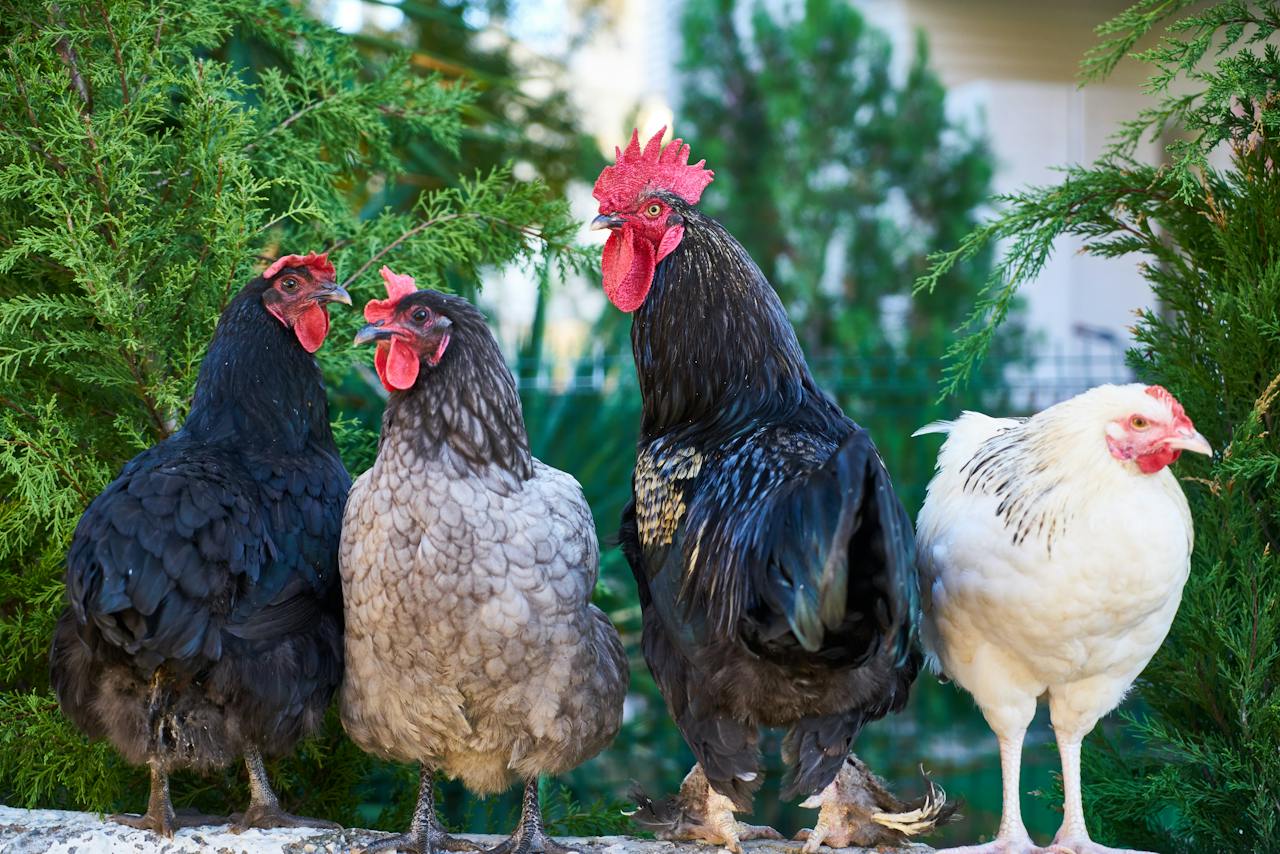
Chickens are vibrant communicators. (Pexels Photo)
Have you ever wondered what chickens are talking about? Chickens are quite the communicators — their clucks, squawks and purrs are not just random sounds but a complex language system. These sounds are their way of interacting with the world and expressing joy, fear and social cues to one another.
Like humans, the “language” of chickens varies with age, environment and surprisingly, domestication, giving us insights into their social structures and behaviours. Understanding these vocalizations can transform our approach to poultry farming, enhancing chicken welfare and quality of life.
Our research at Dalhousie University applies artificial intelligence (AI) to decode the language of chickens. It’s a project that’s set to revolutionize our understanding of these feathered creatures and their communication methods, offering a window into their world that was previously closed to us.
Chicken translator
The use of AI and machine learning in this endeavor is like having a universal translator for chicken speech. AI can analyze vast amounts of audio data. As our research, yet to be peer-reviewed, is documenting, our algorithms are learning to recognize patterns and nuances in chicken vocalizations. This isn’t a simple task — chickens have a range of sounds that vary in pitch, tone, and context.
But by using advanced data analysis techniques, we’re beginning to crack their code. This breakthrough in animal communication is not just a scientific achievement; it’s a step towards more humane and empathetic treatment of farm animals.
One of the most exciting aspects of this research is understanding the emotional content behind these sounds. Using Natural Language Processing (NLP), a technology often used to decipher human languages, we’re learning to interpret the emotional states of chickens. Are they stressed? Are they content? By understanding their emotional state, we can make more informed decisions about their care and environment.
Non-verbal chicken communication
In addition to vocalizations, our research also delves into non-verbal cues to gauge emotions in chickens. Our research has also explored chickens’ eye blinks and facial temperatures. How these might be reliable indicators of chickens’ emotional states is examined in a preprint (not yet peer reviewed) paper.
By using non-invasive methods like video and thermal imaging, we’ve observed changes in temperature around the eye and head regions, as well as variations in blinking behaviour, which appear to be responses to stress. These preliminary findings are opening new avenues in understanding how chickens express their feelings, both behaviourally and physiologically, providing us with additional tools to assess their well-being.
Happier fowl
This project isn’t just about academic curiosity; it has real-world implications. In the agricultural sector, understanding chicken vocalizations can lead to improved farming practices. Farmers can use this knowledge to create better living conditions, leading to healthier and happier chickens. This, in turn, can impact the quality of produce, animal health and overall farm efficiency.
The insights gained from this research can also be applied to other areas of animal husbandry, potentially leading to breakthroughs in the way we interact with and care for a variety of farm animals.
But our research goes beyond just farming practices. It has the potential to influence policies on animal welfare and ethical treatment. As we grow to understand these animals better, we’re compelled to advocate for their well-being. This research is reshaping how we view our relationship with animals, emphasizing empathy and understanding.
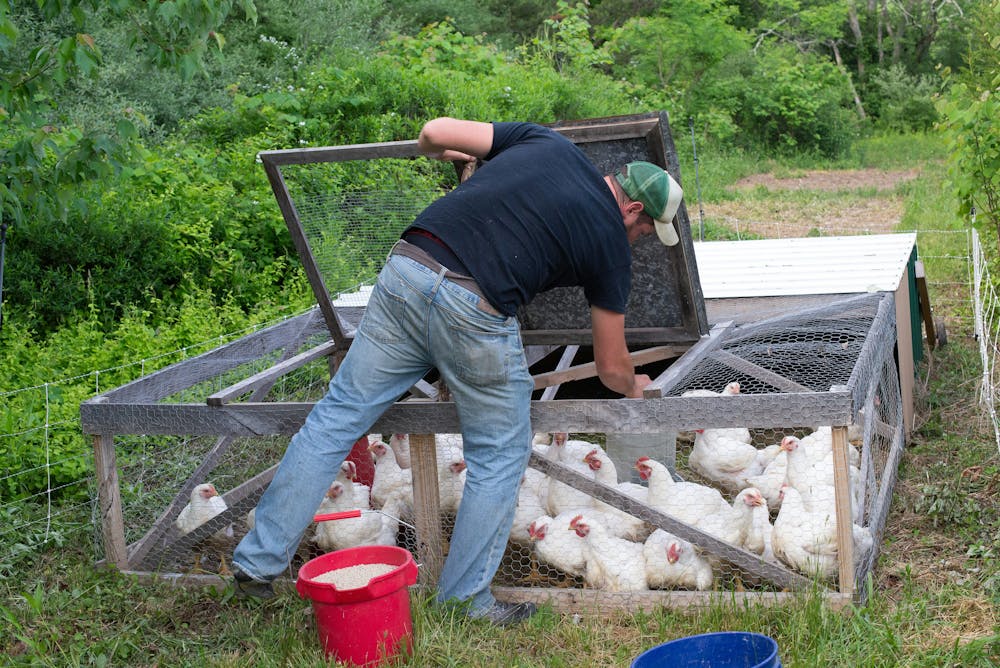
(Unsplash/Zoe Schaeffer)
Ethical AI
The ethical use of AI in this context sets a precedent for future technological applications in animal science. We’re demonstrating that technology can and should be used for the betterment of all living beings. It’s a responsibility that we take seriously, ensuring that our advancements in AI are aligned with ethical principles and the welfare of the subjects of our study.
The implications of our research extend to education and conservation efforts as well. By understanding the communication methods of chickens, we gain insights into avian communication in general, providing a unique perspective on the complexity of animal communication systems. This knowledge can be vital for conservationists working to protect bird species and their habitats.
As we continue to make strides in this field, we are opening doors to a new era in animal-human interaction. Our journey into decoding chicken language is more than just an academic pursuit: it’s a step towards a more empathetic and responsible world.
By leveraging AI, we’re not only unlocking the secrets of avian communication but also setting new standards for animal welfare and ethical technological use. It’s an exciting time, as we stand on the cusp of a new understanding between humans and the animal world, all starting with the chicken.
Suresh Neethirajan, University Research Chair in Digital Livestock Farming, Dalhousie University
This article is republished from The Conversation under a Creative Commons license. Read the original article.




















