
Health
Do kids grow out of ADHD as they get older?

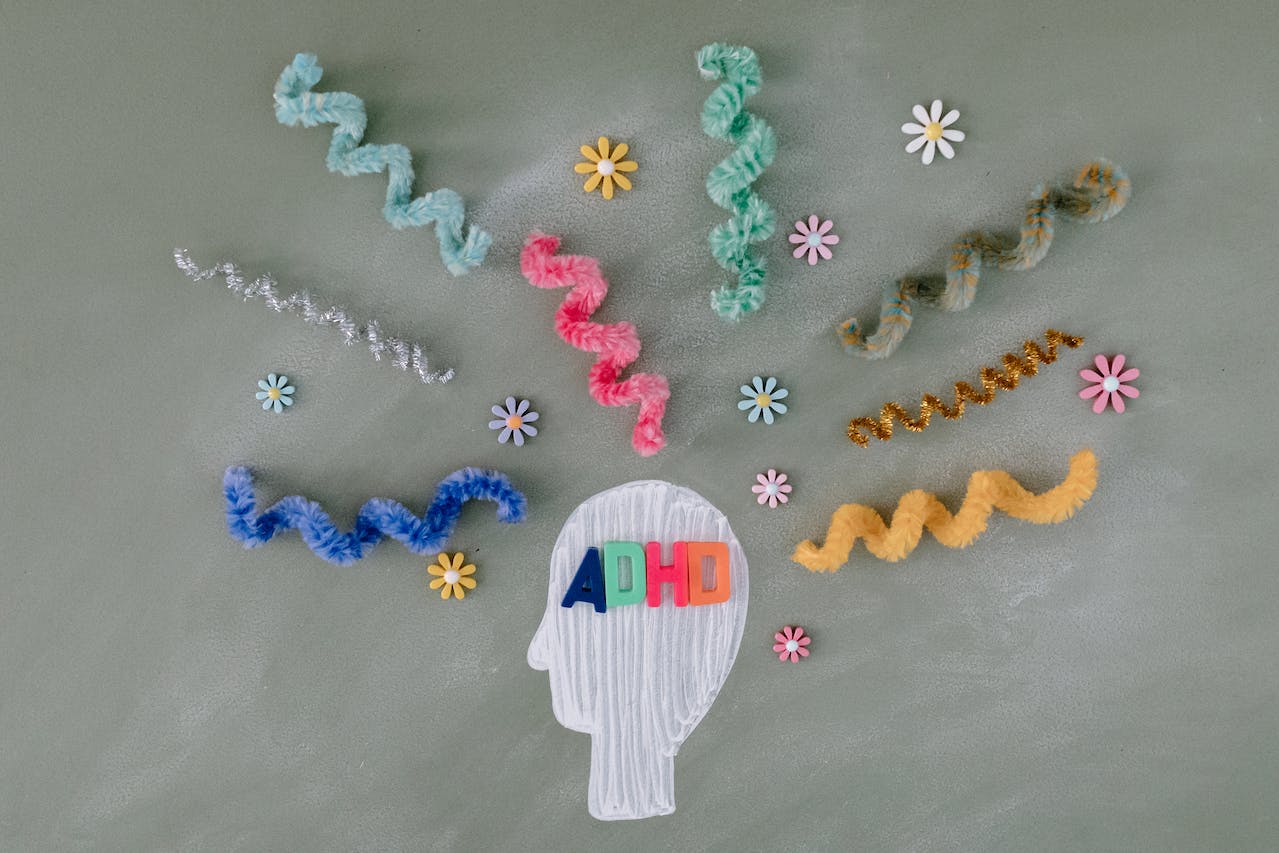
If people have ADHD, the way it affects them can change over time too. (Pexels Photo)
Attention-deficit hyperactivity disorder (ADHD) is more often diagnosed in children. That might make you wonder if people grow out it as they reach adulthood.
ADHD is a neurodevelopmental disorder that involves difficulties focusing attention (for study or work) and/or sitting still or keeping impulsive actions in check. This means people with ADHD are different and the differences are there for life. But development is a dynamic process because people change, mature and develop their skills.
If people have ADHD, the way it affects them can change over time too.
When kids change, ADHD can be easier to spot
As children’s skills develop, differences due to ADHD may become easier to spot.
So hyperactivity may not be noticed in a baby who waves their arms and legs around, but once the child develops new skills and starts to run and climb, the hyperactivity may be obvious.
As children develop their cognitive skills, like listening and understanding and learning to talk, they have to learn from other people. This requires the child’s attention. As a child progresses through school, the demands on their attention increase.
Finally a person has to function independently as an adult. This may involve a career, running a household and raising a family.
ADHD can’t be formally diagnosed until it affects a person’s functioning. This will depend on the balance of their natural abilities and the demands of life.
So a bright child may not have to try very hard while learning to read and write. But as the child progresses through school, lapses in concentration, particularly if prolonged, may mean that important information is missed.
If this is happening a lot, the person may struggle to keep up, particularly if catch-up studying at home requires a “super-human” level of effort due to their difficulty with concentration.
Other children may struggle with the more fundamental learning or tasks and may be diagnosed earlier.
Brain differences and checklists
Studies of people with ADHD show subtle differences in the overall size of the brain and the sizes of some of the structures such as the nucleus accumbens, amygdala, caudate and hippocampus (which help coordinate emotion, learning and behaviour).
The brain also matures more slowly. These changes are so small they cannot be used for diagnosing ADHD. But they do demonstrate ADHD is real.
So the key to diagnosing ADHD is in the answer to the question: is this person having difficulties in managing in life (functional impairment) due to their impulsiveness or difficulties with attention?
Generally, impairment is assessed based on whether the person:
- is considered capable of higher achievement; that is they could or should do better
- behaves in a way that causes unreasonable stress or disruption in class or at work
- behaves in a way that unreasonable stress or disruption in the family
- behaves in a way that significantly affects peer relationships
- is aware of having difficulties and has low self-esteem.
ADHD can appear differently over time
A person’s ability to manage will change over time. The formal diagnosis of ADHD is dependent on meeting the required number of diagnostic criteria as well as showing functional impairment.
This may involve a symptom checklist. Globally, around 5% of children and 2.5% of adults meet the full diagnostic criteria for ADHD.
A person’s ADHD may only be diagnosable at particular stages of their life when the demands on their abilities are greatest, particularly at transitions such as moving into a new educational stage or starting a new job.
ADHD is most often diagnosed in primary school children, with more boys diagnosed than girls.
So if ADHD is stable, why is it hard to consistently diagnose?
As people mature they develop coping strategies, which can make their ADHD much less obvious. Some adults may not meet enough of the diagnostic criteria, because they have learned effective coping strategies.
For example, when asked whether they often lose things necessary for tasks or activities (such as keys, their glasses or phone) they may respond “No”. But this is because they always put their keys on the same hook as soon as they get home, and they keep their mobile phone or glasses on a lanyard around their neck.
Others might have learned to control some of their impulsive behaviour. But they may still show ADHD-related functional impairment.
ADHD used to be considered solely a condition of childhood and the diagnostic criteria are biased towards identifying hyperactive boys. The criteria are less applicable to adults and as a result, adults who were treated in childhood but no longer meet the full diagnostic criteria may be considered to have ADHD “in remission” even when they continue to experience ADHD-related difficulties.
The current diagnostic criteria are not sensitive enough to identify ADHD consistently.
In the future, instead of an over-reliance on symptom checklists for diagnosis, clinicians should seek to understand the person’s lived experience of the way their attentional difference affects their daily functioning – and how it might change over the years as demands shift and successful strategies develop.
Alison Poulton, Senior Lecturer, Brain Mind Centre Nepean, University of Sydney
This article is republished from The Conversation under a Creative Commons license. Read the original article.




















