
Food
Thanksgiving sides are delicious and can be nutritious − here’s the biochemistry of how to maximize the benefits


Load up your plate with everything you like to eat, and make sure to not go completely fat-free in order to help your body process and use all the micronutrients. (Pexels Photo)
While people usually think first about the turkey or the ham during holiday meals, the sides are what help balance your plate. Colorful vegetables like green beans, collard greens, roasted carrots and mashed sweet potatoes are loaded with important micronutrients. But how you prepare them will help determine whether you get the most nutritional value out of each bite this holiday season.
As a biochemist, I know that food is made up of many chemical substances that are crucial for human growth and function. These chemical substances are called nutrients and can be divided into macronutrients, such as carbohydrates, fats and proteins, and micronutrients, such as vitamins and minerals.
Vegetables are full of micronutrients that human bodies need for metabolism – or converting food into energy – as well as to form and maintain cells and tissues. These micronutrients can be classified into three types: minerals, water-soluble vitamins and fat-soluble vitamins.
Minerals

Julie Pollock
The greens – collard greens, kale, spinach, green beans – on your table are rich sources of the elements magnesium and calcium. Your body needs these two major minerals for muscle movement and bone health.
Magnesium is essential for many of the enzymes that play important roles in DNA synthesis and repair, as well as protein production and metabolic function. The cellular processes, especially accurate DNA synthesis, are important in protecting your body from developing diseases such as cancer. Calcium helps regulate the pH in your body, influences your metabolism and strengthens your nerve impulses. Nerve impulses are important for your senses and your memory.
Greens are also a source of iron – you were right, Popeye! – which is particularly important for the oxygen-binding proteins hemoglobin and myoglobin that transfer and store oxygen in your body, respectively. In addition, human bodies require iron for processes that help generate energy, protect against oxidative damage and make hormones.
Orange vegetables – carrots, pumpkin, sweet potatoes and squash – contain some levels of calcium and iron as well as high levels of potassium. Potassium is important for muscle movement, nerve impulses and maintaining low blood pressure. Although not a colorful vegetable, white potatoes also contain very high levels of potassium.
Water-soluble vitamins

Julie Pollock
Most green and orange vegetables contain high levels of vitamin C. Vitamin C is an important water-soluble vitamin because it acts as an antioxidant. Antioxidants protect your cells against certain types of damage caused by very reactive molecules known as free radicals.
In addition, vitamin C can enhance immune response and is essential for the synthesis of collagen – the major protein in your skin. Although taking large levels of vitamin C will not keep you from ever getting sick, a healthy amount can help your skin stay soft, help you avoid diseases like scurvy and potentially shorten the length of a cold.
The white potatoes on the table have high levels of vitamin B6, which is a component of enzymes essential for carbohydrate, fat and protein metabolism. It also helps create healthy blood cells and is important in the production of neurotransmitters such as serotonin and dopamine, which both regulate pleasure and happiness.
Fat-soluble vitamins
Julie Pollock
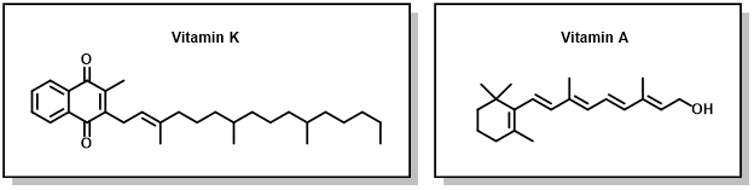
One of the most important vitamins you get from the green vegetables, especially leafy ones like kale, spinach, collards and Brussels sprouts, is vitamin K. Vitamin K is an essential component of enzymes that make proteins in bone and proteins that help clot blood after injuries.
Vitamin A is another important fat-soluble vitamin found in spinach and orange vegetables. The source of vitamin A in vegetables is actually beta carotene, which gets broken into two molecules of active vitamin A after consumption. Vitamin A is essential to vision as well as cell differentiation, reproduction, bone health and immune system function.
Absorption of micronutrients
Consuming vegetables that contain micronutrients is very important, but just as important is your body’s ability to absorb the nutrients and transport them to the cells that need them. Macronutrients like carbohydrates, fats and proteins that primarily make up the food we eat are very efficiently absorbed into your bloodstream.
However, only 3%-10% of some micronutrients actually get distributed throughout your body. Other ingredients and factors in your food can moderate whether you absorb vitamins and minerals.
Therefore, it is important to prepare vegetables in a way that can enhance the body’s ability to absorb their essential vitamins and minerals.
One good example of this is iron – specifically, the iron in the food you consume. Heme iron, which is the form necessary for incorporation into your body, comes only from animal products and is the most easily absorbed.
The plant-based iron contained in green and orange vegetables, on the other hand, is not bound to a heme, and your body can’t absorb it as readily. Consuming vitamin C alongside vegetables can increase the uptake of nonheme iron. So, a squeeze of lemon or orange juice can not only enhance the flavor of your vegetables but the micronutrients you obtain from them.
Fat-soluble vitamins, like vitamin K and vitamin A, are best absorbed when the meal contains some dietary fat, which you can get from oil. This is particularly important for vitamin K because green vegetables are its primary dietary source. This is in contrast to the other minerals and vitamins discussed that can also be obtained from animals or legumes that contain some amounts of dietary fat already.
After consumption, vitamin K must be packaged with other fats in structures called micelles or lipoproteins that can move around in the bloodstream. That means that it’s a good idea to prepare your greens with some source of fat – olive oil, avocado oil, butter or even a little bacon grease.
So, if you’re staring at the southern style collard greens on your plate and wondering whether they’re as healthy as eating a raw green leaf, think about it in terms of the biochemistry. While raw greens provide you with plenty of fiber and minerals, they won’t help your vitamin K levels as greens cooked in oil will.
Enjoy your time around the holiday table. Load up your plate with everything you like to eat, and make sure to not go completely fat-free in order to help your body process and use all the micronutrients.
Julie Pollock, Associate Professor of Chemistry, University of Richmond
This article is republished from The Conversation under a Creative Commons license. Read the original article.




















