
News
About 1 in 6 older Australians experiences elder abuse. Here are the reasons they don’t get help

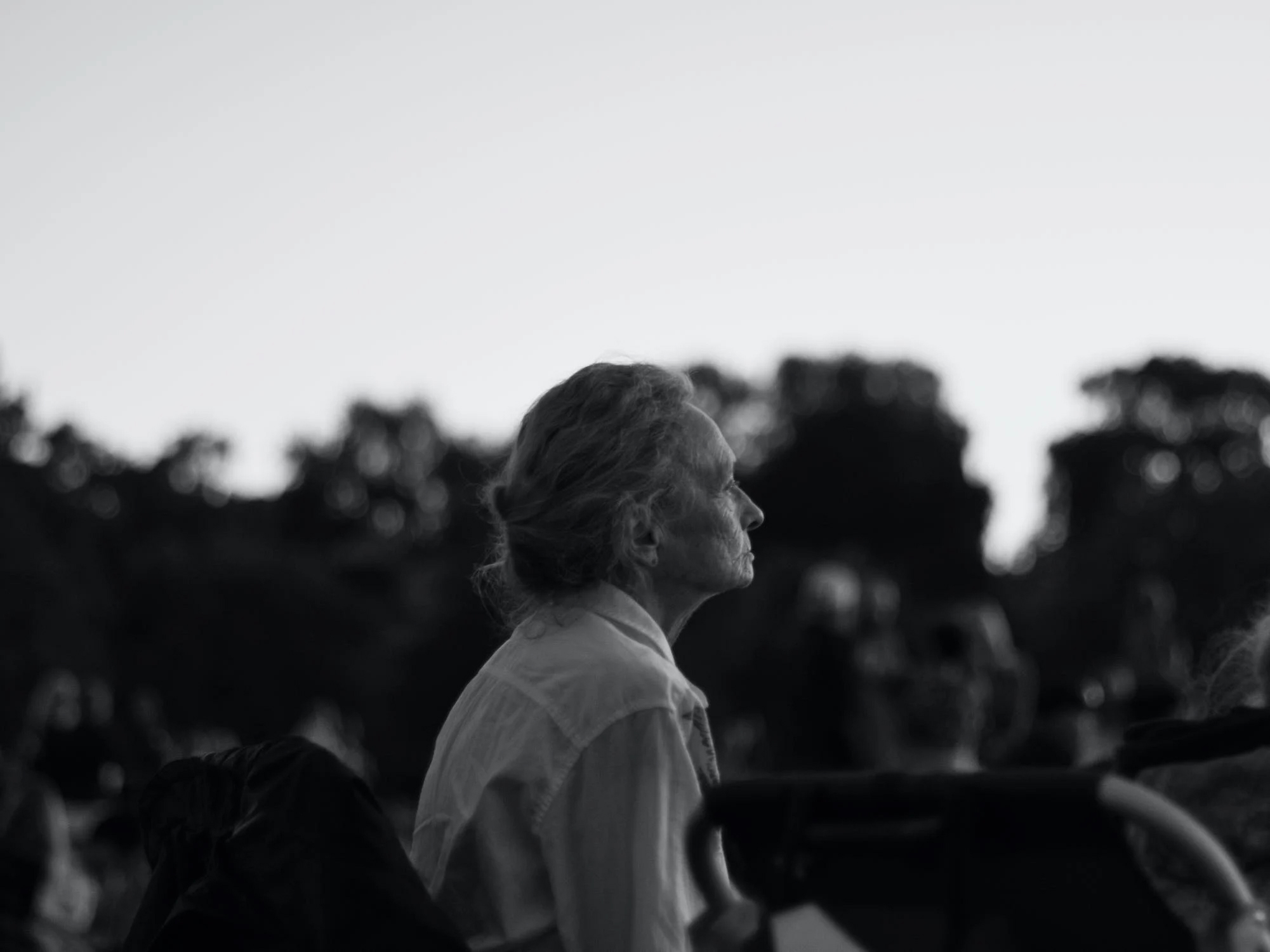
Despite elder abuse being such a common problem, older people often don’t get the help they need.
(Pexels photo)
Each year, many older Australians experience abuse, neglect or financial exploitation, usually at the hands of their adult children or other close relatives.
A recent national prevalence study revealed one in six older Australians living at home experiences elder abuse. This may encompass various forms of abuse, such as emotional, financial, social, physical and sexual abuse, or neglect.
Despite elder abuse being such a common problem, older people often don’t get the help they need. With the right responses, we can make it easier for those working with older people, and the wider community, to support them.
Our new research reveals the key reasons older people experiencing harm do not receive the support they so desperately need.
Our study included a survey of nearly 700 service providers throughout Western Australia. Respondents worked in diverse fields including healthcare, law, aged care, financial services and law enforcement. We found four key obstacles to people getting help with elder abuse.
1. Older people are too scared to report abuse.
Older people are often afraid to report abuse because they fear repercussions both for themselves and for the perpetrator, usually an adult child or other close relative.
These concerns can mean an older person endures abuse for a long time. They may only seek help when the situation escalates to an extreme level or when someone else notices the ongoing mistreatment.
Equally important, they may fear other negative outcomes of reporting abuse. They may fear having to leave their home and enter residential care. They may fear increased isolation and loneliness, or that the abuse will get worse.
All these fears combined create a formidable barrier to older people promptly reporting abuse and getting the help they need.
2. Older people don’t know where to turn for help
Elder abuse cases are often complex, involving long family histories and complicated relationships. Older people trying to improve their situation may need support from multiple service providers. The challenge of accessing the right services and acting on their advice can be daunting.
Addressing complicated matters may require intensive support and advocacy for an extended time. In the words of one experienced advocate,
People don’t need to know the next ten steps. They need to know one step, maybe two, and then see where they are at.
Helping older people feel empowered to seek help requires simple, accessible channels of assistance, promoted through multiple formats and outreach efforts.
3. Government-funded responses to family violence are more focused on intimate partner violence and child protection, leaving elder abuse out of the picture
Most programs targeting family violence prioritise intimate partner violence and child protection, inadvertently sidelining elder abuse. Services such as shelters and perpetrator programs are not always compatible with the distinct characteristics of elder abuse.
Additionally, the gendered nature of family violence responses fails to address the diverse demographics of elder abuse, which includes older men. As a result, older people, regardless of gender, may struggle to access supports suited to their needs.
A refuge manager explained:
When a bed becomes available we have this awful job of deciding who’s more high-risk and who gets the bed. If an older person needs the bed, as opposed to a single mum with a newborn, unfortunately we would go with the mum. That really presents a barrier where there isn’t refuge accommodation specifically for older people.
There is a pressing need for a shift in focus to better recognise elder abuse as a significant issue and tailor responses to meet the specific needs of older people. This includes creating safe and accessible refuge options and providing specialised support services to address the multifaceted nature of elder abuse.
4. There’s low public awareness about what elder abuse looks like or how to respond
Awareness of elder abuse remains surprisingly low, hindering effective responses. Changing this requires clear public information campaigns and community-wide conversations about abuse. This includes greater awareness of the challenge for well-meaning adult children who might limit the choices of their older relatives, thinking they know best. This can result in unintended social isolation or even neglect.
A society that speaks openly about elder abuse, without stigma, is better equipped to support victims and intervene. By building public knowledge and promoting a culture where such issues can be freely discussed, we lay the groundwork for reducing its incidence.
We are living longer lives than ever before, meaning we can expect to spend more years in older age than previous generations.
This is good news, but also means we need to do more work to support people to age well. Positive steps we can all take include tackling ageism when we see it and normalising conversations about abuse so older people can feel confident to seek help when it’s needed.
Eileen O’Brien, Professor of Law, Discipline of Law, Justice and Society, University of South Australia; Catriona Stevens, Forrest Prospect Fellow in Sociology and Anthropology, Edith Cowan University, and Loretta Virginia Baldassar, Vice Chancellor Professorial Research Fellow, School of Arts and Humanities, Edith Cowan University
This article is republished from The Conversation under a Creative Commons license. Read the original article.




















