
Canada News
In defence of Bill C-282: Canada’s supply management supports farmers while safeguarding consumers

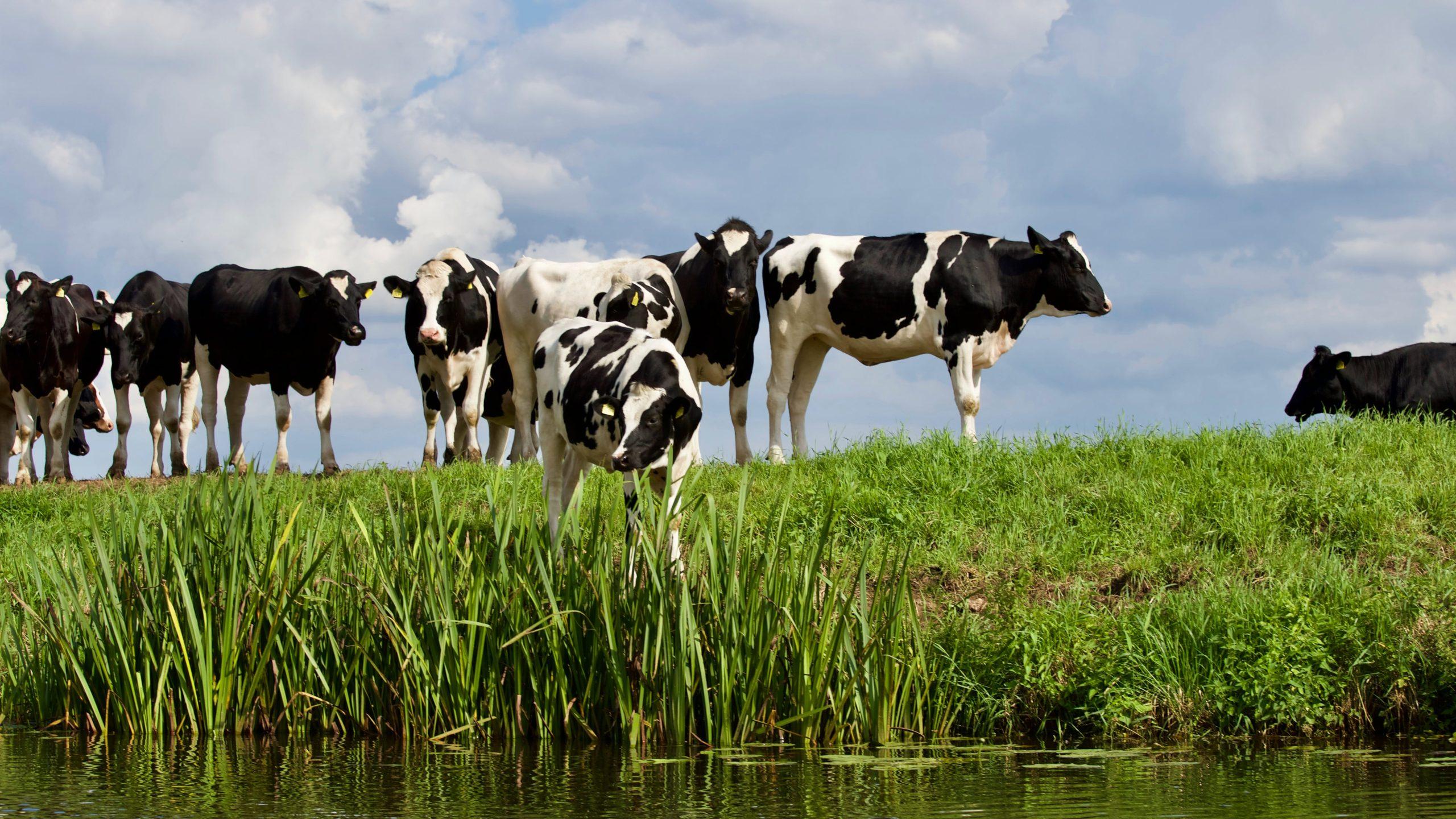
Canada’s supply management system is designed to align the production of dairy, eggs and poultry with domestic consumption through the judicious use of quotas and tariffs. (Pexels Photo)
The recent passage of Bill C-282, legislation that prevents Canadian trade negotiators from surrendering additional supply managed commodities — like eggs and dairy — in international trade negotiations, has reignited debates over Canada’s supply management system.
Canada’s supply management system is designed to align the production of dairy, eggs and poultry with domestic consumption through the judicious use of quotas and tariffs.
Critics of the bill argue it may hamstring our trade negotiators and raise food prices, claiming that Canada’s supply management system is designed to “constrain supply, strangle competition with tariffs and keep prices high” by limiting dairy, eggs and poultry imports from the United States.
However, there is no evidence to support these claims. This kind of criticism relies on outdated beliefs in the sanctity of the so-called free market and its ability to produce cheap goods.
If Canada wishes to preserve domestic farms and enhance food security, officials must have limits on what they can give up to American and other foreign interests. We argue the current supply management model works to provide competitive prices to consumers, while also providing a living wage for farmers.
The Canadian model is working
If the COVID-19 pandemic has demonstrated anything over the past several years, it’s that local food production is necessary to ensure food security. Evidence suggests that the global food system has exacerbated environmental degradation and food insecurity while consolidating power in the hands of a select few global food corporations.
It’s clear we need to invest in local, community-based food sources — something supply management is able to facilitate by the nature of its operation. The supply management model is focused on supplying food to the Canadian market, with very limited opportunity for exports.
Under this model, dairy and eggs are generally marketed in the region in which they are produced — Ontario eggs are sold in Ontario supermarkets — thereby privileging the local.
Supply management also reflects some of the concepts common to the food sovereignty movement. Food sovereignty refers to the right for people to define their own food and agriculture systems and produce healthy and culturally appropriate food using ecologically sound and sustainable practices.
Food sovereignty puts community first, prioritizing local and regional food needs. Notably, Canada’s supply management system has been recognized as an important institution of food sovereignty by the National Farmers Union because of its defense of local food production.
Canada’s supply management system also contributes to rural sustainability. Smaller dairy (an average farm size of 88 milking cows) and egg (an average farm size of 23,000 laying hens) farms provide a stability on rural concession roads that is unmatched when they are adequately supported.
Supply-managed farms outshine their counterparts in the hog, beef and oilseeds/grains sectors by making more investments, creating more jobs and contributing more to the GDP per farm.
Fairer production
Canada’s current supply management model works well for both consumers and producers. Producers reap the rewards of a system that ensures farmers are paid fair prices for their products, covering the costs of production. Meanwhile, consumers enjoy the benefits of a stable supply of eggs, safeguarding them from significant price fluctuations.
Supply management is a legitimate tool for co-ordinating production with demand and avoiding overproduction and waste — two chronic issues that have plagued the United States and Europe, despite significant price supports, subsidies, government purchase programs and import restrictions.
In today’s economic landscape, ensuring food affordability is as critical as ever. Despite worldwide inflation, Canada had the second-lowest food inflation rate in the world at 8.9 per cent over the year from June 2022. This stands in contrast to the 19.6 per cent increase in the United Kingdom and the European Union, Hungary’s 45.1 per cent and Argentina’s staggering 95 per cent.
Farmer wages
The connection between fair farmer incomes and food sustainability and sovereignty must be emphasized.
If food producers can’t make a living, they will leave the industry and cause catastrophic consequences. This is already happening in some places. In the U.K., rising production costs and lower farm prices are forcing farmers out of the industry and jeopardizing the U.K.’s self-sufficiency in the dairy sector.
In Australia, farmers are leaving dairy by the thousands because of price crashes. Meanwhile, in New Zealand, the world’s largest exporter of dairy, the livelihoods of dairy farmers remain precarious. Egg prices in New Zealand increased year-over-year by 75 per cent in June.
Even in the U.S., the story is similar. Rapidly rising input costs like fuel, insurance, feed prices and labour costs, combined with stagnant or lower milk prices, have led farmers to depart that industry.
As supermarkets, middlemen and global food corporations pay farmers less and input costs go up, this situation has been aptly called “a cost of farming crisis.”
Deregulation threatens sustainability
The recent passage of Bill C-282, and the discussion of the bill in the Senate, presents an opportunity to reflect on the importance of food systems that serve to enhance Canadian food sustainability, security and sovereignty. As the earlier international examples make clear, deregulation in dairy farming has not led to vibrant, sustainable industries, but quite the opposite.
Further proof is highlighted by food policy analysts in the U.S. who are calling on the government to reform dairy policies they argue have caused “devastating farmer loss and hardship, and a worsening environmental outlook.”
A recent Food and Water Watch report illustrates how U.S. dairy policies centred around export markets have hurt family-sized farms by slashing on-farm profits, encouraging extreme industry consolidation and increasing environmental degradation and exploitative practices of resources.
Bill C-282 attempts to protect a domestic system that rejects this model. Policymakers and all Canadians should work to support systems that allow for valuable food industries to flourish, rather than dismantle them.
Bruce Muirhead, Professor of History and Egg Farmers of Canada Chair in Public Policy, University of Waterloo and Jodey Nurse, Faculty Lecturer, McGill Institute for the Study of Canada, McGill University
This article is republished from The Conversation under a Creative Commons license. Read the original article.




















