
Canada News
Nuclear energy would be a clean win for remote and northern communities

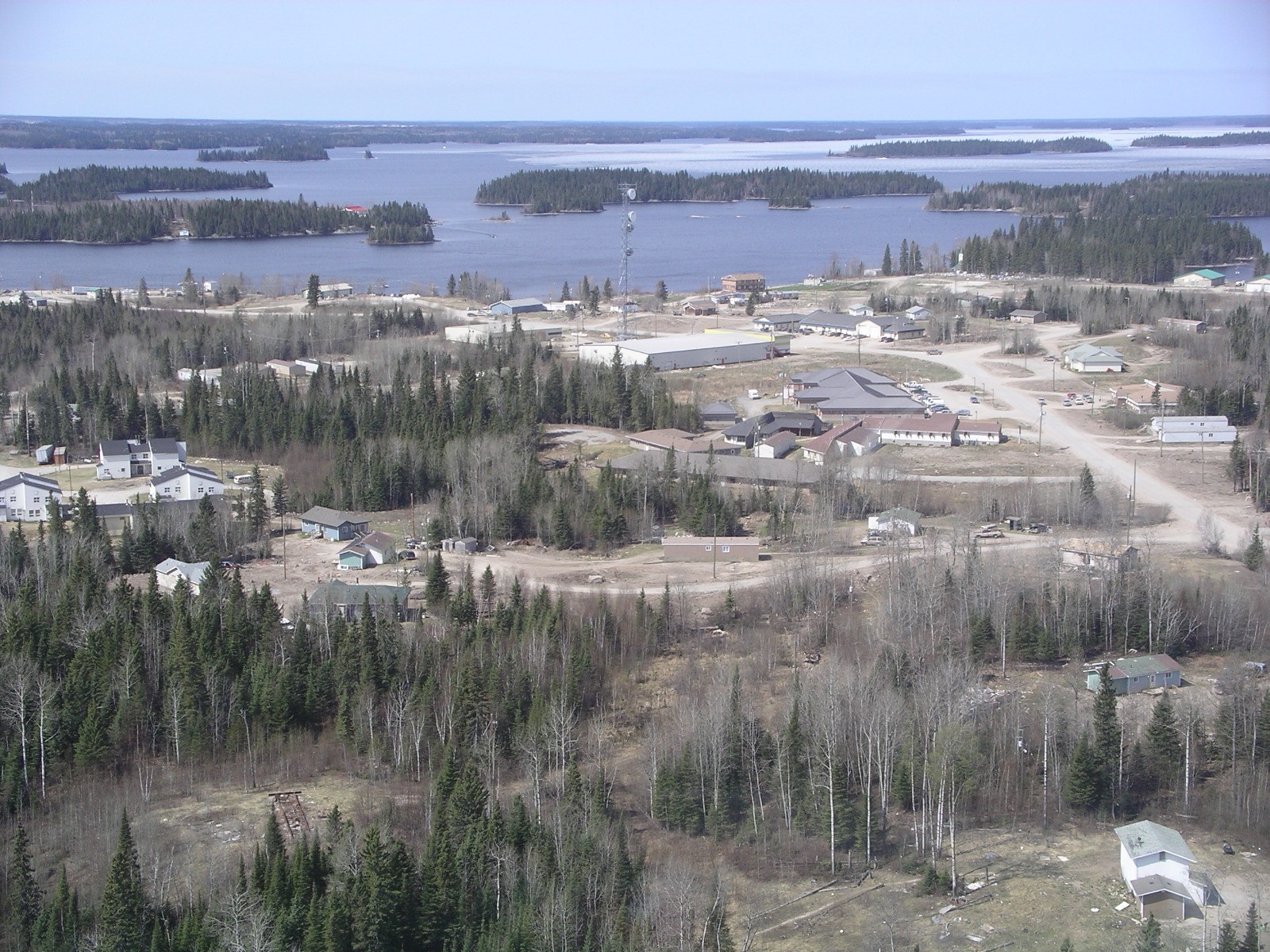
FILE: Garden Hill First Nation in the Island Lake region in northeast Manitoba. (Photo by Timkal/Wikimedia Commons, CC BY-SA 3.0)
As Canada and the world strive to reach net-zero emissions by 2050, the need to take urgent action is clear.
Record-breaking wildfires, extreme weather events and alarming temperature spikes in the Arctic and in Antarctica underline the urgency to decarbonize our energy generation to help minimize the negative effects of climate change. Yet, moving toward a more sustainable future has been a disappointingly slow process.
Greater use of nuclear power – especially small modular reactors (SMRs) and microreactors – is key for Canada, particularly for our remote and northern communities, where traditional grid options are not feasible.
That’s why it’s so welcome that the Ontario government made recent commitments to boosting the province’s nuclear energy portfolio by expanding Bruce Power’s generating capacity; building a total of four SMRs at Darlington; and refurbishing the province’s existing nuclear facilities.
The decision to move Ontario toward a more modern, carbon-neutral energy grid and to create the infrastructure that can drive electrification across all sectors will help to ensure a robust economy and our net-zero future. These forward-looking steps will help provide stable, clean, safe and reliable electricity for decades.
That’s great news for those in populated areas where electricity is readily available. But what about the nearly 300 remote and northern communities across Ontario and Canada that are not connected to the electricity grid and are suffering from energy poverty?
Many of these communities rely on dirty and limited power from diesel generators that are proven to be detrimental to human and environmental health.
These communities need to be central to the country’s national energy agenda. The addition of nuclear energy would be transformative for them.
The cost of connecting these communities by power lines to traditional centralized grids is prohibitive, measuring in the billions of dollars per community.
Microreactors – very small SMRs – offer a promising solution to address this gross disparity, and to enable remote and Indigenous communities to be partners in Canada’s clean energy future.
Microreactors can provide clean, safe and abundant energy. They can create power to help provide clean drinking water through better treatment and purification, as well as power greenhouses to grow fresh vegetables and fruit, creating greater food security. They can also produce carbon-neutral fuels such as hydrogen to drive economic growth and achieve energy independence regionally.
Microreactors are safe, compact, cost-effective and ideal for small-community deployment.
At McMaster University, we know first-hand that small reactors can be safely and productively embedded within communities. We’ve been home to one for nearly 65 years.
Our reactor is unique in Canada. It’s set in the heart of the campus in the west end of Hamilton and is an international hub for vital research, as well as a source of medical isotopes for patients in Canada and around the world.
Diesel fuel could be replaced quicker for Indigenous communities through monetization
The nuclear option has potential to reduce emissions from industrial heating
Our experts are advancing research in SMR technologies to advise our industry and government partners on design, safety and deployment. As the headquarters for Canada’s small modular advanced reactor training (SMART) program, we’re developing highly skilled professionals to be the country’s next generation of nuclear scientists, engineers and policymakers.
This past spring, we hosted a meeting of the Indigenous Advisory Council for Canada’s SMR action plan – designed to ensure a national Indigenous leadership voice on the development of SMRs in Canada. The council’s commitment to the action plan is a positive step that will help interested Indigenous communities advance clean-energy solutions and nuclear educational programs.
Together, the university, the government, Indigenous partners and remote communities can find a way to use nuclear power to create a clean-energy future that leaves no community behind and builds a sustainable path toward net-zero emissions.
This article first appeared on Policy Options and is republished here under a Creative Commons license.




















