News
Health leaders need to use their newfound popularity to fight for greener healthcare

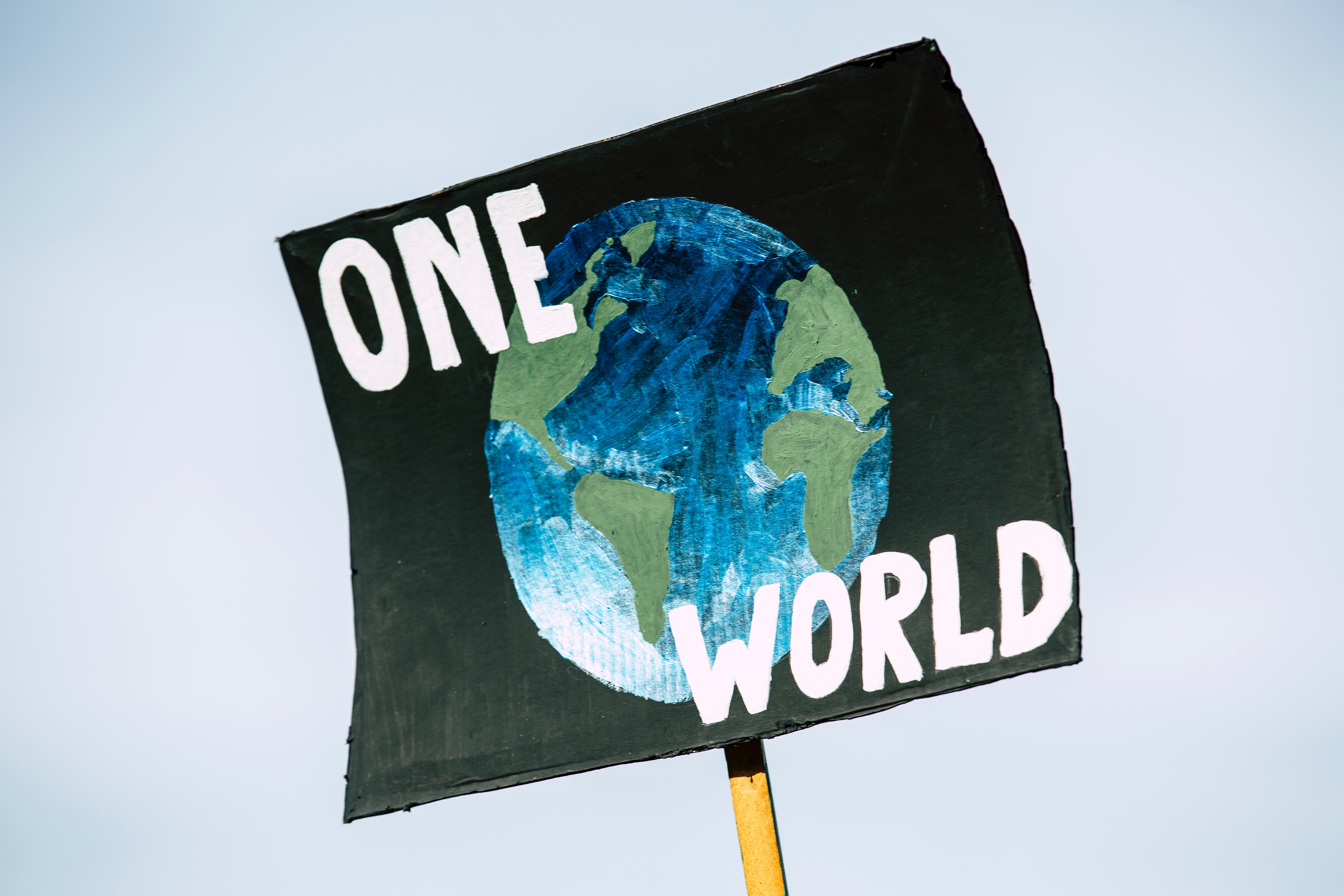
Now that we find ourselves at the centre of global efforts to tackle the virus, we need to extend our role to tackle the other great threat to our future – climate change. (Pexels photo)
Health leaders have found themselves projected onto the public stage as never before. Professor Chris Whitty, the UK government’s chief medical adviser, and Sir Patrick Vallance, its chief scientific adviser, have occupied the front pages and dominated the airwaves for months. They have become household names, better known than most ministers.
Anthony Fauci, the veteran director of the US National Institute of Allergy and Infectious Diseases, is better known today, at home and abroad, than at any time in the 36 years he has held the post. Anders Tegnell, a previously unknown Swedish physician, has found himself lifted onto the world stage defending his country’s unique approach to the pandemic as its state epidemiologist.
Their newfound fame provides an opportunity. Few people are as trusted as health and scientific leaders. As a doctor and surgeon myself, I know we are in a unique position to influence patients and staff. Now that we find ourselves at the centre of global efforts to tackle the virus, we need to extend our role to tackle the other great threat to our future – climate change.
No longer someone else’s problem
There was a time when, for many working in healthcare, the climate crisis seemed far away. Now its impact is being seen in hospital and clinic waiting rooms every day, with worsening cardiovascular disease, increased spread of infectious disease, climate-induced migration and multiple effects on mental health, especially in young people.
At next month’s virtual World Innovation Summit for Health (WISH), which I chair, a panel of international experts will argue that by making the issue of climate change clear through the lens of human health, we can achieve more for health and climate justice together than would be possible by working for either alone.
By 2050, Europe could see an additional 90,000 deaths from heatwaves, and more than a billion people worldwide will be unable to work safely outdoors during the hottest month of the year. At the same time, climate change will have put some 200 million additional people at risk of malaria, and conditions will favour the spread of dengue, Zika and other diseases.
The pandemic demonstrates why waiting for the worst to happen is not an option – because by then it will be too late. Our experience over the last six months has shown that health security can only be achieved by working together across professional, national and international boundaries.
But it has also shown how we can have a better future. While acknowledging the devastating health and financial consequences of the pandemic, the stimulus packages and recovery policies being developed around the world offer an opportunity to accelerate the creation of low-carbon societies in place of our current struggling models of economy and care.
Creating zero-carbon healthcare
A first step is to reduce healthcare’s 4.4% share of global emissions. We need “climate-smart” healthcare that simultaneously seeks to make health systems greener, more resilient and higher quality by minimising waste, building energy self-sufficiency and switching resources from curative to preventive care.
In 2020, the US healthcare company Kaiser Permanente, which has 12 million members, became the first such operator of its size to achieve carbon neutral certification. The achievement is all the more remarkable given that hospitals are the second most energy-intensive buildings in the US.
Kaiser has done it through increased use of wind and solar power, intelligent lighting, investment in carbon offset projects, and the building of new facilities that are energy and water efficient. The company has now turned its attention to reducing emissions across its entire supply chain.
The NHS has also reduced emissions by an impressive 18.5% over the last decade, at a time when clinical activity increased by 27.5%. It’s now aiming to become carbon neutral. Last January, chief executive Simon Stevens committed to setting a “practical, evidence-based and ambitious route map and date for the NHS to reach net zero”.
A key part of this has been the “Greener NHS” campaign, which called for ideas on reducing emissions, generating nearly 600 entries from across the UK. Ideas now being taken forward range from electrifying NHS vehicles to using AI to make energy use across NHS facilities more efficient, to reducing emissions from inhalers and anaesthetics.
As health leaders we have the means, the motive and the mission to protect people from the worst impacts of climate change. We can “be the change” by switching to the greenest sources of power, reducing waste, ensuring resilience plans are in place and requiring suppliers to do likewise. And we can “lead the change” by mobilising our workforce to speak up, develop innovations for climate-smart healthcare, join coalitions acting on climate change and by highlighting its positive health benefits.
Ara Darzi, Director of the Institute of Global Health Innovation, Imperial College London
This article is republished from The Conversation under a Creative Commons license. Read the original article.