Lifestyle
No festivals, no schoolies: young people are missing out on vital rites of passage during COVID

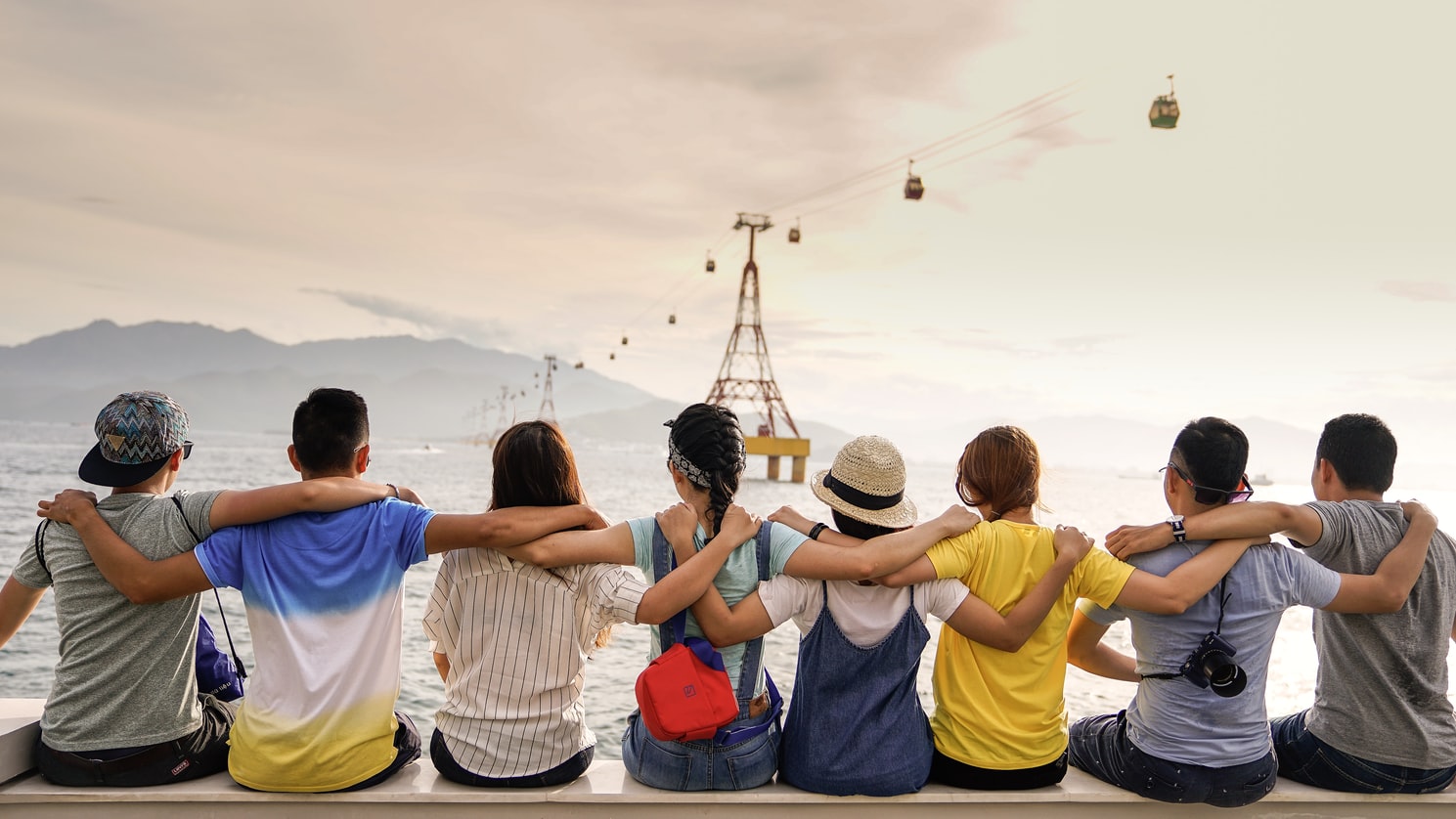
But young people aren’t just missing out on a chance to wear fancy clothes or party with their mates. Events like schoolies and formals also have a profound social purpose as rites of passage. (File Photo: Duy Pham/Unsplash)
As we approach the end of a uniquely challenging school year, the class of 2020 look set to miss out on many of the usual highlights of year 12.
Graduation ceremonies, formals, schoolies week and summer music festivals have either been cancelled or restricted.
Meanwhile, those who may have been planning a gap year overseas are not able to leave the country.
Read more:
There’s a ban on leaving Australia under COVID-19. Who can get an exemption to go overseas? And how?
So far, public discussion of these cancellations have understandably focused on the risks posed by COVID and the possible mental health impacts on young people.
But young people aren’t just missing out on a chance to wear fancy clothes or party with their mates. Events like schoolies and formals also have a profound social purpose as rites of passage.
What are rites of passage?
Rites of passage are rituals that accompany changes in social status for individuals and groups. Their importance has been recognised by social researchers for more than a century.
In ethnographer Arnold Van Gennep’s original 1909 work, which is still broadly accepted by researchers, rites of passage share three basic phases:
- a symbolic separation from normality, such as by travel or costumes
- an in-between stage, in which social norms and hierarchies are cast off and people embrace a community spirit
- a ceremonial confirmation of the new state of affairs, often with symbols like a ring or crown.
This creates a transformative experience for people. It marks a change as special, by stepping outside ordinary life.
The brief upturn in the social order also allows the community to strengthen its bonds and reaffirm its support for the broader, existing social system.
Traditional rites of passage are in decline
For young people today, ceremonies like school graduations or schoolies trips are even more important than for previous generations.
Declining rates of religious affiliation means religious coming-of-age has also declined in importance. Changing social norms also mean events like debutante balls and weddings are no longer common practice for teenagers and those in their early 20s.
Meanwhile, traditional economic markers of growing up – such as moving out of home, and starting full-time work – are also proving more elusive for young people, thanks to challenging job and housing markets.
Read more:
Six graphs that explain Australia’s recession
Schoolies, gap years are even more important
This means other cultural traditions are a critical part of how young people transition to adulthood.
Often when we talk about “muck up” days, schoolies and gap years, debates focus (not always fairly) on the risks involved with young people who are celebrating and testing boundaries.
But research has shown how schoolies and gap year travel act as rituals to mark and manage the otherwise often unremarkable transition to adulthood.
These episodes provide a meaningful break with normal life and past identity. They see young people leave their comfort zone to experience a sense of community with their peers, before moving to the next stage of life.
Similarly, music festivals, while not one-off events, can also provide these experiences. Nightclubs and parties – which have also been significantly curtailed during COVID – are also spaces to escape everyday rules and experience communal energy within the broader period of emerging adulthood.
Lasting impacts?
In addition to the impact on education – which has yet to be fully understood – there are other ways in which the class of 2020 may be roundly disadvantaged.
COVID-19 has changed so many of the cultural experiences young people use to make their way into adulthood.
So, what might be the lasting consequences for this year’s school leavers?
Missing out on rites of passage like schoolies week and festivals could mar the transition into adult society in subtle but palpable ways.
Without such cultural experiences it is harder to know when this change has really happened, to respect its significance and feel a sense of belonging in one’s new social role.
As per Van Gennep’s work, this cohort of young people is also missing chances to bond as a community and to reaffirm their commitment to the social order by temporarily disrupting it.
This is why, in the absence of formal rites of passage, people develop their own replacements, for better or worse. Recent reports of an impromptu rave inside a kebab shop show that young people will find other ways of crossing boundaries together – testing both legal and social norms.
Read more:
‘It really sucks’: how some Year 12 students in Queensland feel about 2020
On a more positive note, our ongoing research with young people about making music during COVID-19 is showing their resilience and creativity in balancing safety with social needs. Online performances are providing some missing ritual and social media also allows a level of community experience.
While we maintain our focus on community health and safety, we must recognise that what might look like frivolous or risky activities can have huge significance for young people as they move into adulthood.
This means they also have huge significance for our society more broadly.
Ben Green, Postdoctoral resident adjunct, Griffith Centre for Social and Cultural Research, Griffith University and Andy Bennett, Professor, Griffith University
This article is republished from The Conversation under a Creative Commons license. Read the original article.