
LGBTQI+ populations face unique challenges during pandemic

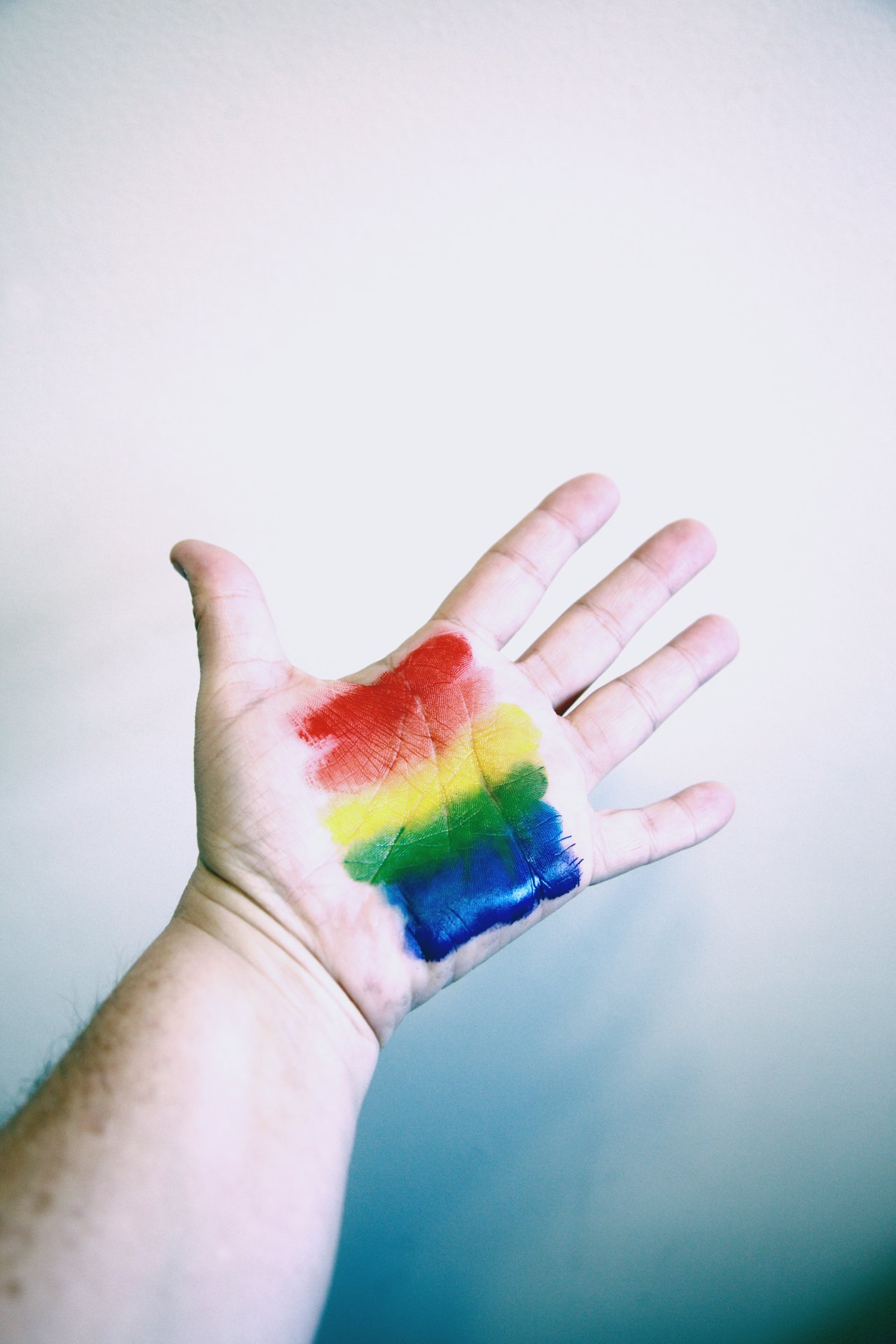
However, gender and sexual minorities are rarely included in discussions about vulnerable populations, and global responses have largely failed to consider the unique needs and challenges that LGBTQI+ (lesbian, gay, bisexual, transgender, queer, intersex) populations face. (Pexels photo)
As global leaders begin to recognize the inequalities that are being exposed as a result of COVID-19, it is important to consider who is included and who is excluded when we talk about gender. An analysis of the global conversation thus far reveals that the gender dimensions of COVID-19 and the push for gender equality during the recovery phase have largely only focused on how the pandemic has and will continue to disproportionately impact women and girls.
However, gender and sexual minorities are rarely included in discussions about vulnerable populations, and global responses have largely failed to consider the unique needs and challenges that LGBTQI+ (lesbian, gay, bisexual, transgender, queer, intersex) populations face. This disappearance of sexual and gender minorities from international discourse is significant because research has shown that LGBTQI+ people are particularly vulnerable to crises like a pandemic.
The United Nations (UN), International Labour Organization, World Bank, Doctors Without Borders and UNICEF have all put out various statements and reports on the impact of COVID-19 on gender equality, but their focus is concentrated solely on women and girls. While some organizations, such as Care International and the Pan American Health Organization, add LGBTQI+ people to their list of vulnerable groups, only a few have addressed LGBTQI+ rights head on in some of their publications: UN Women, Oxfam Canada and the United Nations Human Rights Office of the High Commissioner.
While publications by international organizations and NGOs advocate for a better understanding of the effects of COVID-19 on gender equality, the sidelining of LGBTQI+ concerns makes it more difficult for organizations to advocate for enhanced protections during the pandemic.
In order to understand the gendered-impacts of COVID-19 beyond women, we draw on findings from a case study of Venezuelan LGBTQI+ asylum seekers in Brazil, an epicentre of the pandemic. As of July 23, 2020, there have been at least 2,227,514 cases of COVID-19 in Brazil and 82,771 deaths. Our analysis of 23 interviews with Venezuelan LGBTQI+ asylum-seekers, politicians and workers in non-governmental organizations and UN staff, shows that asylum seekers are experiencing increasing violence, transphobia and xenophobia in Brazil during the pandemic.
Venezuelan LGBQTI+ asylum seekers in Brazil
Since 2015, more than 5 million people have fled violence, persecution and economic ruin in Venezuela and 264,000 people have applied for asylum in Brazil. Among them, LGBTQI+ asylum seekers are commonly directed to the only LGBTQI refugee centre in Brazil, Casa Miga. Run by volunteers and supported by a national LGBTQI+ charity, Casa Miga was already under-resourced and over-stretched prior to the pandemic. But with COVID-19, myriad inequities that disproportionately affect the physical, mental and financial well-being of LGBTQI+ people have overwhelmed the centre’s capacity and increased the risk of gender-based violence and abuse against its resident asylum seekers.
With limited local, national or international focus on the challenges faced by LGBTQI+ people as well as refugee populations, the shelter’s staff and its residents feel hopeless, ignored and disempowered in their fight against the COVID-19.
Asylum seekers at Casa Miga experienced homophobic, transphobic and xenophobic violence in Brazil prior to the onset of the pandemic. Many asylum seekers referenced experiences of discrimination while at work or while searching for employment, in public or in interactions with the police.
Asylum seekers recounted experiences of having homophobic slurs hurled at them, being assaulted by locals and being both physically harmed and dismissed by the police. One asylum seeker had a near-death experience after he was left alone in the Amazonian rainforest following a mugging by a group of men. In the most egregious example, one of the asylum seekers had his jaw broken by two police officers in Manaus. The violence faced by trans-asylum seekers is further notable. A trans asylum seeker shared that she was assaulted while working as a sex worker, and that when she reported her attack to the police, she thought the officers did not care to investigate because she was both trans and Venezuelan. Beyond this one incident, all asylum seekers interviewed claimed to have faced LGBTQI+ based violence and xenophobia while living in Brazil.
COVID-19 acted as a threat multiplier
The threat and danger of contracting COVID-19 is very real for the asylum seekers. A resident of Casa Miga was infected with the virus in May 2020. In addition, the refugee shelter is located in Manaus, the city with the highest mortality rate of any Brazilian capital city. With over 100 people dying daily in April and being buried in mass graves in Manaus, the city’s mayor, Arthur Virgílio who recently contracted COVID-19, pleaded for urgent international help. As one asylum seeker shared: “It has impacted me gravely. I am in a constant state of fear. I don’t know when this is going to end. I know people who have become sick and who have died from this. Manaus is very badly hit by the pandemic. I will continue taking the precautions and keeping my distance from people, but despite these actions, the fear continues.”
The asylum seekers face both the fear of contracting COVID-19 and false narratives propagated by fake news stories on social media claiming they are spreading the virus. These allegations caused the asylum seekers to be even more worried about their safety and less likely to leave the shelter.
The economic stability and mental health of the asylum seekers also suffered as a result of the pandemic. Those asylum seekers who had been able to find informal work such as sex work and selling crafts, were left financially destitute when their work was banned. When the pandemic began, many asylum seekers were cut off from their monthly allowances from the government. It took over a month from the time of the cut off for Brazil to institute their Auxilio Emergencial (emergency fund) but many asylum seekers were unable to benefit from it due to the documentation and resources required (such as a cell phone) for access. As one asylum seeker shared: “It is impossible to sustain a job now and I can afford nothing for myself.”
Meanwhile, the settlement process has been temporarily halted, spurred on by the closure of the main refugee determination centre in Manaus. All of these factors compound the stress around asylum seekers’ tenuous positions in Brazil. These interruptions, lack of resources and access to services such as health care, have left asylum seekers feeling desperate and in limbo.
When governments fumble, vulnerable people suffer
Despite success in handling previous public health crises, the Brazilian government was completely underprepared for COVID-19. The administration has so far failed to provide any leadership on how to tackle this pandemic, choosing to focus on the supposed economic health of the country over the well-being of its own citizens. With the administration turning a blind eye to its own citizens, asylum seekers and the centres that care for them were largely left abandoned to manage on their own.
All the politicians interviewed stated that the government does not recognize distinct vulnerable groups within the larger refugee population in their policies, or when formulating Brazil’s strategy to respond to refugee flows and COVID-19. Without financial resources from the government, international organizations, or NGOs, Casa Miga is barely operational, relying on volunteers and local, haphazard and unpredictable donations.
When international actors blend LGBTQI+ considerations into other gender-based discussions, the ability of LGBTQI+ people and organizations to appeal for support during the pandemic is greatly limited. Facing increased violence and challenges during COVID-19, LGBTQI+ asylum seekers need more protection but are often unable to advocate for themselves.
Ultimately, when asylum seekers face increased violence based on their gender identity and sexuality, the reporting and response by the international humanitarian community, including Canada’s, must include their voices and considerations.
This article is part of the The Coronavirus Pandemic: Canada’s Response special feature.
This article first appeared on Policy Options and is republished here under a Creative Commons license.




















