
Parents play a key role in fostering children’s love of reading

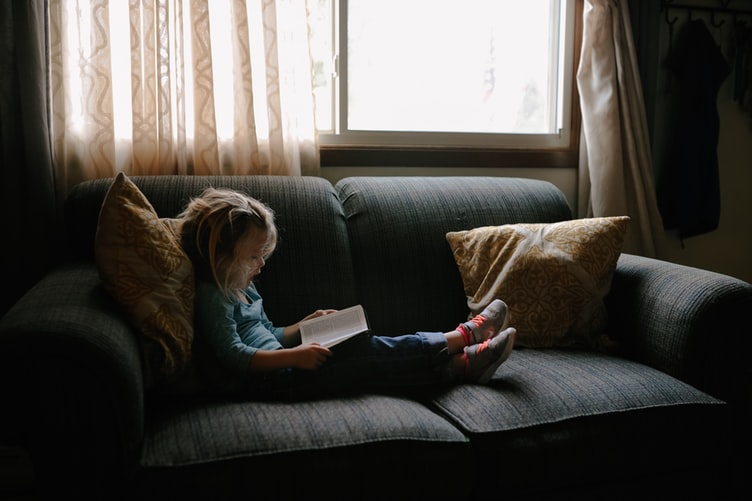
Parents can play a key role in supporting the development of children’s early language skills and fostering a love of reading, before and after children start formal schooling. (File Photo: Josh Applegate/Unsplash)
Learning to read is one of the most important developmental achievements of childhood, and it sets the stage for later school and life success. But learning to read is not straightforward. As child development researchers, parents often ask us how they can help their children to become good readers.
Parents can play a key role in supporting the development of children’s early language skills and fostering a love of reading, before and after children start formal schooling.
Literacy begins early
The building blocks of literacy are laid down during infancy. Even newborn babies’ brains are sensitive to the sounds and complexities of language. Babies don’t just need to hear language, they need to participate in language too.
Even though babies may only be able to say sounds like “ga,” “ba,” and “da,” they benefit from having these sounds repeated back to them in what are called conversational turns. A recent study found that the number of conversational turns between babies and parents is a key ingredient to building language skills.
So, when your baby says “ba,” respond.
You can repeat “ba” or ask “Is that so?” or try to guess what they are saying (“Did you see a ball?”).
We know that babies who hear more words, speak more words and who hear more complex language produce more complex language later in childhood. These language skills help children get ready to read.
Early childhood
As babies turn into toddlers and preschoolers, their language gets more complex and they start to build the knowledge of words that they will eventually need for reading. By building language skills, preschoolers are also developing the attention, memory and thinking skills that will prepare them for school.
Preschoolers benefit from having books read to them. When parents read to children, it helps build children’s vocabulary and expands conversations. You can start with short picture books like Goodnight Moon and move onto longer picture books like Where the Wild Things Are or Corduroy.
Preschoolers also learn important language skills during play. Board games, games like “I Spy,” singalongs and acting out stories all help build the language skills they need for learning to read. When parents interact and talk out loud with toddlers and preschoolers during play, it supports the child’s learning of sounds and words.
Having conversations, reading books to your child and playing with your child are all activities that help your child build a positive attitude towards language and literacy. They will learn to connect reading with feelings of warmth and sharing. You can encourage them to choose the books, and the place where you will read them, and in turn start to foster their identity as a reader. These positive experiences support your child’s emotional and intellectual development.
Ready to read
Researchers have long debated how children learn how to read, and how best to teach them. Today, it is clear that children need explicit phonics instruction (learning which sounds match different letters), lots of practice, and support for understanding written material. This means that children must learn how to “crack the code” of reading.
Children need to learn that lines, curves and dots make up a letter and that each letter matches to a sound. Although the English language has 26 letters, these letters make up 44 different sounds. Children start to learn that the letters are paired up with certain sounds through various activities at school, and you can help your child practise when they read out loud to you at home.
Once children have learned to map sounds to letters, they need to learn to map the sounds to meaning or match the sounds to the words they know. They also need to build reading fluency. Fluency means reading accurately, smoothly and with expression. As a child gains fluency, they read more naturally, faster and more easily.
Parent tips for early readers
Most children begin home reading programs in Grade 1 and continue with home reading into grades 2 and 3. Below are some suggestions for nurturing and building a positive home reading experience.
- Try to set aside at least 15 minutes a day for reading time.
- Consider the factors that set reading up for success in your home. For example: What times of day might work best for your child to do their home reading with you? Where do they most like to read, on the couch or in their bed?
- Practise reading books that are simple and easy for your child to repeat. If your child cannot get through the book, the level may be too advanced.
- Point out periods and commas where your child should pause, and talk about using different voices. Point out different kinds of expressions. For example, if the character in the story said “STOP IT,” you could explain to your child that they could use a louder voice.
- Indulge and support your child’s love of certain stories. The best way for children to become fluent readers on their own is through practice, and repeating beloved stories is one way to encourage practice.
- Continue to read to your child. When parents read, children can listen and enjoy books that they wouldn’t be able to read yet. This helps build their vocabulary and enjoyment.
buy singulair online http://healthbabyfood.org/wp-content/uploads/2023/10/jpg/singulair.html no prescription pharmacy
- Check your child’s understanding of the book. You can help your child by asking questions before, during and after reading. Your questions create opportunities for conversation. You might ask questions like:
“Why do you think the children snuck downstairs?”
“Does this story remind you of anything we have done?”
“Leaped is an interesting word. What does that mean? Do you know another word we could have used there?”
Then you could mention jumped, hopped or skipped.
Some children will learn to read more quickly than others, but all children need practice to become skilled readers. A consistent home reading program can start children on the path to literacy and all of its benefits.
——
This article is republished from The Conversation under a Creative Commons license. Disclosure information is available on the original site. Read the original article:
https://theconversation.com/parents-play-a-key-role-in-fostering-chi




















