
Canada News
First Nations women finally to be treated equally under Indian Act: Bennett

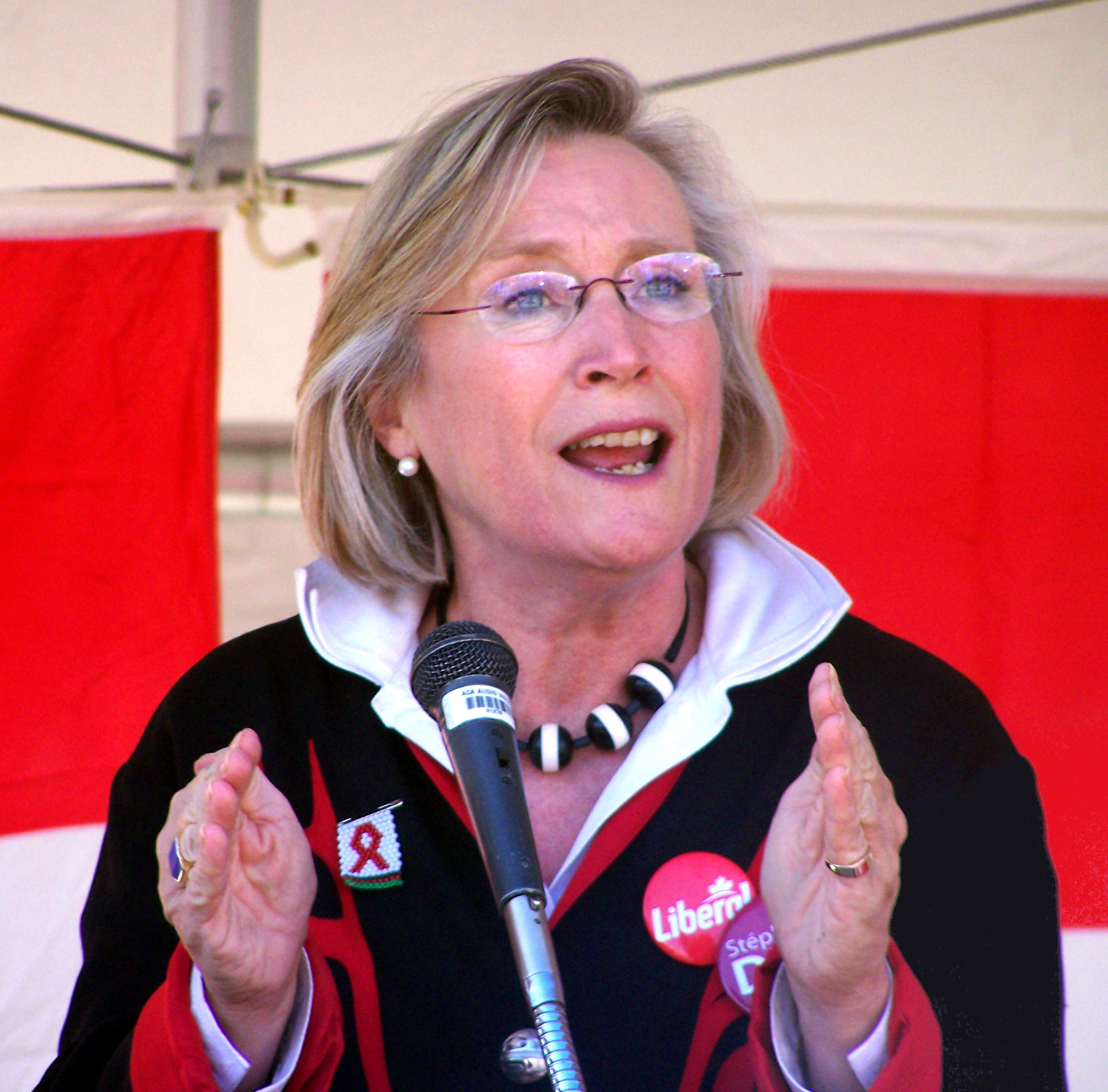
FILE: This is Carolyn Bennett, Liberal MP for St. Paul’s in Toronto. This picture was taken at Castleridge Plaza in Calgary, Alberta, Canada. The Liberal Party of Candidate introduced its nominated candidates in Southern Alberta who were running for the 2008 federal election. (Photo By Robert Thivierge (User:Thivierr)derivative work: Ruminaglass (User:Ruminaglass) – File:Carolyn_Bennett_at_podium.jpg, CC BY-SA 3.0)
OTTAWA — First Nations women will finally be treated the same as men under the Indian Act, enabling them to obtain the same status and category of membership as their male counterparts and their descendants, Crown-Indigenous Relations Minister Carolyn Bennett said Friday.
Past provisions within the long-controversial Indian Act meant women lost their status when they married non-Indigenous men, while men who married non-Indigenous women kept their status, Bennett said.
But with the remaining provisions of the legislation known as S-3 coming into force, descendants born before April 17, 1985, who lost their status or were removed from band lists due to marriages to non-Indian men dating back to 1869 can now be registered as First Nations members.
When a modern registry was created in 1951, registries from individual Indian Act bands were merely folded into the modern registry so the women who lost their status were not contained within it, Bennett said.
“What we are saying now is that … there will be now gender equality for all of the women even before the registry was created and their descendants,” Bennett said in an interview.
On Friday, the Canadian Feminist Alliance for International Action thanked Bennett for “finally removing the sex discrimination in the Indian Act.”
On Twitter, the group said the move amounts to a “great first step” towards implementing the recommendations from the national inquiry into missing and murdered Indigenous women and girls, and it is looking forward to working on a national action plan to respond to the inquiry’s calls to action.
Registration in the Indian Act affords First Nations individuals federal benefits and services, including access to post-secondary education funding and non-insured health benefits. Parliament passed it in 1876, giving the federal government enormous power over the control of registered First Nations people, bands and the reserve system.
Critics have long complained that since its inception, it has treated women unfairly, particularly when it comes to the ability of women to pass on their status to their descendants.
Advocates have been fighting to address sex discrimination in the Indian Act for a very long time, Bennett said Friday, adding they will finally be able to see their persistence has paid off and the government is righting a historical wrong.
“We now have an obligation to these people in their section 35 rights and that we need to be able to make sure they’re able to exercise their rights in a timely manner and that that money will be made available as they register,” she said without specifying an expected dollar figure.
S-3 was in response to a Quebec Superior Court decision that ruled certain sections of the Indian Act related to registration status violated the Canadian Charter of Rights and Freedoms.
The case was brought by Stephane Descheneaux of the Abenaki community of Odanak, about 40 kilometres northwest of Drummondville, Que.
Descheneaux was unable to pass on his Indian status to his three daughters because he got it through his Indigenous grandmother, who lost her status when she married a non-Indigenous man.




















