
Health
People living with HIV struggle to access much needed dental care

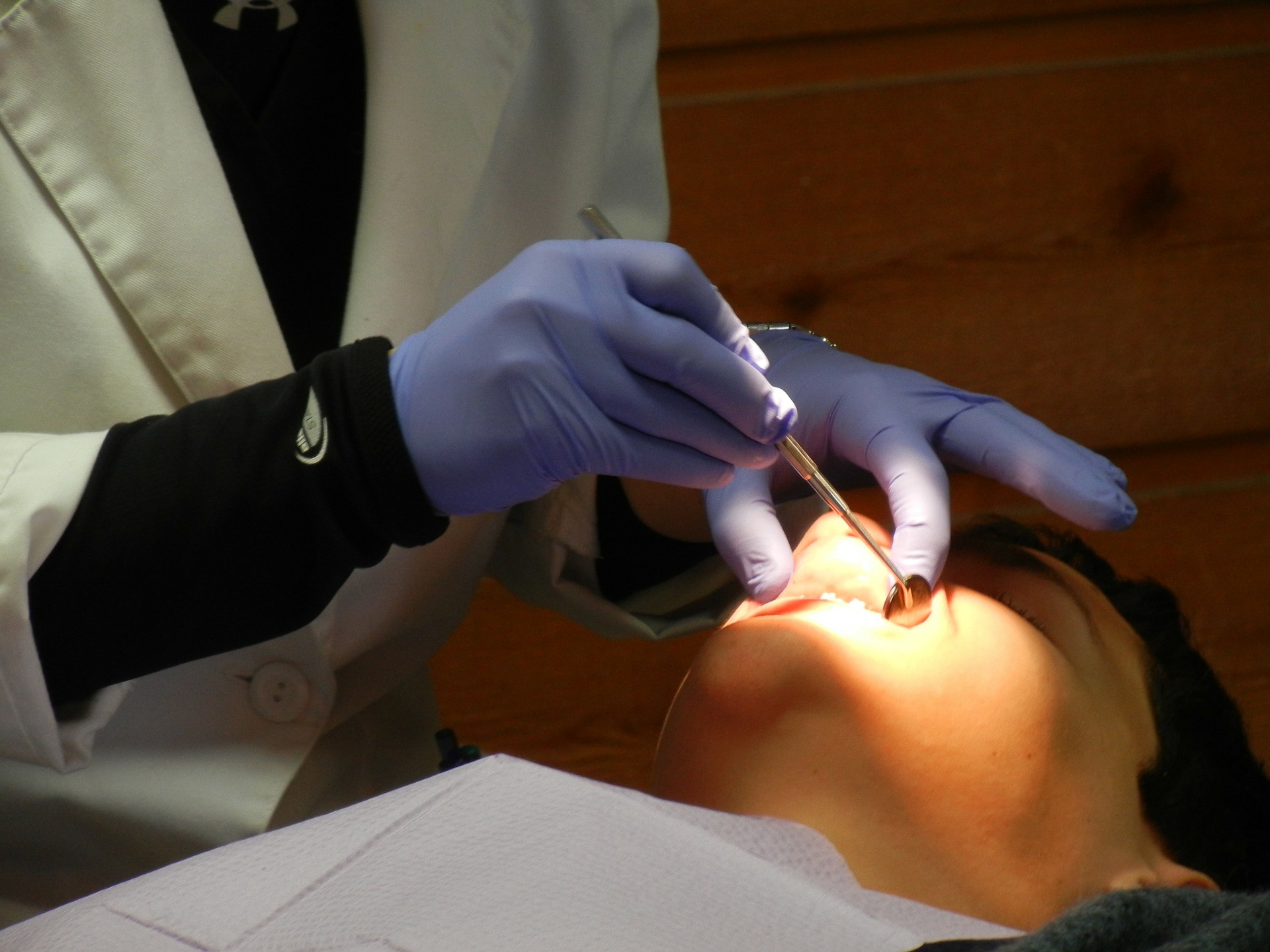
However, despite the improved outcomes offered by new drug therapies, people living with HIV still face numerous psycho-social challenges and barriers to accessing care — especially dental care services. (Pixabay Photo)
Nearly 37 million people were living with Human Immunodeficiency Virus (HIV) globally in 2017, according to the World Health Organization.
In Canada, 84,409 cases of HIV have been reported since 1985. The province of Ontario accounted for the most HIV cases reported in 2016 (37.
6 per cent), followed by Quebec (25.3 per cent) and Alberta (12 per cent). There are around 2,344 new HIV infections in Canada every year, and this number is rising.
Although there is no cure for HIV to date, the use of antiretroviral therapy (ART) has greatly reduced deaths and co-morbidities from the virus.
However, despite the improved outcomes offered by new drug therapies, people living with HIV still face numerous psycho-social challenges and barriers to accessing care — especially dental care services.
When it comes to dental care, vulnerable populations such as people living with HIV are most profoundly affected. They are at particular risk from oral lesions caused by immunosuppression resulting from uncontrolled HIV-infection. These opportunistic infections have plagued people living with HIV since the early epidemic of HIV-infection and continue to impact their overall well-being and quality of life.
The services HIV organizations offer in British Columbia
Until 2016, there was no data on the availability of oral and general health services or the unmet oral health needs of people living with HIV in Canada. I conducted a two-part study through the University of British Columbia Faculty of Dentistry in a first attempt to classify the types of services available for those living with HIV in British Columbia, Canada.
I identified a total of 104 HIV organizations within the six health authorities in the province. Of the 51 cities I examined across B.C., 40 housed one or more organizations providing HIV-related services.
The study identified the following available services:
- 59 per cent offered preventive services including sexual-health education.
- 15 per cent offered treatment services for HIV-related conditions.
- 38 per cent offered support services including social assistance.
- Three per cent offered basic dental care, mostly educational in nature.
This points to a lack of services related to social support, such as housing and food services, and lack of basic dental services.
Living with tooth decay and bleeding gums
The second part of my study was a self-reported survey to identify unmet oral health treatment needs and patterns of dental service use by people living with HIV in B.C.
More than 75 per cent of participants reported untreated dental conditions such as decay, bleeding gums and tooth sensitivity. Approximately 50 per cent of participants avoided recommended dental treatment due to cost.
The following were identified as the main factors preventing people from seeking dental care:
- 46 per cent experienced discrimination by dental professionals.
- 66 per cent experienced dental anxiety.
- 50 per cent did not have dental insurance.
- 62 per cent were experiencing difficulties with housing, transportation and food.
The need for trauma-informed care
Three quarters of the surveyed population reported having bleeding gums, tooth sensitivity and tooth decay. Significant numbers of respondents reported they had unmet dental treatment needs and felt discriminated against by dental care providers.
At minimum, this highlights the need for more training for dental care providers about how to better serve this vulnerable population. Non-dental professionals — such as physicians, nurses and nutritionists — also need to promote better oral health for HIV-positive clients. This is especially the case in remote locations where accessing a dental-care provider can be a challenge.
The data also highlights that people living with HIV are lacking supports in several areas. They may be struggling with poverty, homelessness, drug use or lack of social support and could be encountering a variety of interconnected barriers in accessing dental-care services.
Therefore, the next generation of dental professionals should receive a robust training in cultural sensitivity and trauma-informed care to make people living with HIV feel safe and welcomed in their dental offices.
Now based in Saskatchewan, I will be continuing to explore the issues of stigma and discrimination related to the unmet dental treatment needs of people living with HIV in this province.
———
This article is republished from The Conversation under a Creative Commons license. Disclosure information is available on the original site. Read the original article:
https://theconversation.com/people-living-with-hiv-struggle-to-acces




















