
Lifestyle
People are drowning at sea. Why aren’t we saving them?

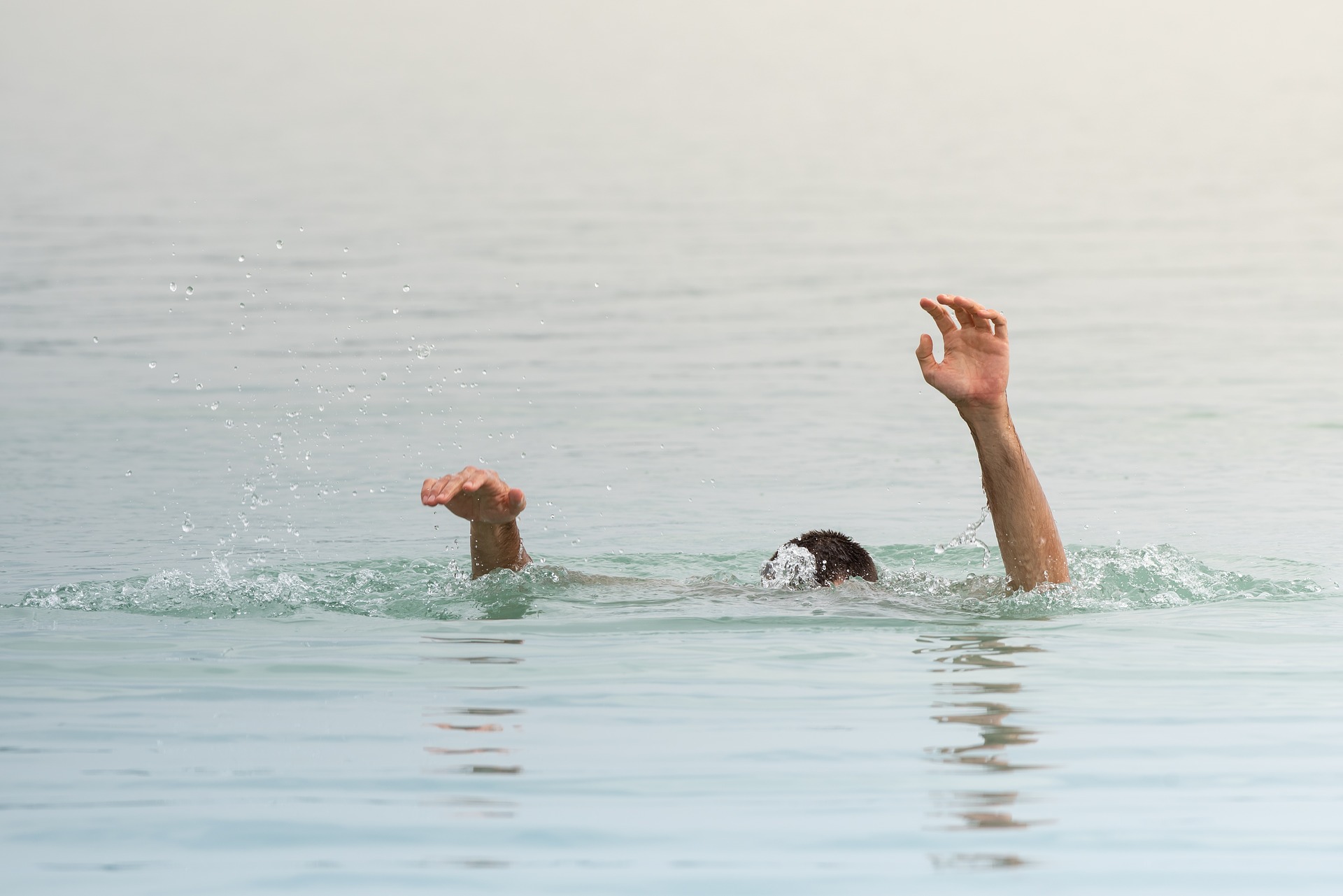
In the past three years, almost 7,000 people have drowned trying to cross the Mediterranean, and 30,000 more have been rescued at sea. (Pixabay Photo)
Eighty-three migrants drowned on July 3 when their boat sank in the Mediterranean off the coast of Tunisia. They were attempting to reach Europe in order to seek asylum.
In the past three years, almost 7,000 people have drowned trying to cross the Mediterranean, and 30,000 more have been rescued at sea.
Despite the humanitarian crisis, Italian Deputy Prime Minister Matteo Salvini has refused to allow rescue ships to dock at Italy’s ports. After more than two weeks at sea, the captain of the Sea-Watch 3 violated Italian law and forced her boat into the port of Lampedusa, a small Italian island south of Sicily. The 40 people on board had been found drifting on an inflatable raft.
The Italian government impounded Sea-Watch 3 and arrested its captain, Carola Rackete. She was subsequently released, but her arrest was part of the Italian strategy of intimidating humanitarian organizations trying to help migrants fleeing Libya.
In December 2018, a ship funded by Doctors Without Borders stopped its rescue activities after Salvini threatened to seize the boat and accused the crew of human trafficking.
By criminalizing sea rescue, Salvini has caused horrific suffering. In one single incident in January 2019, 117 migrants drowned off the coast of Libya. The three survivors watched their fellow passengers disappear into the sea, including two women who held their toddlers over their heads until they slipped beneath the waves.
An Italian patrol aircraft had spotted the distressed boat and alerted the Libyan coastguard, but no one came to help.
Currently, most migrants rescued at sea are sent to Libya, a country in the midst of a civil war. United Nations reports have documented sexual violence, forced labour, exploitation and malnutrition in migrant detention camps. Fifty-three migrants, including six children, were recently killed when the Tajoura detention centre near Tripoli was bombed.
Reminiscent of the MS St. Louis
If the story of a boat full of desperate refugees being refused entry into a safe haven sounds familiar, it may be because of the Hollywood movie Voyage of the Damned. It tells the true story of the MS St. Louis, a ship that departed from Hamburg in 1939 carrying 937 passengers, mostly Jews.
After Cuba refused to let the refugees disembark, the captain tried unsuccessfully to get permission to land in Florida. Canada also refused to allow the ship to dock. The leaders of both countries thought it would set a precedent to let the refugees in, given that restrictive Depression-era immigration policies still had popular support. The Jews were returned to Europe and 254 of them were killed in the Holocaust.
After the war there emerged a moral consensus that this was wrong, and countries promised to do better. Given this history, how could anyone defend a policy of letting refugees drown at sea?
According to a report by the non-profit organization More in Common, 42 per cent of Italians believe that it’s dangerous to let refugees into Italy because they are a major security threat. Fifty-seven per cent think that the overall impact of immigration has been negative.
Many experts think they are wrong.
The political philosopher Arash Abizadeh argues that any evaluation of the costs and benefits of migration must take into account the interests of everyone who is affected – newcomers and old-timers alike. Supporters of Salvini, however, think Italy can exclude anyone for any reason.
The assumption is that countries are families, and they are not required to take in outsiders in need.
International law, however, rejects this view. The 1951 United Nations Convention Relating to the Status of Refugees has 145 state signatories, including Canada and Italy. It states that a refugee is any person who is outside the country of his nationality and is unable or unwilling to return, due to a well-founded fear of persecution based on protected grounds.
Entitled to a fair asylum process
A person claiming this status is entitled to a fair process for determining whether they satisfy the relevant criteria, and if so, whether the signatory state has a duty to provide asylum. Even if applicants do not meet the criteria for asylum, the principle of non-refoulement requires that they not be returned to a place where their lives are at threat. The practice of intercepting people at sea and returning them to Libya violates both of these principles.
The 1951 convention has its origins in the Second World War. Millions of people were displaced and many more, including the six million victims of the Holocaust, died because they had nowhere to go. The vast majority of Italians (72 per cent) endorse the right to asylum in principle. What then accounts for the support for politicians like Salvini who have made opposition to asylum a defining principle?
Part of the answer is that Italy feels that other European countries are not doing their fair share. Because Sicily lies in close proximity to North Africa, the impact of migration flows is particularly concentrated.
Some opponents of rescue at sea claim that it ultimately does more harm than good. The logic goes like this: crossing the Mediterranean in small dinghies is inherently dangerous, and smugglers put migrants in rickety boats because they expect the passengers to be rescued and brought to Europe.
If migrants think they will drown, they will stop trying to cross.
This argument is not particularly convincing. The proportion of deaths is less than two per cent and a small increase is unlikely to deter desperate people.
This utilitarian logic is also not one that we typically apply to other issues. If we executed a few speeders, other drivers might follow the speed limit and traffic fatalities might decrease, but no one thinks that’s justified.
What can be done? In February, Canada welcomed 150 people freed from slavery in Libya and announced plans to resettle 600 more over two years.
We can, and must, do more.
———
This article is republished from The Conversation under a Creative Commons license. Disclosure information is available on the original site. Read the original article:
https://theconversation.com/people-are-drowning-at-sea-why-arent-we-




















