
Canada News
Flood victims in Grand Forks, B.C., in limbo more than one year after disaster

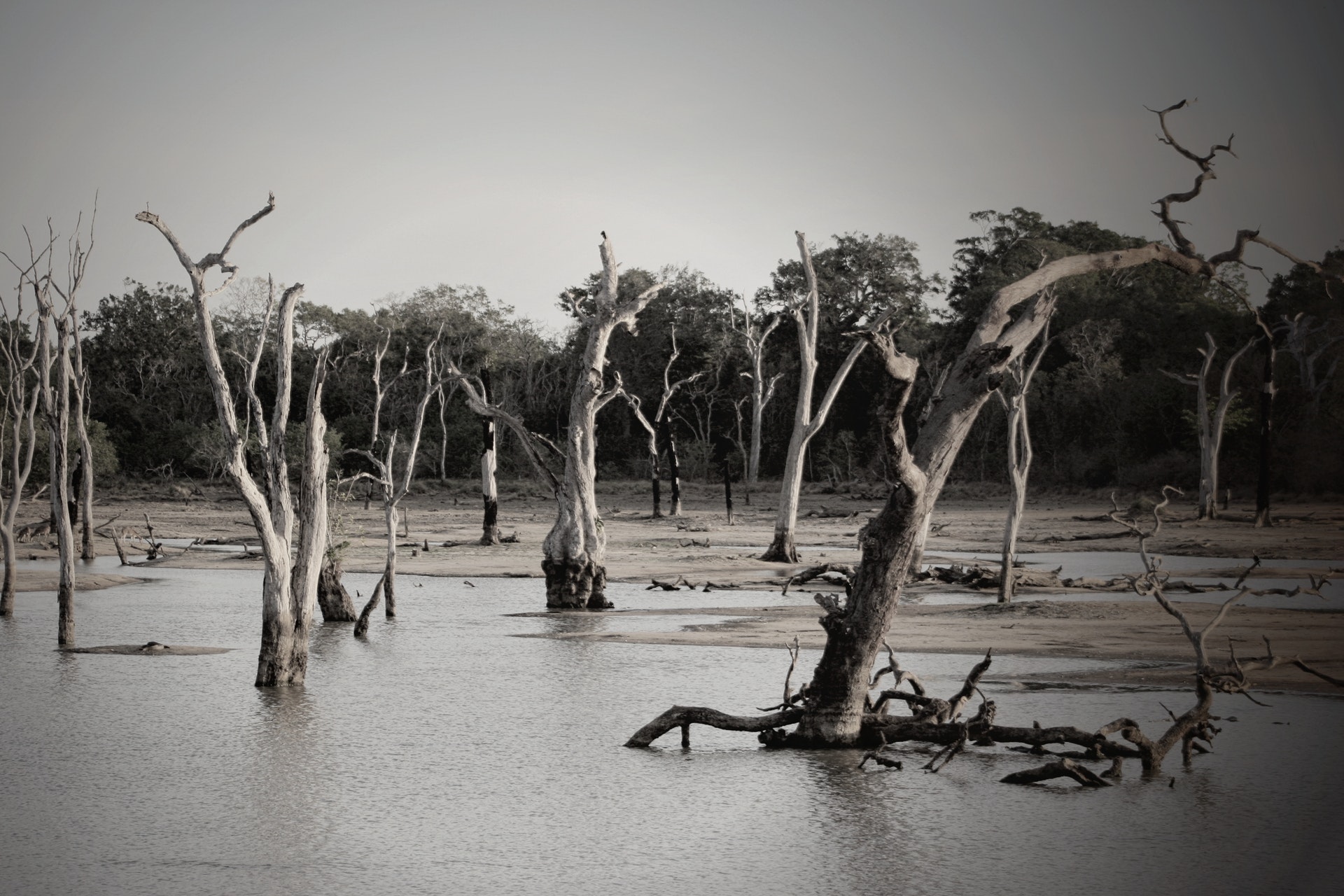
It’s the first community of its size in B.C. to experience flooding on this scale in decades and has become the test site for recovery efforts that could be duplicated in other places given the extreme weather brought on by climate change. (Pexels Photo)
More than one year after rescuers swam from home to home in a low-income neighbourhood devastated by flooding in Grand Forks, B.C., some residents say they were rattled to learn the property buyouts they’ve been waiting for will be based on post-disaster values.
It’s one of several steps in the community’s recovery process that could be replicated elsewhere as climate change brings more extreme weather.
Dave Soroka, a 65-year-old musician who lives on the flood plain, says it’s the latest bad news in what has been a difficult year.
“We all understood that was possible but with the optimism that was being thrown at us, that line ‘We’ve got your backs,’ it all sounded good,” he said.
Soroka and his wife own two properties in North Ruckle that were assessed before the flood at a combined $270,000 and after at $150,000. They are pensioners who had paid off their mortgages but may now go into debt to buy a new home.
They have organized a neighbourhood meeting to discuss options but Soroka said he can’t afford a lawyer on his own.
“We’re not rich people down here on the flood plain, we’re low-income folk,” he said.
Recovery efforts in Grand Forks have been somewhat slow moving, in part because the situation is unprecedented. It’s the first community of its size in B.C. to experience flooding on this scale in decades and has become the test site for recovery efforts that could be duplicated in other places given the extreme weather brought on by climate change.
“This is the first circumstance like this that the province had dealt with in recent history,” said Dave Peterson, assistant deputy minister for B.C.’s office of recovery, planning and disaster risk reduction.
With that background, it makes sense that the top question on a city webpage dedicated to frequently asked questions about the recovery plan is: “Why don’t you know what you’re doing?”
Grand Forks Mayor Brian Taylor said part of the community has been thrown into a “panic” over the news.
Joint funding for “disaster mitigation and adaptation” was announced on June 26, with about $20 million coming from Ottawa, $29 million from B.C., and $3 million from the city.
The money will support the purchase of properties to restore the North Ruckle neighbourhood to a natural flood plain, the reinforcement of about 1,300 metres of river bank and the construction of a new retention pond.
The city estimates the project will make the homes of more than 800 residents safer during spring thaws and reduce the number of residents who go without essential services during flooding by almost half.
The buyouts won’t be based on property damage but instead on whether a home is on the land needed for structural and flood mitigation work.
About 100 properties are affected and offers will be made on a case by case basis.
The city advocated for pre-flood buyouts, but the best it could get from the provincial and federal funding streams was based on post-flood, the mayor said.
“It’s really difficult for me to rationalize why the federal and provincial governments have taken this decision when you know that there are some examples in Manitoba, I think, and Quebec where the post-flood value was not used and they used a pre-flood value,” Taylor said.
Infrastructure Canada, which provided Ottawa’s portion of funding, said in a statement that it’s not involved in determining the values.
It did not answer questions in time for deadline about why communities in other provinces have received funding based on pre-disaster evaluations.
Federal help for disaster relief kicks in once costs surpass what lower levels of government could reasonably be expected to cover on their own.
Public Safety Canada said in May that provinces and territories have asked for about $137.9 million to help cover costs related to 10 floods.
Peterson said the province followed Ottawa’s lead when it determined funding support for buyouts would be based on pre-flood values, but added that focusing on property assessments doesn’t tell the whole story.
Creating equitable support for residents is complicated when some were insured and received disaster relief funding and others didn’t, some also already invested in property improvements after the flood.
Housing is also only one piece of the recovery strategy that involves fortifying the city and landscape against future extreme events. The escalating consequences of natural disasters is “new ground” for all levels of government, Peterson said.
“It’s difficult enough to find what’s the right answer at the community level on how to move forward, and that is much more true when you move to each individuals’ case,” he said.
Graham Watt, the city’s flood recovery manager, said he reached out to other jurisdictions to learn how they’ve dealt with disasters since there’s little institutional memory in B.C.
New Brunswick flood victims were eligible for a payout based on pre-flood property value assessments.
In Alberta, Calgary offered voluntary buyouts while High River focused on land reclamation to build dikes and other infrastructure, he said.
“We’ve got to do a lot more in all the jurisdictions within the province to look at how housing recovery fits into a disaster framework,” Watt said.
“I feel like we’re not prepared from a policy perspective to fully deal with this, we’re still a work in progress. I’m hoping we can learn from our experience and others across Canada to improve it in the future.”
Although the city of about 4,000 is limited by a small tax base, council has asked staff to come up with creative ways to offer “in kind” support to those in need, Taylor said, adding that North Ruckle is one of its poorest neighbourhoods.
“It’s us trying to find ways of using city resources and power — we don’t have a lot — to do something about the people who are most dramatically affected by the loss,” Taylor said.
Case workers have been assigned to each home and those residents are the city’s top priority before it moves to build dikes or other recovery efforts, he added.
“The anxiety level is only going to decrease once we sit down and deal with those people on a case by case basis,” he said.




















