
News
4 countries vote in high stakes European Parliament election

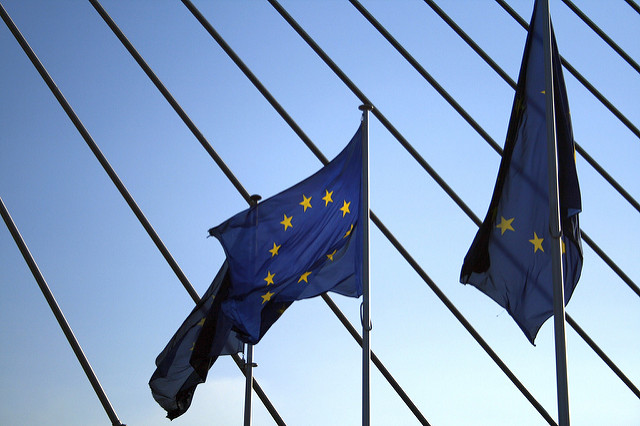
The stakes for the European Union are especially high in this year’s vote, which is taking place in all of the EU’s 28 nations on different days from Thursday to Sunday. (File Photo by Jean-Etienne Minh-Duy Poirrier/Flickr, CC BY-SA 2.0)
PRAGUE, Czech Republic — Voters in the Czech Republic, Slovakia, Malta and Latvia cast ballots Saturday in the European Parliament elections in which resurgent nationalists are challenging traditional parties that want closer ties among EU countries.
The stakes for the European Union are especially high in this year’s vote, which is taking place in all of the EU’s 28 nations on different days from Thursday to Sunday. Voters are electing 751 lawmakers, with each nation apportioned a number of seats based on its population.
Anti-immigrant and far-right groups are hoping to gain ground in the European Parliament and use it to claw back power from the EU for their national governments. Moderate parties, on the other hand, want to cement closer ties among countries in the EU, which was created in the wake of World War II to prevent renewed conflict.
“We stand at a crossroads — that is, whether the EU is going to be stronger and more integrated or, quite the contrary, a process of its weakening is to begin,” Zuzana Caputova, Slovakia’s president-elect, told reporters after voting in the town of Pezinok.
A Slovak far-right party that openly admires the country’s wartime Nazi puppet state could win seats in the European Parliament for the first time. Its members use Nazi salutes, blame the Roma minority for crime, consider NATO a terror group and want the country to leave the western military alliance and the EU.
Polls in Slovakia favour the leftist Smer-Social Democracy party, the senior member of Slovakia’s current coalition government, to win the most votes. But the polls also suggest that the far-right People’s Party Our Slovakia will win seats in the European legislature for the first time.
In neighbouring Czech Republic, a centrist party led by populist Prime Minister Andrej Babis expected to win the most votes, despite the fact that Babis is facing fraud charges involving the use of EU funds. Babis wants his country to remain in the bloc but is calling for EU reforms.
Meanwhile the Czech Republic’s most ardent anti-EU group, the Freedom and Direct Democracy party, is predicted to capture its first seats in the EU legislature.
Britain, Ireland and the Netherlands have already voted this week, and the rest of the EU nations will vote Sunday. Official results will only be released Sunday night after all polls close.
The legislature affects Europeans’ daily lives in many ways: cutting smartphone roaming charges, imposing safety and health rules for industries ranging from chemicals and energy to autos and food, supporting farming and protecting the environment.
Voting in the Netherlands may have already produced a surprise. An Ipsos exit poll forecast a win for the Dutch Labor Party, and predicted that pro-European parties would win most of the Netherlands’ seats instead of right-wing populist opponents.
Overall, the European Parliament’s traditional political powerhouses are expected to come out with the most votes. But the centre-right European People’s Party and the centre-left Socialists & Democrats look set to lose some clout and face their strongest challenge yet from an array of populist, nationalist and far-right parties.
Those parties hope to emulate what President Donald Trump did in the 2016 U.S. election and what Brexiteers achieved in the U.K.: to disrupt what they see as an out-of-touch elite and gain power by warning about migrants massing at Europe’s borders ready to rob the continent of its jobs and culture.
The traditional parties warn that this strategy is worryingly reminiscent of pre-war tensions, and argue that unity is the best buffer against the challenges posed by a world in which China, the U.S. and Russia are all flexing their economic and military prowess.
———
Raf Casert in Brussels and Angela Charlton in Paris contributed.




















