
News
Exit polling indicates Peruvians vote to fight corruption

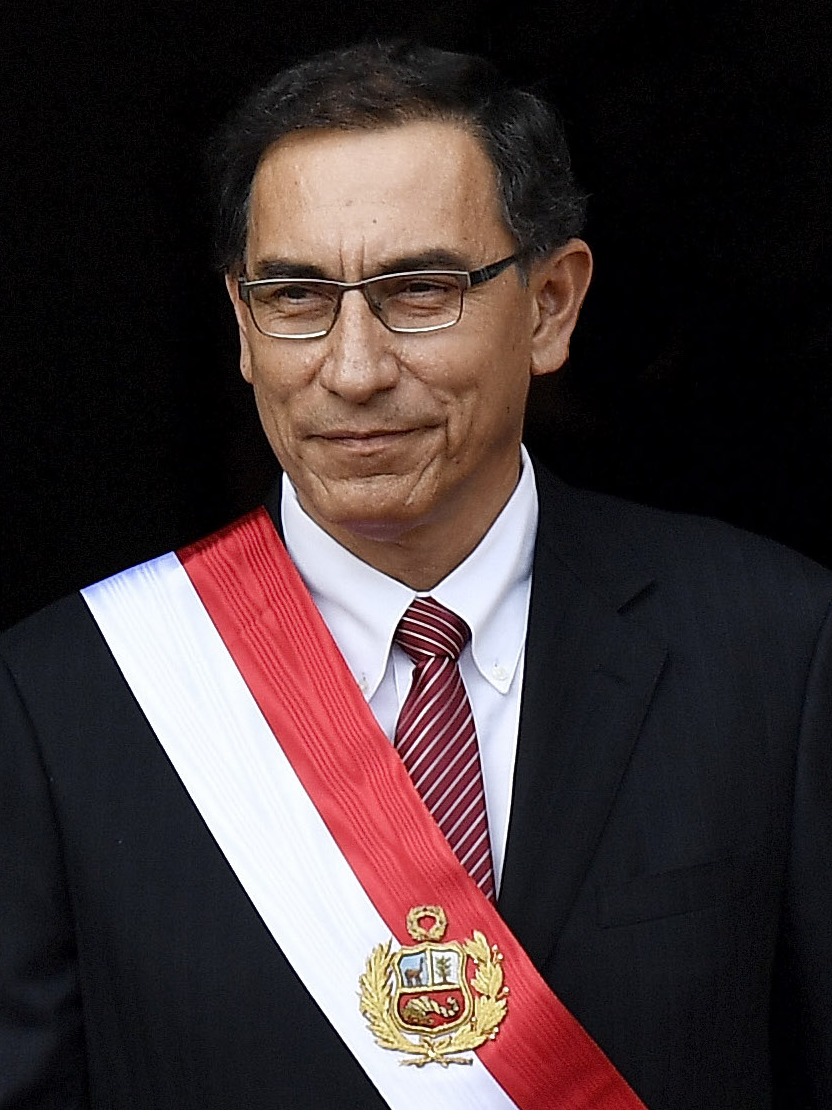
“The referendum does not change everything,” President Martin Vizcarra said. “But it is the beginning of a change that we are looking for in Peru.” (File Photo By Galería del Ministerio de Relaciones Exteriores/Wikimedia commons, CC BY 2.0)
LIMA, Peru — Peruvian voters agreed to take on corruption Sunday, according to exit polls, as the South American nation struggles to end a scourge that has landed lawmakers, judges and even former presidents behind bars.
Voters overwhelmingly approved three of four questions on a referendum ballot that included measures to prohibit legislators from immediate re-election, create stricter campaign finance rules and reform a scandal-tainted council responsible for selecting judges, according to exit poll results from the firm Ipsos Peru.
Official vote results were not expected before early Monday.
“The referendum does not change everything,” President Martin Vizcarra said. “But it is the beginning of a change that we are looking for in Peru.”
Analysts caution that the referendum isn’t an end-all fix to reverse decades of deeply entrenched political misconduct.
“What this referendum is potentially giving the government and maybe even the political system is a little breathing room — a little burst of confidence and public trust that it can potentially use to get up and running,” said Steve Levitsky, a Harvard University political scientist.
In recent years Peru has been jolted by the Odebrecht corruption scandal that is toppling the careers of some of Latin America’s highest-ranking politicians. The Brazilian construction company has admitted to paying $800 million to officials throughout the region in exchange for lucrative public works contracts.
In Peru, the scandal has tainted the careers of nearly every former living president, with four ex-heads of state under investigation for ties to Odebrecht.
President Pedro Pablo Kuczynski resigned in March after opposition lawmakers revealed previously undisclosed ties between Odebrecht and his private consulting firm. Prosecutors are also investigating former leader Alan Garcia after revelations that bribes were made during the construction of Lima’s subway under his tenure.
Former Presidents Ollanta Humala, who was briefly jailed, and Alejandro Toledo are being probed for allegedly receiving illegal payments.
Meanwhile, former first daughter Keiko Fujimori, the nation’s top opposition leader and a two-time presidential candidate, is behind bars as she is investigated for allegedly laundering Odebrecht money for her 2011 campaign.
Those probes along with a series of leaked wiretaps showing judges and lawyers making backroom deals on matters as grave as the sentence for a man accused of raping a young girl have unleashed the fury of a Peruvian public fed up with corruption.
A recent survey by Latinobarometro, a respected regional polling firm, found that just 8 per cent of Peruvians trust the legislature, the lowest in the region.
“The entire system is rotten,” said Gerardo Polo, who works at an import company and was eager to cast his ballot Sunday. While he conceded that the proposed measures won’t guarantee future abuses, he said, “It is a scream of rage.”
Vizcarra has succeeded in channeling public outrage since taking on the nation’s most powerful job after Kuczynski’s resignation and the referendum is considered a critical step in his bid to consolidate power. He pushed the vote as an essential step to “end the plague of corruption.”
According to the exit polling, three of the four measures passed resoundingly, with the only one failing that Vizcarra himself no longer backed.
The first question calls for the public to choose members of a judicial council that selects judges, a measure some believe could improve accountability.
The second item would make it illegal for political parties to receive money from unknown contributors or anyone with a criminal background.
The third would prohibit immediate re-election, a move unlikely to illicit major changes since relatively few lawmakers serve back-to-back terms.
The final question, which appeared to have failed, asked voters if they favoured creating a bicameral congress instead of the current one-body legislature dominated by Keiko Fujimori’s party. Changes by opposition lawmakers weakening Vizcarra’s executive authority caused it to lose support.
Observers like attorney Jose Ugaz, who led a probe into former strongman Alberto Fujimori’s corrupt spy chief over a decade ago, said the true test will come after the referendum, when Vizcarra will need to work to ensure the changes are fully implemented while pursuing deeper reforms over the long term.
“Peru’s problems won’t be solved just with a referendum,” he said.
LIMA, Peru — Peruvian voters agreed to take on corruption Sunday, according to exit polls, as the South American nation struggles to end a scourge that has landed lawmakers, judges and even former presidents behind bars.
Voters overwhelmingly approved three of four questions on a referendum ballot that included measures to prohibit legislators from immediate re-election, create stricter campaign finance rules and reform a scandal-tainted council responsible for selecting judges, according to exit poll results from the firm Ipsos Peru.
Official vote results were not expected before early Monday.
“The referendum does not change everything,” President Martin Vizcarra said. “But it is the beginning of a change that we are looking for in Peru.”
Analysts caution that the referendum isn’t an end-all fix to reverse decades of deeply entrenched political misconduct.
“What this referendum is potentially giving the government and maybe even the political system is a little breathing room — a little burst of confidence and public trust that it can potentially use to get up and running,” said Steve Levitsky, a Harvard University political scientist.
In recent years Peru has been jolted by the Odebrecht corruption scandal that is toppling the careers of some of Latin America’s highest-ranking politicians. The Brazilian construction company has admitted to paying $800 million to officials throughout the region in exchange for lucrative public works contracts.
In Peru, the scandal has tainted the careers of nearly every former living president, with four ex-heads of state under investigation for ties to Odebrecht.
President Pedro Pablo Kuczynski resigned in March after opposition lawmakers revealed previously undisclosed ties between Odebrecht and his private consulting firm. Prosecutors are also investigating former leader Alan Garcia after revelations that bribes were made during the construction of Lima’s subway under his tenure.
Former Presidents Ollanta Humala, who was briefly jailed, and Alejandro Toledo are being probed for allegedly receiving illegal payments.
Meanwhile, former first daughter Keiko Fujimori, the nation’s top opposition leader and a two-time presidential candidate, is behind bars as she is investigated for allegedly laundering Odebrecht money for her 2011 campaign.
Those probes along with a series of leaked wiretaps showing judges and lawyers making backroom deals on matters as grave as the sentence for a man accused of raping a young girl have unleashed the fury of a Peruvian public fed up with corruption.
A recent survey by Latinobarometro, a respected regional polling firm, found that just 8 per cent of Peruvians trust the legislature, the lowest in the region.
“The entire system is rotten,” said Gerardo Polo, who works at an import company and was eager to cast his ballot Sunday. While he conceded that the proposed measures won’t guarantee future abuses, he said, “It is a scream of rage.”
Vizcarra has succeeded in channeling public outrage since taking on the nation’s most powerful job after Kuczynski’s resignation and the referendum is considered a critical step in his bid to consolidate power. He pushed the vote as an essential step to “end the plague of corruption.”
According to the exit polling, three of the four measures passed resoundingly, with the only one failing that Vizcarra himself no longer backed.
The first question calls for the public to choose members of a judicial council that selects judges, a measure some believe could improve accountability.
The second item would make it illegal for political parties to receive money from unknown contributors or anyone with a criminal background.
The third would prohibit immediate re-election, a move unlikely to illicit major changes since relatively few lawmakers serve back-to-back terms.
The final question, which appeared to have failed, asked voters if they favoured creating a bicameral congress instead of the current one-body legislature dominated by Keiko Fujimori’s party. Changes by opposition lawmakers weakening Vizcarra’s executive authority caused it to lose support.
Observers like attorney Jose Ugaz, who led a probe into former strongman Alberto Fujimori’s corrupt spy chief over a decade ago, said the true test will come after the referendum, when Vizcarra will need to work to ensure the changes are fully implemented while pursuing deeper reforms over the long term.
“Peru’s problems won’t be solved just with a referendum,” he said.




















