
Canada News
Romaine lettuce ‘particularly susceptible’ to E. coli outbreaks

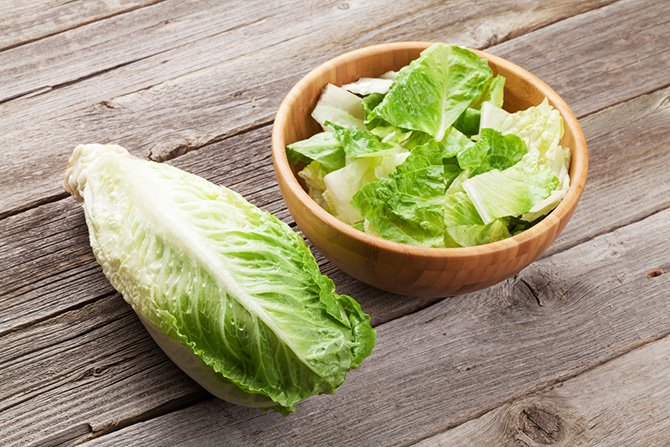
On Tuesday, U.S. health officials issued an unusually broad warning against all types of romaine lettuce amid an E. coli outbreak. They asked restaurants and grocers to stop selling it, people to stop eating it and everyone to throw it all out. (File Photo: @FDAFood/Twitter)
Grocery stores have pulled romaine lettuce off their shelves and many restaurants have stopped serving caesar salads after the leafy green has been linked to an E. coli outbreak for the third time in about a year.
The lettuce is more susceptible to E. coli contamination partly because of how it’s grown, experts say, and its increasingly tarnished image could shake consumer confidence into not buying the salad green even after non-contaminated produce appears on store shelves and restaurant tables again.
“Romaine lettuce is particularly susceptible,” said Keith Warriner, a University of Guelph professor. “In our own research, what we found is that E. coli likes romaine lettuce out of all the other lettuces we have.”
There have been 19 confirmed cases of E. coli illness investigated in Ontario, Quebec and New Brunswick as of Wednesday, the Public Health Agency of Canada said in a public health notice. The sick range from five to 93 years old and most reported eating romaine lettuce before experiencing symptoms.
People living in those provinces should avoid eating romaine lettuce for now, the agency said.
In the states, the U.S. Centers for Disease Control and Prevention ordered retailers and restaurants to stop selling the product. The strain infected 32 people across 11 states as of Tuesday, according to the agency’s most recent update.
Warriner conducted a study that showed romaine lettuce extracts prompted E. coli out of a dormant state, which it can remain in for about a year in soil, and allowed it to flourish.
Romaine’s increased susceptibility comes down to several factors, he said.
The crop is mostly grown in Arizona and California, Warriner said, which is also cattle country. Irrigation water used on romaine fields can become tainted with bacteria from the animals. It doesn’t help that both states are quite hot and romaine lettuce already requires an abundance of water, he said.
Certainly, other crops like spinach and kale are also grown in those areas under similar conditions, however those leaves are “tough as nails,” he said and can better withstand damage.
The centralized production also means if an outbreak occurs, it becomes widespread as the product is sent all over Canada and the U.S., he said.
Finally, washing lettuce at home doesn’t do anything, said Warriner, and “more likely re-contaminates than de-contaminates it.” Not to mention, the product is consumed raw, meaning cooking can’t kill off any bacteria.
Recalls cause a lot of mistrust in consumer confidence in the food chain, said Katy Jones, chief marketing officer at North Carolina-based FoodLogiQ. The company offers technology that helps companies in the food industry track their supply chain and respond to recalls effectively.
Some consumers complained on Twitter about consistently being told to throw out pricey packages of products containing romaine. Others said they’ve long since stopped buying the lettuce variety.
It’s reminiscent of a 2006 E. coli outbreak linked to spinach, Jones said. In the U.S., 199 people were infected and three died, according to the CDC. Canada had at least one confirmed case.
Some have speculated that incident led consumers to shun spinach in favour of kale, she said. The so-called superfood saw a meteoric rise with kale-devoted cookbooks containing recipes of chips and caesar salads made with kale bringing the food into the mainstream.
But consumers tend to continue buying from companies that handle such recalls well, Jones said, meaning honestly and responsibly.
“As opposed to some of these other types of recalls that we see where they drag on for weeks,” she said. “That’s what’s going to increase consumer confidence is if companies get ahead of the curve.”




















