
Canada News
LeBlanc not expecting resistance from premiers on internal trade barriers

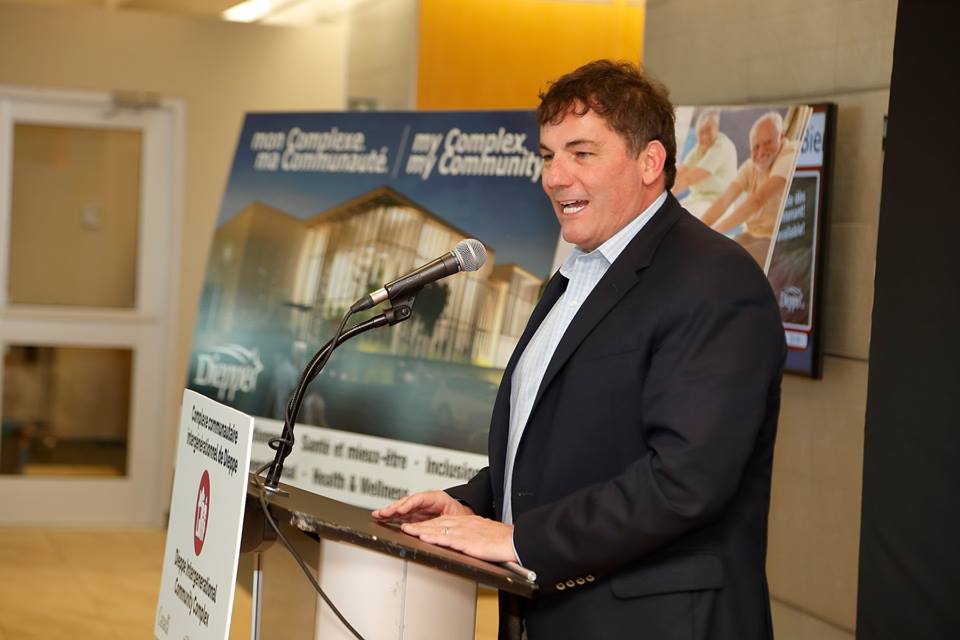
LeBlanc, appointed to the intergovernmental post just last month, says he’s talked to a number of premiers about identifying and reducing internal trade barriers and, based on those conversations, he’s not anticipating much resistance on the issue, despite the country’s long history of intractable internal trade disputes. (File Photo: Dominic LeBlanc/Facebook)
OTTAWA — Intergovernmental Affairs Minister Dominic LeBlanc acknowledges the federal government has the constitutional power to knock down some trade barriers between provinces — but he doesn’t think it will be needed.
LeBlanc, appointed to the intergovernmental post just last month, says he’s talked to a number of premiers about identifying and reducing internal trade barriers and, based on those conversations, he’s not anticipating much resistance on the issue, despite the country’s long history of intractable internal trade disputes.
In his mandate letter to LeBlanc, released this week, Prime Minister Justin Trudeau instructed him to “collaborate with provinces and territories to eliminate barriers to trade between each other, and work toward a stronger, more integrated Canadian economy.” This work, the letter said, is to be carried out “with a full exercising of federal jurisdiction as outlined by section 91(2) of the Constitution Act, 1867” — which gives the federal government exclusive jurisdiction over the regulation of trade and commerce.
LeBlanc was also mandated to help organize a first ministers’ meeting on internal trade, expected to be held in late October.
In an interview Wednesday, LeBlanc would only say that the federal government intends to work collaboratively with the provinces. But while he steered clear of threatening to use Ottawa’s constitutional power, he acknowledged that the option is there.
“I really believe, based on the conversations I’ve had so far, there is an opportunity collaboratively to make significant progress in the next couple of months, so I’m focused on that,” he said. “But I also recognize that the government of Canada has some jurisdiction in this area, but we’re not starting with that argument.”
LeBlanc said the government is starting with a “conversation” with the provinces and territories, adhering to the belief that the Canadian economy benefits if all levels of government work together.
“Let’s see what progress we make at the first ministers meeting in October,” said LeBlanc, adding that Trudeau wants a significant portion of the agenda devoted to interprovincial trade.
LeBlanc said some premiers have told him they want to be partners. But he also wants them to know that the federal government wants to move fast on the file.
Emmett Macfarlane, a political science professor at the University of Waterloo, said federal governments have not, in the past, been aggressive in trying to eliminate internal trade barriers through legislation.
What has taken place, he said, are attempts at intergovernmental negotiation to reduce barriers, with little progress made.
“So it will be interesting to see if the federal government can make some legal headway on this front. Whether they will be successful will depend on the nature of the barriers they attack.”
Macfarlane raised the case of Gerard Comeau, a man from New Brunswick who was fined $292 for bringing into his province 14 cases of beer and three bottles of spirits from Quebec. The Supreme court of Canada upheld New Brunswick’s right to impose trade restrictions aimed at protecting their citizens’ health, safety, and environment.
“As we saw in the ‘free the beer’ case this past year, the Supreme Court has been excessively deferential to provincial domain in some areas, and that case wasn’t even directly about the division of powers but was about a separate provision of the Constitution.”
However, LeBlanc warned against extrapolating that case to every other sector of the economy.




















