Health
Addiction to digital media linked to psychiatric problems in teens

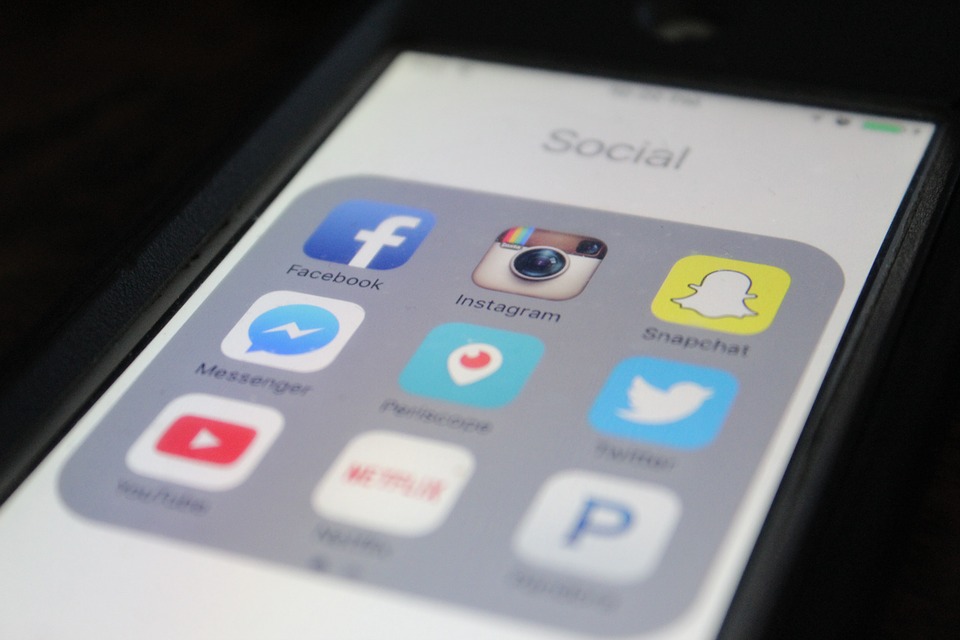
The researchers examined the mental consequences of a new generation of digital diversions, including social media, streaming video, text messaging, music downloads and online chatrooms, rather than mere use of TV or video games in previous research. (Pixabay photo)
WASHINGTON — A study published on Tuesday in the Journal of the American Medical Association showed that children addicted to digital devices were more likely become prone to psychiatric problems.
Teens who are heavy users of digital devices are twice as likely as infrequent users to show symptoms of attention-deficit/hyperactivity disorder (ADHD), according to the study.
The links are stable as researchers tracked nearly 2,600 teenagers in two years.
ADHD is described as a brain disorder with symptoms that include a pattern of inattention, hyperactive behavior and impulsiveness that interferes with functioning or development.
The researchers examined the mental consequences of a new generation of digital diversions, including social media, streaming video, text messaging, music downloads and online chatrooms, rather than mere use of TV or video games in previous research.
“New, mobile technologies can provide fast, high-intensity stimulation accessible all day, which has increased digital media exposure far beyond what’s been studied before,” said Adam Leventhal, professor of preventive medicine and psychology at University of Southern California.
A recent survey by non-profit Common Sense Media showed teens spent over one-third of their day, nearly nine hours, using online media.
A separate survey published last month by the United States Centers for Disease Control and Prevention showed that 43 percent of high school students used digital media three or more hours per day.
In the new study, the researchers began with 4,100 eligible students, ages 15 and 16 years, across 10 public highs schools in Los Angeles County.
The researchers focused on teens because adolescence marked a moment for ADHD onset and unfettered access to digital media, according to Leventhal, the corresponding author of the study.
Researchers pared them down to 2,587 participants by removing students for preexisting ADHD symptoms and asked students how frequently they used 14 popular digital media platforms.
They sorted media use frequency into three categories: no use; medium use and high use.
Then, the scientists monitored the students every six months between 2014 and 2016. They sought to determine if digital media use in 10th grade, or 15- or 16-year old, was associated with ADHD symptoms tracked through 12th grade.
In the end, they found 9.5 percent of the 114 children who used half the digital media platforms frequently and 10.
5 percent of the 51 kids who used all 14 platforms frequently showed new ADHD symptoms.
By contrast, 4.6 percent of the 495 students who were not frequent users of any digital activity showed ADHD symptoms, approximate to background rates of the disorder in the general population.
“We can’t confirm causation from the study, but this was a statistically significant association,” Leventhal said. “We can say with confidence that teens who were exposed to higher levels of digital media were significantly more likely to develop ADHD symptoms in the future.”