News
New Zealand to kill 150,000 cows to end bacterial disease

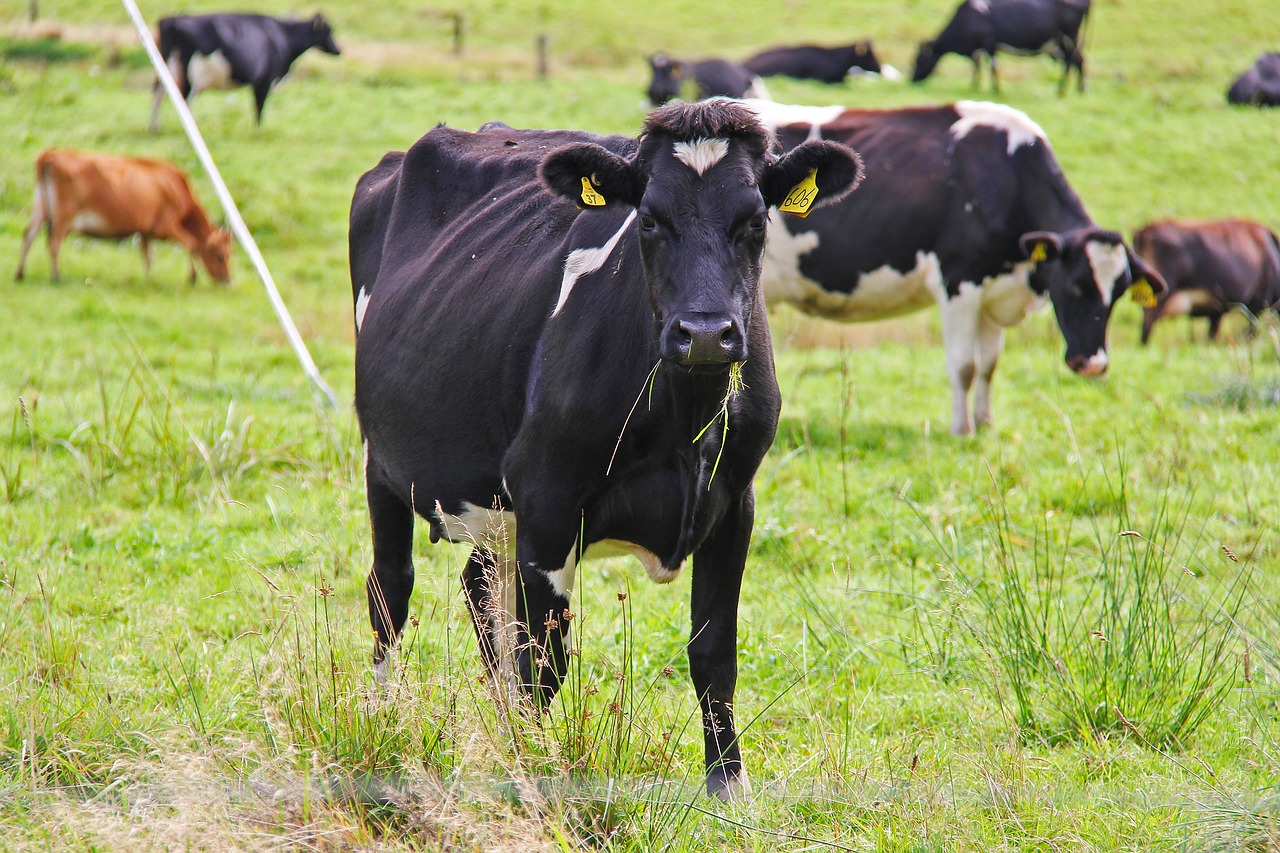
Farming is vital to the economy in New Zealand, whose isolation has helped protect it from some diseases which affect herds elsewhere. (Pixabay photo)
WELLINGTON, New Zealand — New Zealand plans to slaughter about 150,000 cows as it tries to eradicate a strain of disease-causing bacteria from the national herd.
Politicians and industry leaders announced the ambitious plan on Monday.
They say it will cost hundreds of millions of dollars, and, if successful, would be the first time an infected country has eliminated Mycoplasma bovis.
Farming is vital to the economy in New Zealand, whose isolation has helped protect it from some diseases which affect herds elsewhere.
Last July, Mycoplasma bovis was found in the country for the first time. Found in Europe and the U.S., the bacteria can cause cows to develop mastitis, pneumonia, arthritis and other diseases. They are not considered a threat to food safety, but do cause production losses on farms.
Officials say they plan to kill all cows on any farms where the bacteria are found, even if some of the animals are healthy. They say many of the cows will be slaughtered at processing plants and used for beef, but some cows will have to be killed and buried on the farms or dumped in approved landfills.
Officials have the legal authority to forcibly enter farms and kill animals even in cases where a farmer might resist, but they said they hope they don’t have to use those powers.
Katie Milne, the national president of the advocacy group Federated Farmers, said it was important to try to get rid of Mycoplasma bovis while there was still a chance. She said they would try to make sure affected farmers had all the support they needed, including adequate compensation.
“This is a tough time, and the pain and anguish they’re going to go through is really hideous,” she said of the affected farmers. “And we have to support them as neighbours, community members, farmers, friends.”
New Zealand is home to some 10 million cows, about double its human population. About two-thirds are dairy cows and the rest beef cattle.
Milk products represent the country’s largest single export, and much of it is sold to China and used in infant formula.
Mycoplasma bovis has so far been found on 38 farms throughout New Zealand, officials say, a number they expect to rise to at least 142 farms based on computer modeling. They say all the infections found so far can be traced back to a single farm, and that the bacteria likely arrived in New Zealand 18 months before they were first identified.
Officials are still trying to figure out the bacteria got into the country despite strict biosecurity controls.
About 24,000 cows have already been killed in recent months and at least 128,000 more will have to be culled, most over the next year or two. The cost of the eradication program is estimated at 886 million New Zealand dollars ($616 million) over ten years. The government plans to pick up about two-thirds of the tab while farmers and the cattle industry will pay the rest.
Prime Minister Jacinda Ardern said she believes it’s still possible to eradicate Mycoplasma bovis.
“We don’t know, in the long-term, what impact it could collectively have on an industry that is incredibly important to New Zealand’s economy,” she said. “So if we have an opportunity to be the country that eradicates this disease, then we’ll take it.”
Officials say they expect to know by the end of the year whether the eradication plan is working.