
Human Interest
Experts warn against baiting, harassing wildlife for Instagram worthy photos

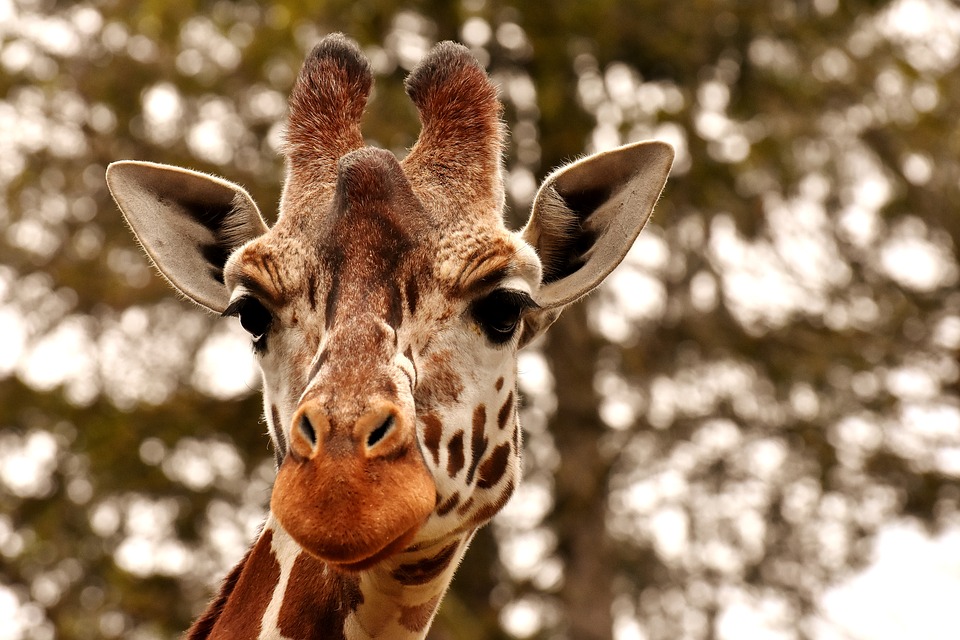
Parks Ontario ecologist David Legros says there has been a spike in the number of people trampling through sensitive habitat, blocking roads, laying down food or chasing wild animals in the quest for a photo — and he believes social media platforms such as Instagram are partly to blame. (Pixabay photo)
MONTREAL — While some wildlife photographers dream of that perfect shot of a majestic moose or a swooping snowy owl, some observers say more and more people are stooping to unethical practices to get a great photo.
Parks Ontario ecologist David Legros says there has been a spike in the number of people trampling through sensitive habitat, blocking roads, laying down food or chasing wild animals in the quest for a photo — and he believes social media platforms such as Instagram are partly to blame.
“I think a lot of it is driven by increases in the accessibility of digital photography, and social media, because everyone is showing their pictures and everyone else wants to get great pictures too,” Legros said in a phone interview.
In a blog post published in April, Parks Ontario highlighted some instances of recent bad behaviour, including chasing moose, cutting down tree branches for a better view or smearing peanut butter on trees to attract pine martens.
The most common problem, Legros said, is “baiting” animals with food, which makes it easier to get a photo but can cause them to become aggressive toward humans or spend more time around roads where they’re more likely to be struck and killed.
He added that bad guests are in the minority and most people behave with respect.
The issue also crops up among professional wildlife photographers, where the pressure to get great images can be intense.
In April, London’s Natural History Museum disqualified one of the winning entries in its Wildlife Photographer of the Year contest after concluding it was “highly likely” the anteater in the shot was a taxidermy specimen.
The museum said in a press release that five independent scientists all reached the same conclusion, which photographer Marcio Cabral strongly denied.
Canadian Geographic says it is “very much aware” of the problem, and tries to filter out photographers who bait their subjects, or try to pass off captive animals from zoos or game farms as wild.
“We do not publish images where it is obvious that such methods were used, and in instances where we have any suspicion this may be the case, we check with the photographer,” editor-in-chief Aaron Kylie said in an email.
In Canada, intense debate has erupted over the practice of owl baiting, which usually entails using live mice to lure birds of prey.
Laura Kaye, an amateur photographer and bird watcher, remembers driving to a spot near Montreal about two years ago in the hopes of spotting a rare great grey owl.
But when she arrived, she was puzzled to see the wild animal swooping down and landing right in front of a large pack of photographers.
“Then I realized they had a cooler that was full of mice, and they threw a mouse onto the snow, and I realized they were feeding the owl with mice,” she said.
Kaye said she was troubled by the idea that the owl’s natural behaviour was being altered.
“Rather than going out hunting, it’s staying in one spot, getting used to humans, and later down the road that could get the owl in danger,” said Kaye, who has since started the Instagram account and hashtag #ethicalowlphotos to highlight the work of photographers who don’t use such practices.
But even Kaye admits the subject is a controversial one and that photographers and scientists are divided over whether baiting actually does any harm.
Calgary-based nature photographer Robert Berdan says he doesn’t bait, simply to avoid the criticism, but doesn’t judge those who do so.
“I have found no scientific evidence that feeding the animals harms them, and I have consulted owl and wildlife experts,” he said in an email.
Kerri Martin, a Calgary-based photographer who is doing a master’s in ethical wildlife photography, says the issue of ethics in photography goes far beyond baiting or snapping shots at zoos or game farms.
Many behaviours can cause stress, including getting too close or causing a bird to fly away and drop a meal, she said in a phone interview.
And while she doesn’t personally like baiting or game farm photography, she says she doesn’t necessary judge those who use them, as long as the photographers disclose how the photo was obtained and the animal’s welfare is considered above all.
“No picture is worth harming or causing stress to an animal, but that balance is hard to achieve,” she said.




















