Breaking
Amnesty warns Myanmar over treatment of Rohingya

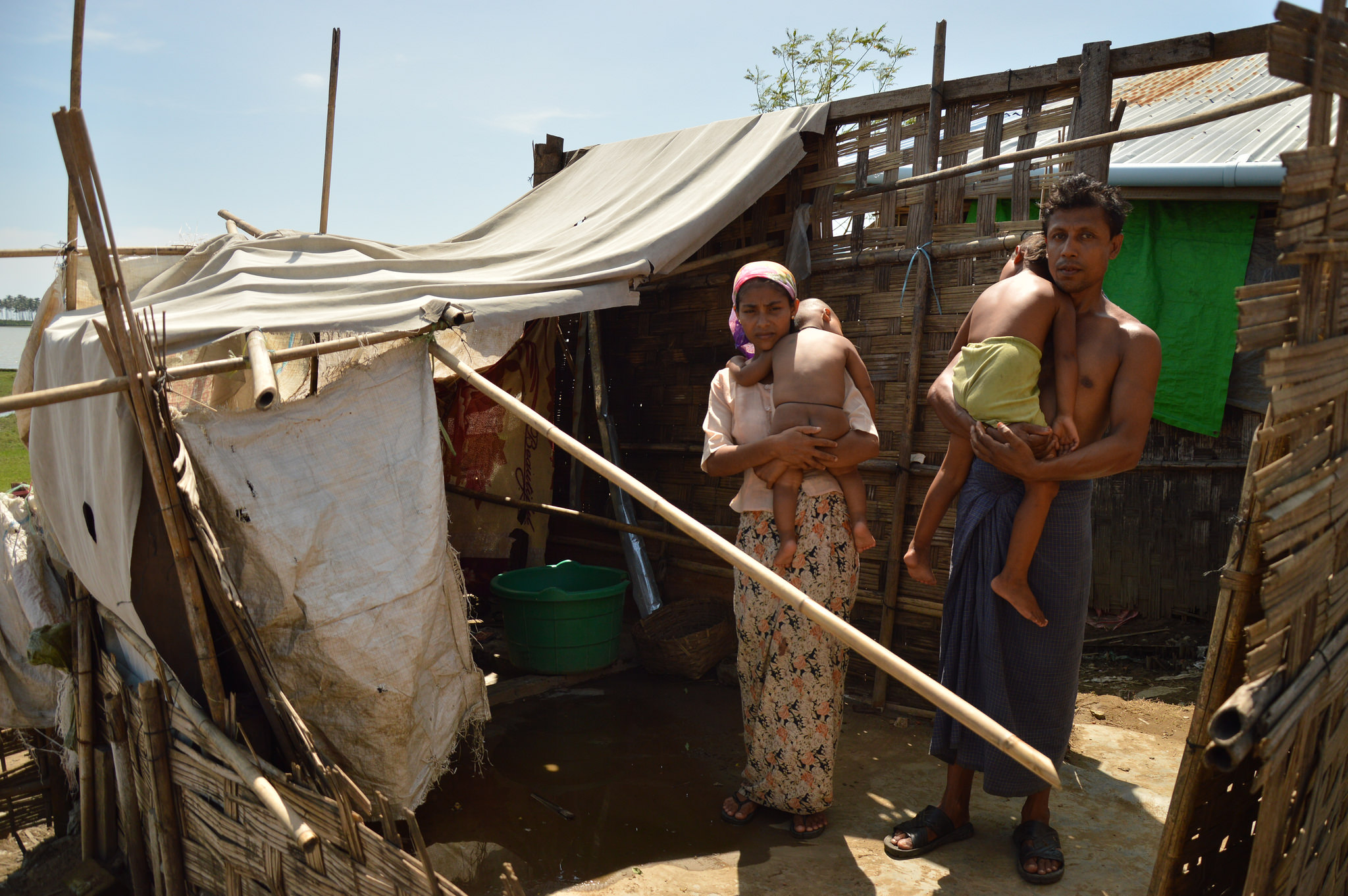
Amnesty cautioned that the scale and extent of the violence is unclear, as the military has closed Rakhine to outside observers, including aid workers. (Photo credit: EU/ECHO/Pierre Prakash)
BANGKOK—The actions of Myanmar’s military may constitute crimes against humanity, human rights group Amnesty International has warned, based on accounts of violence against the country’s Muslim Rohingya minority.
Myanmar has come under heavy criticism for its army’s forceful treatment of the Rohingya, and international human rights groups such as Amnesty have accused the military of mass murder, looting and rape.
“The Myanmar military has targeted Rohingya civilians in a callous and systematic campaign of violence,” said Rafendi Djamin, Southeast Asia director for Amnesty International. “The deplorable actions of the military could be part of a widespread and systematic attack on a civilian population and may amount to crimes against humanity.”
Amnesty released a report Monday outlining its accusations. The report comes as Myanmar leader Aung San Suu Kyi is set to meet fellow members of the Association of Southeast Asians Nations at a Monday meeting in Yangon.
The military sweeps were sparked by an Oct. 9 attack on police outposts in Rakhine state that killed nine officers.
Rakhine, located in Myanmar’s west, has long been home to simmering tensions between the Rohingya and the country’s Buddhist majority population. The last major outbreak of violence in 2012 left hundreds dead and drove 140,000 people into internal displacement camps.
Amnesty cautioned that the scale and extent of the violence is unclear, as the military has closed Rakhine to outside observers, including aid workers. But eyewitness accounts detail specific cases of murder, looting and rape.
In one incident on Nov. 12, following an alleged skirmish between the army and villagers armed mostly with swords and other simple weapons, helicopter gunships descended on a village and sprayed bullets indiscriminately, killing civilians fleeing in a panic, Amnesty said. This was corroborated to an extent by Myanmar army officials, who said helicopters opening fire that day and killed six people, who officials said were insurgents.
Refugees told Amnesty that the military is torching villages. Satellite images Amnesty obtained show 1,200 burned structures, which they say is in line with images released by Human Rights Watch in November that showed 1,500 burned homes.
Amnesty’s report follows concerns voiced in an International Crisis Group report released last week that repressive government policies are radicalizing the Rohingya, and sharp criticism from the U.N.’s High Commissioner for Human Rights, Zeid Ra’ad al-Hussein.
“Myanmar’s handling of northern Rakhine is a lesson in how to make a bad situation worse,” al-Hussein said in Geneva on Friday. “The results have been catastrophic, with mass displacement, the nurturing of violent extremism, and everybody ultimately losing.”
The border attacks were co-ordinated by a new insurgent group calling itself Harakah al-Yaqin, or the Faith Movement, according to the Belgium-based International Crisis Group. Organized by a network of Rohingya in Saudi Arabia and bankrolled by wealthy donors, the militant group is being called a “game changer” for drawing Muslims disillusioned and desperate from years of disenfranchisement by the Myanmar government.
Amnesty is urging the government to immediately cease hostilities, open Rakhine for humanitarian aid groups, and allow independent investigations.