Art and Culture
Toronto gallery offers multi sensory showcase for artists with disabilities

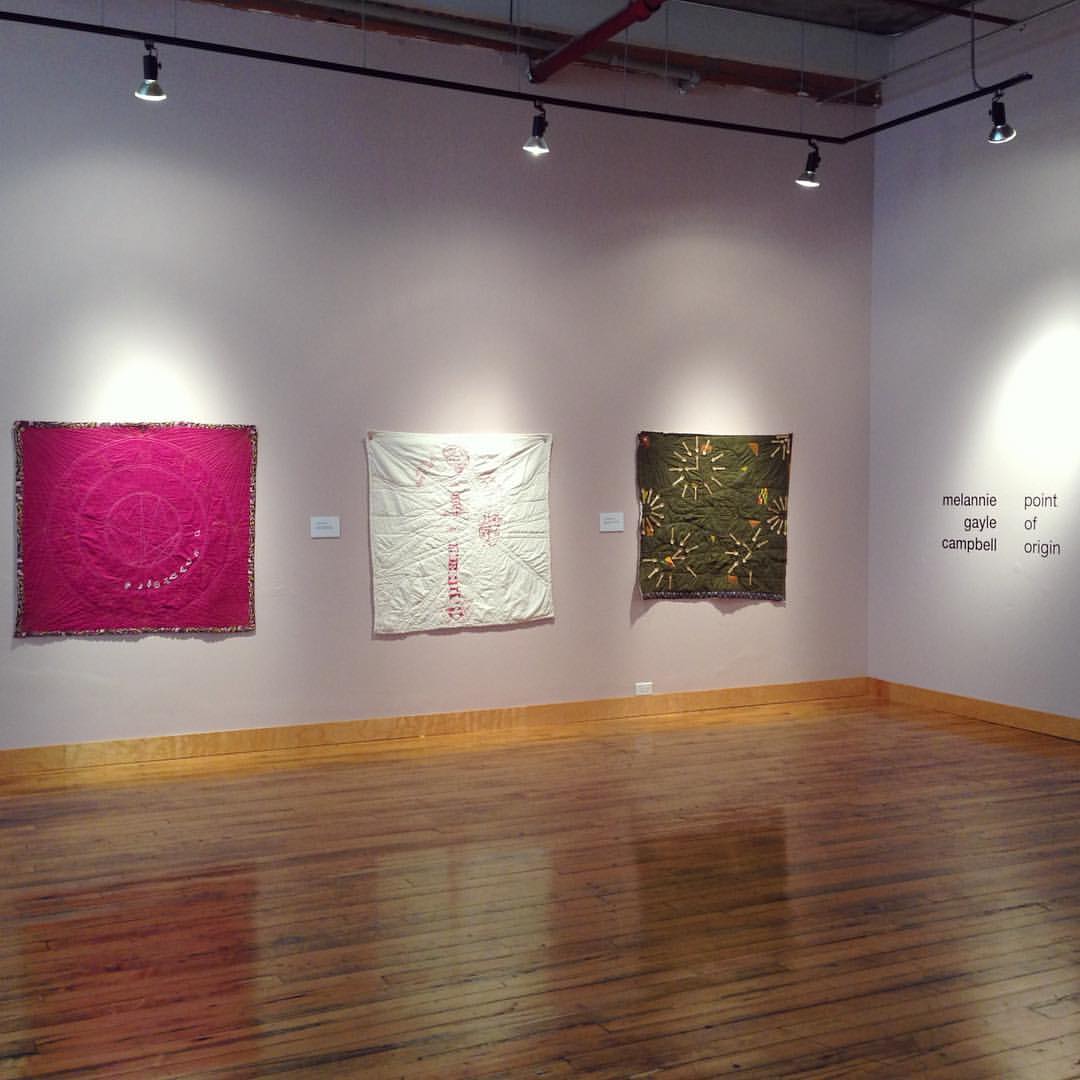
Point of Origin (Photo: Tangled Art + Disability/Facebook)
TORONTO—Through stitches of thread, loops of wool and poetic verses, melannie g campbell is using art to share a deeply personal journey, one that includes the experience of living with chronic illnesses and pain.
“Having a body that doesn’t function in the way that normative bodies do, I’ve personally had a lot of interactions with doctors and doctor’s offices,” said campbell, who is non-binary, not identifying as one specific gender.
“There’s always this search (of): ‘Did you fall?’ or ‘Were you in an accident?’ and trying to really find the source of what this ailment could be, whereas it’s actually kind of diffuse, all over the body…. I wanted to kind of unpack where my body, where my pain, where my experience comes from.”
The mixed-media artist’s latest works exploring themes including grief, trauma and pain are featured in “Point of Origin,” the first exhibit in the inaugural season of Tangled Art Gallery in Toronto. The space is dedicated to providing a platform for artists who are disabled, deaf or living with mental illness.
Tangled has existed as a disability arts organization for more than a decade, organizing festivals and professional development activities, among other initiatives. The group decided the time was right to provide a “cultural home” to feature disability art year-round, said artistic director Eliza Chandler.
“I think we want to dispel some of these assumptions that disabled people aren’t creative, or are creative in spite of ourselves,” she said.
“We accompany shows with artists’ talks and other educational activities, all which promote different representations of disability … and different representations of disabled people as powerful, important artists who have lots to say about their work, and lots to teach people through their work.”
Chandler said they’re following standards set by the Smithsonian Museum in Washington, D.C., for hanging artwork at accessible heights and ensuring printed text is large enough to read. They also make an effort to create audio descriptions for blind and visually impaired patrons, as well as working to ensure exhibits can have touchable or tactile components.
“I want people to come in—especially curators and other art organizers, art directors—to see when you make an accessible show, you’re really increasing the level of artistic excellence. It does give rise to a more interesting show, a more accessible show to everyone.”
Campbell’s artistic exploration draws on traditional and contemporary techniques as well as Afrofuturism, an esthetic movement combining elements of sci-fi with an Afrocentric perspective. The artist was inspired by the works of the late Octavia Butler, an African-American science fiction writer.
“In a series of her books, she really talks about kind of imagining a place where we’ll be free, imagining a place where we won’t be experiencing certain kinds of oppression. Imagine a place where we’re able to love each other where we’re at, and even though we might have struggled we’re actually able to move to that with love.
“I feel like by virtue of being a black person in this moment and thinking I’m going to live tomorrow that’s pretty futuristic…. We’re in some pretty hard times.”
One of campbell’s pieces, called “Black Matter Excellence,” is embroidered with the names of black people who have died at the hands of the police, including Sandra Bland, Alton Sterling and Philando Castile.
“Alongside that, I had decided to embroider a few names of black heroes that have been really inspirational to me in the past few years,” said campbell. “Alongside being broken-hearted, I’m also gaining community and I’m gaining power and I’m gaining access to history.”
The exhibit also includes six woven portraits, four focusing on artists or writers who may have lived with chronic pain or illness or mental illness, but those realities weren’t necessarily part of their art, said campbell.
“Something I really think about is how necessary—but also how lucky it is—that I’m able to sit here and talk about what it’s like to be a disabled artist and what it’s like to be in pain all the time, and also what it’s like to create and I get to be witnessed in that way and I get to be validated in that way.”
The “Point of Origin” exhibit runs through Sept. 15.