
Technology
Discontinued Nokia X phones suffered from improvements in Microsoft system, lack of identity

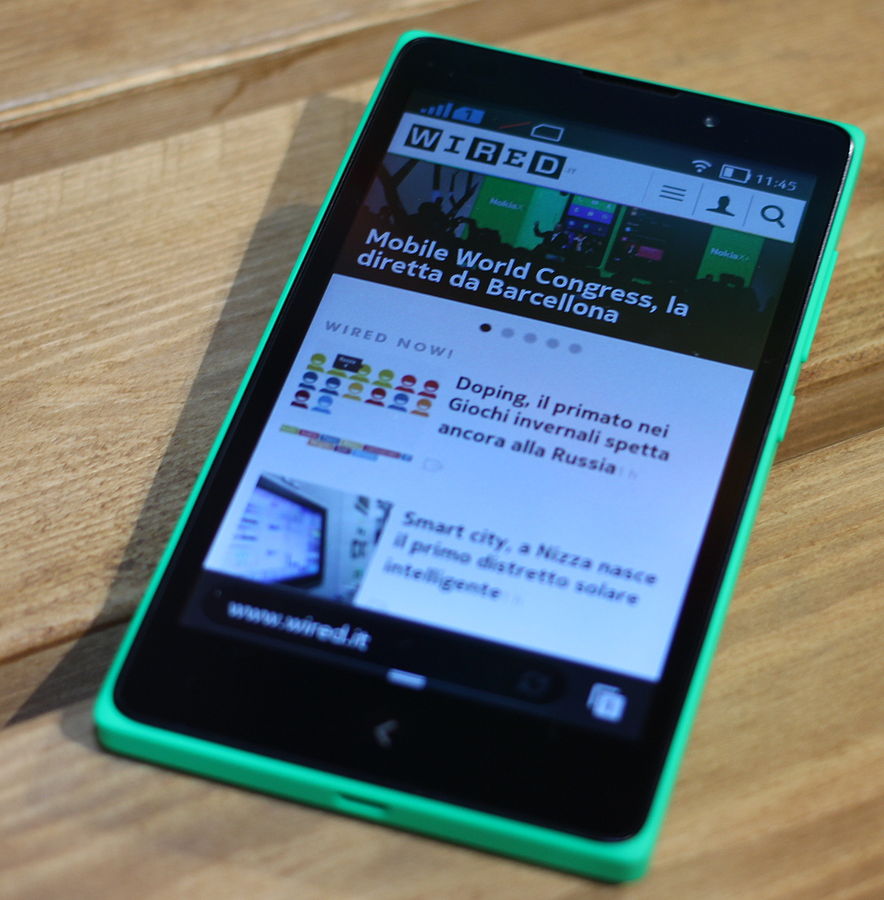
Nokia XL. Photo by pestoverde / Flickr.
NEW YORK—The Nokia X phones that Microsoft discontinued this week blend two rival operating systems, but leave out the best of each.
As a result, the devices didn’t become a runaway hit as Nokia’s low-cost answer to serving emerging markets.
Nokia X phones were devised to be a gateway to the company’s pricier Lumia phones. The operating system that runs the phones was to blend the core technology found in Google’s Android system with services and designs found in Microsoft’s own Windows Phone system. Nokia looked to Android as a way to sell phones with locally tailored apps unavailable on Windows.
But Microsoft completed its deal to buy Nokia’s phone business in April, and Nokia X is gone less than three months later.
“Nokia tried to bring the best of both worlds on this device, but once you play around with it, this phone kind of falls short of how fantastic it could be,” said Ramon Llamas, an IDC analyst who follows phones.
Although sales figures aren’t available, Llamas said his research showed Nokia X was “not the one that everybody seems to be flocking to.
”
The Nokia X project is an example of clashing priorities that Microsoft CEO Satya Nadella is trying to curb with a refocusing effort that includes 18,000 job eliminations over the next year. In Thursday’s announcement of the cuts, Microsoft said it will shift future Nokia X product designs to its Lumia line of Windows devices.
Although Microsoft Devices chief and former Nokia CEO Stephen Elop pinned the move on a need to align Nokia’s strategy with Microsoft’s, two other factors contributed to the downfall: Nokia X lacked an identity, while Windows got better.
Now, Microsoft is left to target emerging markets with Windows alone.
Nokia and Microsoft had been partners long before Microsoft bought the phone business. To maintain the relationship, Nokia sought to appease Microsoft by replacing many of the Google services on Android with Microsoft’s services. Android staples such as Gmail, Google Maps and Google’s app store are nowhere to be found. Instead, Nokia X phones have Here Maps from Nokia and Skype and OneDrive from Microsoft. The Nokia X home screen looks nothing like Android, but resembles Windows.
The thinking was that once Nokia X users were ready for higher-end phones, Lumia would be their choice because they are already accustomed to Microsoft’s services and designs.
But Nokia adapted Android so much that it affected functionality. Software developers had to tweak some of their apps because Nokia X lacks key Google services. For instance, location services have to use Nokia’s Here rather than Google Maps. In-app payments also had to be tweaked to allow billing through mobile carriers, something Nokia X enabled because many people in emerging markets lack credit cards.
Meanwhile, even as Nokia adopted the look of Windows, it didn’t adopt its ease of use. It was more like a knockoff version of Windows.
Windows devices set themselves apart by offering colorful home-screen tiles stuffed with content. Instead of just a logo of Facebook, for instance, you get the first several words of notifications. For email, you get the email’s sender and the start of the subject line, so users know whether there’s anything worth opening the app for. Windows also lets you create tiles to serve as shortcuts to specific tasks within apps—such as places you go often using the mapping app.
Nokia X has none of that. Its home-screen tiles are static, like overblown versions of Android icons.
Now, Llamas said, Microsoft is under even more pressure to succeed with Windows in emerging markets.
Although recent improvements help, he said, many phone makers by now have settled on Android for cheaper devices.
Nokia X did succeed at keeping prices low.
Its four models range from 0 to 0.
By contrast, Nokia’s Lumia Icon costs $550 without subsidies that come with two-year service contracts. Apple’s iPhone 5s and Samsung’s Galaxy S5 cost even more.
In killing Nokia X, Microsoft isn’t changing Nokia’s commitment to serving emerging markets. Microsoft knows those regions are high-growth areas, as many people in the United States and other industrialized markets already have smartphones. Microsoft is also aware that those devices need to be affordable.
The day before Nokia announced its Android phones at a February wireless show in Barcelona, Spain, Microsoft unveiled plans to update its Windows Phone system. Among other things, the software runs more efficiently, so it doesn’t require as much processing power. That update, Windows Phone 8.1, came out in May. Microsoft also began giving the Windows software to phone makers for free, the way Google has with Android. And it relaxed requirements for physical buttons. All that has made Windows phones cheaper to make.
The Nokia X phones do have some good touches, including slots for two SIM cards—something important for emerging markets, where phone rates vary so much that people often switch services depending on whom they are calling or texting. Windows didn’t allow that until the May update.
The improvements made to Windows ultimately reduced the need for Nokia X. But even if that hadn’t happened, it was doubtful Nokia X would have survived under new owners.
In his memo, Elop pointed out that “the role of phones within Microsoft is different than it was within Nokia.”
Nokia’s business had been to make phones. With Microsoft, the phones are a way to showcase the company’s other offerings in services and software, including the Windows Phone system.
And Nokia X had no role in that.




















