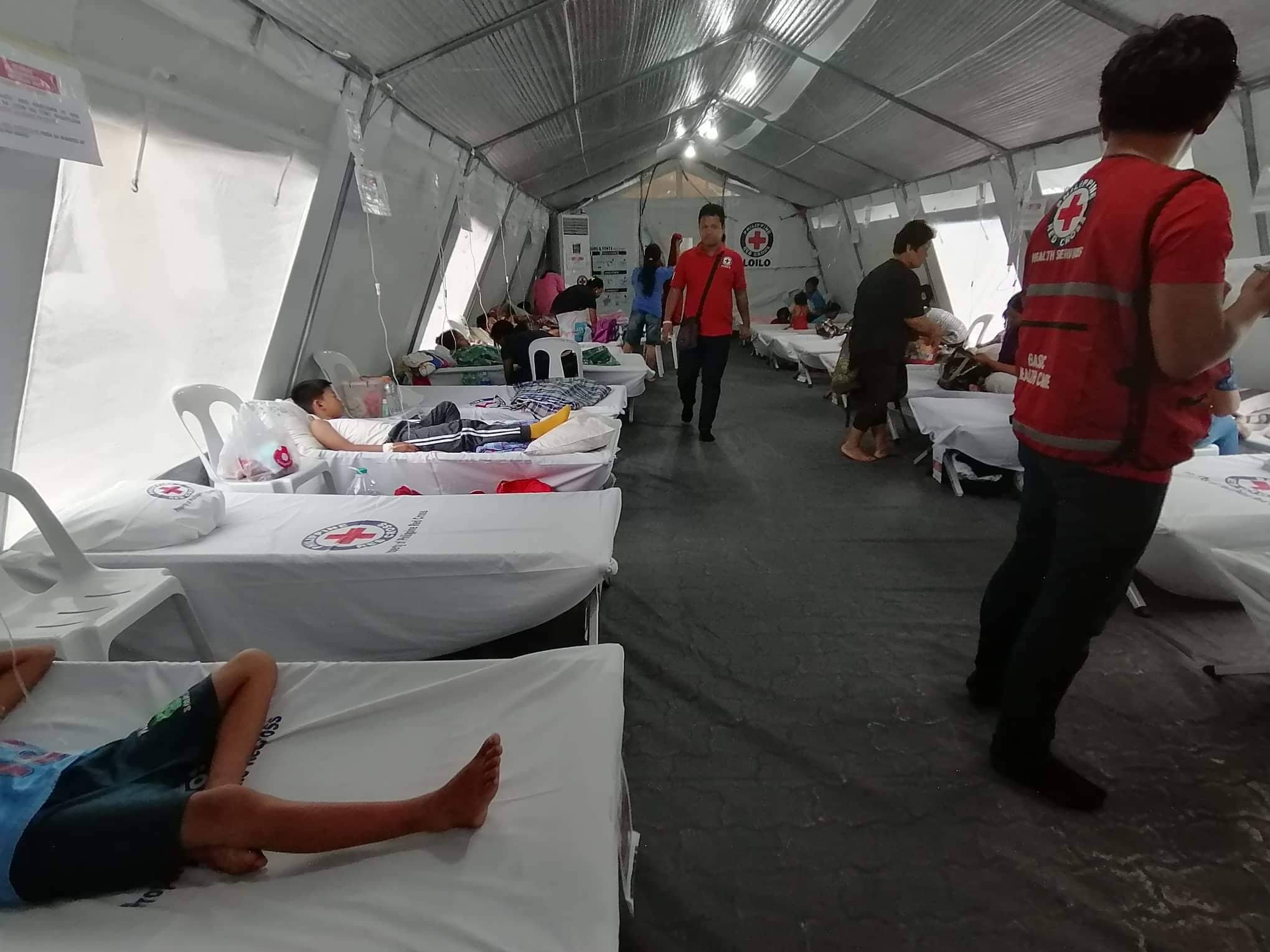
A €100,000 or around P5.7-million in humanitarian aid was donated by the European Union (EU) to the Philippines to help its communities most affected by the dengue outbreak.
In a statement on Friday, August 2, the EU said some 300,000 Filipinos in Cavite, Laguna, Batangas, Rizal, and Quezon (CALABARZON), Central Luzon, Central Visayas, Metro Manila, and Western Visayas will benefit from it.
The assistance, it added, is part of its overall contribution to the Disaster Relief Emergency Fund (DREF) of the International Federation of Red Cross and Red Crescent Societies (IFRC).
“This EU-funding supports the Philippine Red Cross (PRC) in delivering crucial assistance through the strengthening of public health services, such as the establishment of dengue emergency medical units or hospital extension wards at local government hospitals, and the provision of nursing staff to respond to overwhelming dengue cases,” the EU said.
The funding will also be used to clean water and treat mosquito breeding grounds with a “biological control agent” to eliminate mosquito larvae and enhance public awareness and information dissemination to prevent and reduce new dengue cases.
The EU’s statement came after the Department of Health (DOH) declared a National Dengue Alert on July 15 due to the growing number of dengue cases in several regions in the country.
The Health department said 106,630 dengue cases were recorded nationwide from January 1 to June 29, 2019. This was 85 percent higher than the 57,564 cases reported from the same period in 2018.
Most of the cases were from Western Visayas, followed by CALABARZON, Central Visayas, SOCCSKSARGEN, and Northern Mindanao.
The DOH advised the public to observe the 4S strategy which, it said, is the most effective way to prevent dengue: search and destroy mosquito breeding sites, self-protective measures, seek early consultation, and say yes to selective fogging.