
Health
Pediatrician group wants government to protect youth when recreational pot legalized

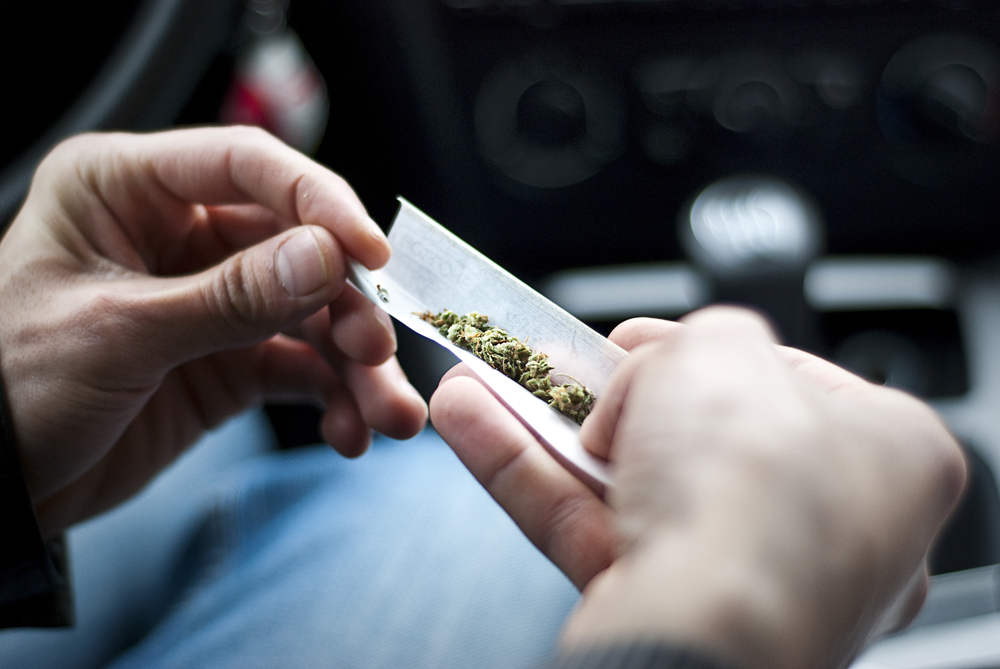
Dr. Bernard Le Foll, medical head of addiction medicine services at the Centre for Addiction and Mental Health (CAMH) in Toronto, agreed that the dangers to the developing brain and mental health risks mean young people should be protected from cannabis exposure. (ShutterStock)
TORONTO—The Canadian Paediatric Society is urging the federal government to take steps to protect children and youth should it follow through on its plan to legalize recreational marijuana next year.
In a position statement released Thursday, the CPS is recommending there be an age restriction for the purchase of pot and that the ingredient in cannabis that causes people to get high be restricted in products sold to young people.
“We want to ensure that sales of cannabis products are prohibited to all youth under the legal age for buying tobacco and alcohol, so 18 or 19, depending on their location in Canada,” said Dr. Christine Grant, an adolescent medicine specialist at McMaster University who co-authored the CPS position paper.
“And importantly, we want the government to strongly consider limiting the concentration of THC in cannabis that 18- to 25-year-olds can purchase legally.
”
THC, or tetrahydrocannabinol, is the main psychoactive component of marijuana.
“Young adults frequently experiment with marijuana,” she said. “By aligning the legal age for cannabis use with that for other legally controlled substances, young adults will have access to a regulated product, with a known potency. They’ll also be less likely to engage in high-risk illegal activities to access cannabis.”
Grant said there are many risks for young people associated with the recreational use of marijuana, including deleterious effects on the developing brain.
“We know that our brains develop well into our 20s and also from science that cannabis has an effect both structurally and functionally on our brains and that when our brains are developing we’re most vulnerable,” Grant said Wednesday from Hamilton.
“So by limiting concentrations of THC up until 25, we’re hoping we can mitigate some of the risks.”
Research has shown that regular pot use can lead to one in six youth developing a psychiatric diagnosis known as cannabis-use dependency, which can significantly interfere with a young person’s everyday life, including their schooling, relationships and interest in social activities like sports.
Cutting down or trying to quit weed altogether can result in withdrawal symptoms such as irritability, anger, agitation and difficulty sleeping. Physical symptoms may manifest as digestive system upset, fever, chills and headaches.
But perhaps most concerning, said Grant, is that heavy or regular pot-smoking can in some cases cause psychotic events, such as depersonalization, losing touch with reality, and experiencing visual and auditory hallucinations.
Dr. Bernard Le Foll, medical head of addiction medicine services at the Centre for Addiction and Mental Health (CAMH) in Toronto, agreed that the dangers to the developing brain and mental health risks mean young people should be protected from cannabis exposure.
Its own Cannabis Policy Framework mirrors that of the CPS in recommending that the minimum age for purchasing recreational pot once it becomes legal should match that for alcohol.
However, CAMH is not calling for reduced-THC products under a certain age, as “there is no evidence to support a particular THC-potency limit or cutoff.”
Le Foll said restricting young people to lower-THC marijuana could result in their smoking greater quantities to get a better high or to seeking for a more potent product from illegal black market dealers.
Grant said another major concern is that young people will get behind the wheel after toking up or vaping weed because many don’t realize they can be impaired by the drug — and even more so if they combine it with alcohol. And there is no roadside test for drivers suspected of being impaired by pot, as there is for booze.
“One of the biggest issues is protecting children too,” she said, noting there’s been a three-fold increase in young children with cannabis overdoses being brought to hospital emergency departments in the states of Colorado and Washington, where recreational marijuana is legal.
The reason? Young kids have ingested baked goods and other edibles containing the plant product that were intended for adults.
“These edibles are attractive to young children because they look like sweets or candies,” she said, suggesting that the government should ban the marketing of such products.
As well, the CPS wants Ottawa to align existing anti-tobacco legislation to include cannabis smoking.
“So that would be smoking in public venues, smoking in cars where children are present, and then we also feel very strongly that the government needs to fund a public education campaign to reinforce that it’s not safe for children and youth and young adults because of the brain issues and mental health.”




















