
Breaking
DOH confirms a US resident with ZiKa virus stayed in the country for four weeks in January

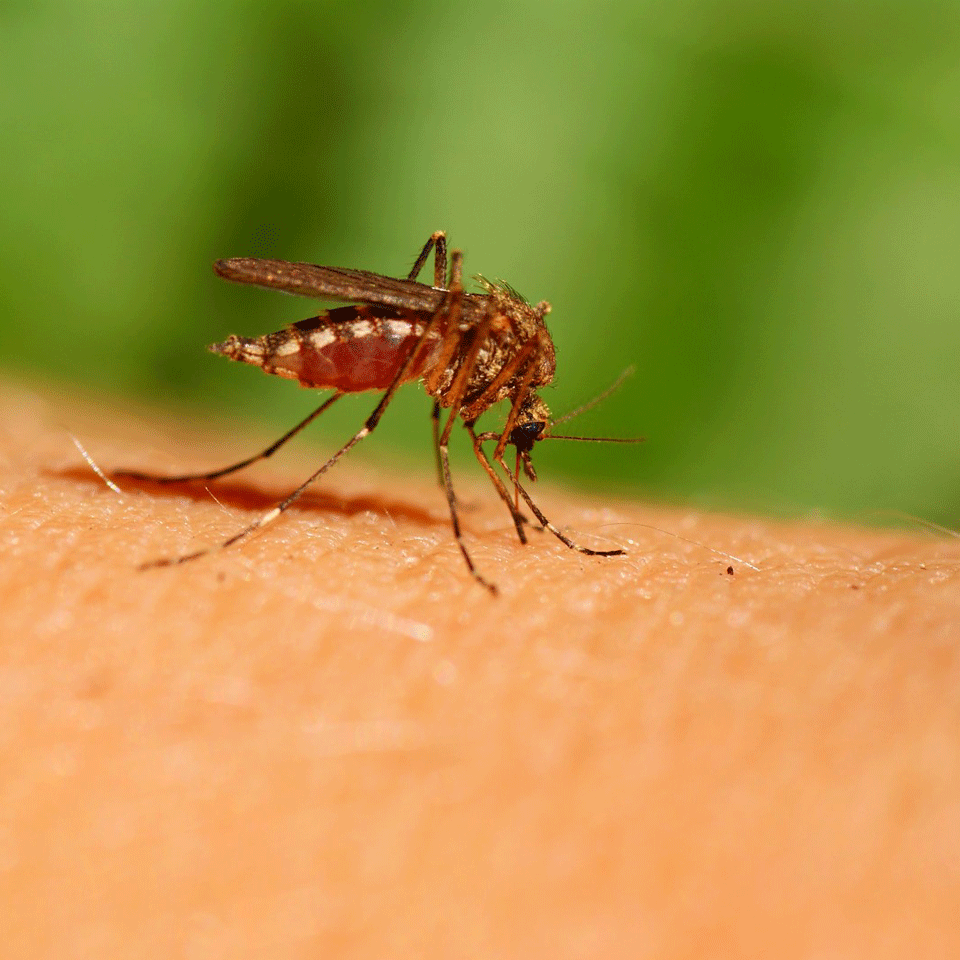
(Photo courtesy of the official Facebook page of Brock University)
MANILA, March 6 (PNA) — The Department of Health (DOH) confirmed on Sunday the report from the United States Centers for Disease Control and Prevention (US-CDC) that an adult non-pregnant US resident, with a travel history of four weeks in the Philippines in January 2016, was positive for Zika virus.
“She developed an illness with symptoms of fever, rash, joint pain, conjunctivitis, and muscle pain during her last week of stay in the Philippines before returning to the United States of America,” DOH Secretary Janette L. Garin said.
She added that they are currently coordinating with US-CDC for the profile of the patient, including information on places wherein the confirmed case had made a visit during her stay in the Philippines.
“We were informed that shortly after returning home to the US, an evidence of Zika virus infection was detected from the patient,” Garin explained.
Zika viral disease is characterized by fever, rash, and conjunctivitis. Other symptoms are joint pain, muscle pain, headache, and vomiting.
The illness is usually mild with symptoms lasting for two to seven days.
Although most individuals infected are asymptomatic or do not manifest any symptoms, they still have the capability of transmitting the infection.
Zika virus is usually transmitted through the bite of infected female Aedes mosquitoes, the same mosquitoes that transmit dengue and chikungunya.
There have been reports that the virus can be transmitted through sexual contact and blood transfusion.
According to the World Health Organization (WHO), there are 55 countries and territories that have reported local Zika transmission from January 2007 to March 3, 2016.
Local Zika virus transmission has also been detected in countries such as American Samoa, Cambodia, Fiji, French Polynesia, Malaysia, Marshall Islands, Samoa, Solomon Islands, Tonga, Vanuatu, Lao PDR, Indonesia, Maldives and Thailand.
Most Zika cases are from other regions, specifically from Latin America.
Secretary Garin said that in the Philippines, the Research Institute for Tropical Medicine (RITM) is capable of testing suspected cases of Zika virus through Real-Time Polymerase Chain Reaction (RT-PCR).
The test is also available in the Visayas and Mindanao.
“Currently, we have 2,000 testing kits on standby,” the Health Chief added.
The symptoms of Zika virus disease can be treated with common pain and fever medicines, rest, and plenty of water intake. If symptoms persist, patients are advised to consult the nearest health facility.
Currently, there is no available vaccine to prevent Zika virus infection.
The DOH emphasizes that Zika infection is asymptomatic in 80 percent of cases and most of the time the disease is self-limiting. However, the effect on the result of pregnancy should not be discounted.
Zika virus has been linked to congenital CNS (central nervous system) malformation like microcephaly.
DOH calls on pregnant women to avoid mosquito bites, especially during day time.
It also calls for those with fever, rash, and conjunctivitis to submit themselves for consultation.
At the same time, it emphasizes that it is very important to search and destroy the potential breeding sites of Aedes mosquitoes that serve as vector of the virus.
“We reiterate that cleanliness is still the key against mosquito-borne diseases. The public is reminded to be vigilant and pre-cautious in eliminating mosquito,” the DOH Chief said.




















