
Sports
Game Plan designed to help Canada’s athletes thrive in and after sport

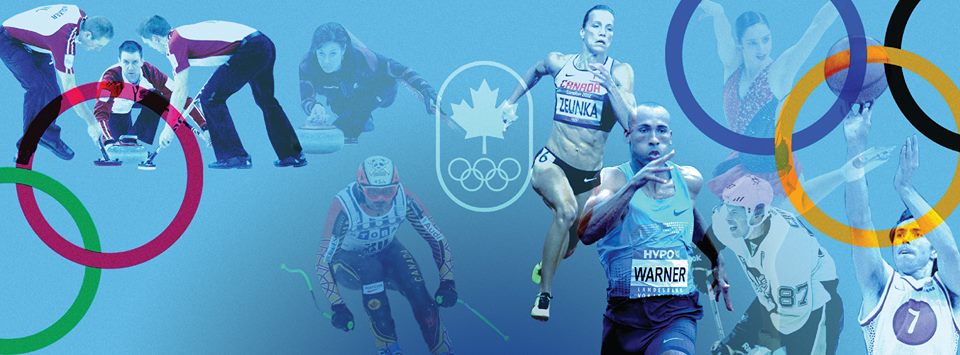
(Photo from the Canadian Olympic Committee’s official Facebook page)
How much responsibility should a sports organization bear for athletes about to retire or who have retired? A lot, says Hayley Wickenheiser.
“I think it’s a massive responsibility,” the Canadian women’s hockey star said.
The caretaking of athletes is a subject close to Wickenheiser’s heart.
She wrote a passionate essay earlier this year about her friend Steve Montador. One of the issues the former NHL player struggled with before his death at age 35, wrote Wickenheiser, was the end of his hockey career and livelihood.
The cause of Montador’s death has not been released but researchers said after examining his brain that he suffered from chronic traumatic encephalopathy, or CTE.
Wickenheiser wrote the hockey community as a whole needed to do more for athletes at risk.
“For me, where this really hits home is with Steve Montador – the transition skills, thinking about a life after the game while you’re in the game,” the six-time Olympian said. “What I saw in Steve and some other athletes I’ve known through the years is they don’t think about that until it’s over and then there’s this real gap and the floundering that exists there.
“It is really hard to see athletes retire and kind of flounder and not know where they’re going to go.”
Wickenheiser sees similar struggles in her community of Olympic athletes. Swimmers, lugers, speedskaters, paddlers and cross-country skiers also wrestle with the major life change of retirement. Most don’t have the financial cushion of pro athletes.
It’s difficult to leave the sport community in which you’ve spent half your life to enter a world for which you feel ill-prepared.
The Canadian Olympic Committee, Canadian Paralympic Committee and the country’s network of sport centres and institutes are launching a new program Thursday that “we believe from inception will be the world’s first high-performance wellness and transition program,” COC chief executive officer Chris Overholt said.
“Game Plan” covers five areas: career management, networking, education, skill development and health.
The program includes life skills services already offered by Canadian sport centres and institutes across the country, but is broader in scope and designed to be accessible to athletes no matter where they are geographically.
“It’s going to tackle a lot of areas: employment, life after sport, the mental side,” Wickenheiser said. “It allows you to reach out to people who may be able to help you along the way.
”
“I think Game Plan is probably on the leading edge of what’s out there right now currently for any transition program for athletes.”
The COC and CPC worked with the professional service firm Deloitte to develop Game Plan. That partnership has been extended until 2032.
National team athletes and athletes up to two years after their retirement date are eligible for the program.
Game Plan’s genesis was Overholt’s meeting with a group of Olympians in Calgary a few months after the 2010 Vancouver Olympics.
“I heard some stories from the athletes involved that were a bit mind-blowing for me – the issues they faced in transition out of sport and some of the challenges that came with that, whether it be professional transition or some of the mental-health challenges that came alongside that transition,” Overholt said.
Decorated swimmer Benoit Huot faces the end of his career with some trepidation. His fifth Paralympic Games in Rio de Janeiro next year will be his last.
“I would lie if I would say the transition between being an athlete and the after-athlete life wouldn’t be a concern for me,” the 31-year-old from Montreal said. “It’s a stress because I’ve been an athlete for the last 20 years or so. It’s the place I’ve felt the most confident.”
“I’m still in a certain uncomfortable zone knowing that I don’t exactly know what I will be doing or what will be my next role or objective after sport.”
So what’s in it for the COC and the CPC, in taking on responsibility for athletes preparing to walk out from under their umbrellas?
Overholt cites a study by former Olympic rower Dr. Kirsten Barnes, in which athletes said worrying about their lives post-sport compromised their performance while they were actually competing. Taking away that concern could help them win medals.
Also, sport is a profession where athletes remain the faces of their teams long after retirement. Helping them be happy retirees is a good business practice.
“We’re never going to be able to say that we can look after every one of our athletes in and through their retirements,” Overholt said.
“If you’re asking me do I feel we have a moral duty of care? Do I feel like we have a responsibility to help them, to be the best they can be on and off the field of play while they’re competing and in helping them with those things, that we can set them up for an easier transition and for success in life after sport? Absolutely.”




















