
Breaking
Urban homesteading, earth wise consumption possible even in apartments

shutterstock
TORONTO — Raising quail on a balcony, rabbits in a condo, or eating insects might not be among the habits of the average person in this country.
But Michelle Catherine Nelson believes supporting and growing sustainable food may be the most important contribution to our ecosystem that anyone can make.
And she says even those who live in a small space or a high-rise apartment can practise Earth-wise consumption.
Most people who shop in grocery stores are unaware of the food’s source, who has handled it and how it’s been processed. Urban homesteading “puts the power back into people’s hands,” Nelson says from her Bowen Island, B.C., home.
“They just need to find out about it, get a little bit educated and then they can make choices that are better for their own health. The food is better and also better for the environment.”
It’s also rewarding, she says.
“Going and collecting your own food in your local area and then preparing and eating it is one of the most satisfying things that I’ve done.”
Nelson and her partner forage wild urban edibles, eat invasive species, grow vegetables and herbs in pots, preserve fruits, vegetables and meats, and keep small livestock like chickens, rabbits, bees and crickets.
They purchase a few items from grocery stores, local producers and farmers’ markets but collect and raise as much as they can.
She has documented her trials and tribulations in “The Urban Homesteading Cookbook: Forage, Farm, Ferment and Feast for a Better World” (Douglas & McIntyre, 2015), which includes more than 80 recipes designed to inspire readers to start their own journey.
She started urban homesteading five years ago in her one-bedroom East Vancouver apartment. When she was growing up, Nelson’s grandmother fostered in her a love of cooking from scratch and preserving during summers spent on her sunshine coast hobby farm. Nelson went on to earn a PhD in agroecology and conservation biology.
One of the more involved and complicated ways to homestead is to raise your own protein, says Nelson, 35. She describes how to humanely slaughter an animal.
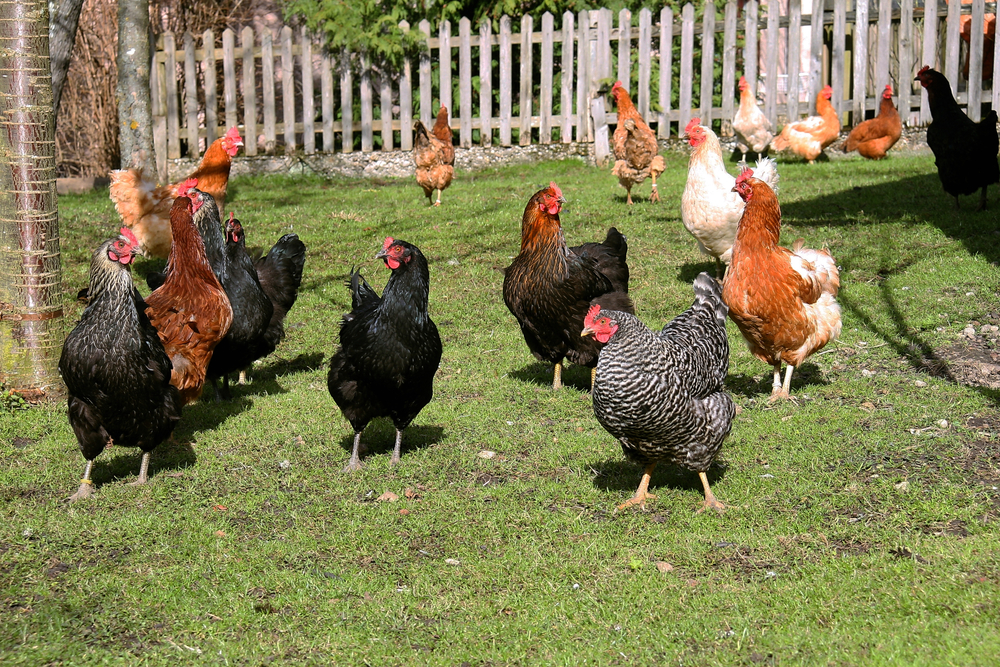
If you don’t have a backyard to raise chickens — where municipal bylaws permit — Nelson suggests keeping quail or growing edible plants on an apartment patio or balcony.
“Or you can eat bugs, which seems really weird, but it’s something that the United Nations Food and Agriculture Organization is talking about as being one of the most sustainable proteins and it’s not always easy to raise your own protein or to get sustainable protein locally.”
Westerners are some of the only people in the world who don’t eat bugs.
“We just think it’s gross because we don’t eat them. We just need to get over that,” says Nelson.
For those who enjoy plants, Nelson suggests foraging.
Many weeds and native plants found in urban settings are edible, including invasive species.
“It’s sort of killing two birds with one stone where you get free food that’s very nutritious and you also help in conservation by removing the invasive.”
Invasive purple loosestrife resembles spinach. Japanese knotweed is closely related to rhubarb, though not as strong-tasting.
“When foraging native species make sure you’re not taking too much. You have to keep in mind sustainability and conservation,” Nelson says.
Stick to species that don’t have toxic lookalikes. Amateurs can take community classes or visit online forums for advice.
This is a perfect time of year to preserve the harvest by canning, drying or freezing local fruits and vegetables to enjoy over the winter. Meat, stock, soup, pesto and jam can be frozen.
Honey, oil and spirits can be infused with herbs or wild foraged items like juniper, rosehips and berries.
Fermenting is another way to preserve, whether it’s pickles, sauerkraut or sourdough bread. Nelson also makes cider, beer, fruit wines and kombucha, a slightly fizzy, cider-like tea.




















