
Breaking
Ontario sending firefighters and equipment to fight wildfires in B.C.

shutterstock
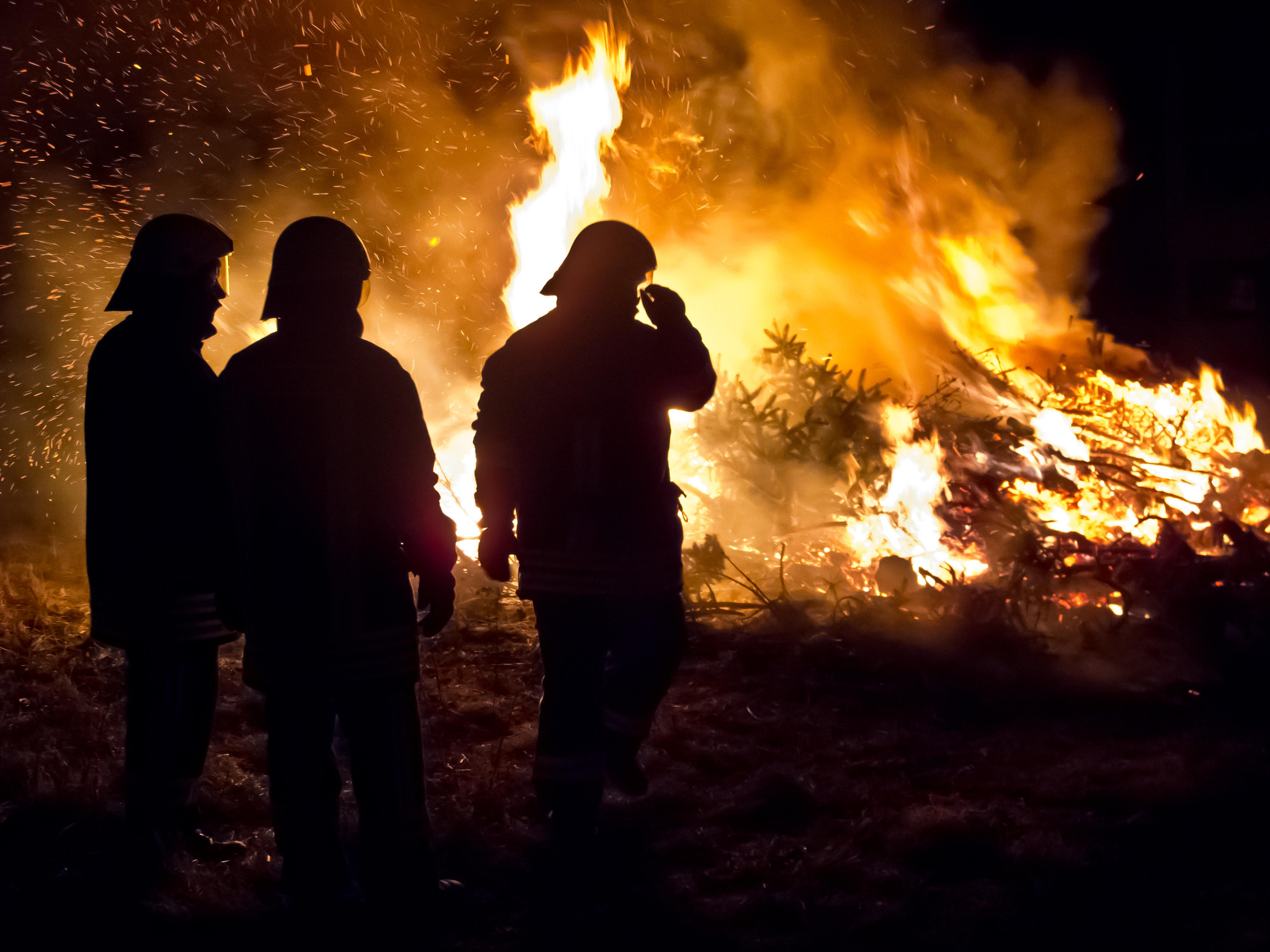
Big hills and bigger mountains are the most significant differences confronting a team of Ontario firefighters as they prepare to start work in British Columbia.
The group of 70 firefighters, sent to B.C. by Ontario’s Ministry of Natural Resources earlier this week to help combat wild land fires, are facing a much different terrain than their usual Ontario landscape.
“The biggest difference is the topography, mountains, valleys, a lot of hills in British Columbia (compared to) relatively flat in Ontario,” Fred Welch, a program co-ordinator for the ministry, said from Edmonton.
The geography creates challenges for the team, including fatigue, but Welch says it’s not a problem.
“Our crews are well-versed in working in other provinces; we’ve been there a number of times,” Welch said. “When we go to other provinces, we’re made aware of their safety policies and procedures as well of our own.”
The Ontario team will get assistance from B.C.’s fire management officials, including detailed briefings, and the pairing of staff from Ontario with local firefighters to help them get going, he says.
“There’s a lot of knowledge that is shared between different agencies, and that makes us all successful.
”
The work isn’t easy, adds Welch, who has worked for the ministry for 38 years and has been sent to other provinces more than 10 times.
“Long days, hard work, rewarding work and lots of team work,” he said.
B.C. requested the help through the Canadian Interagency Forest Fire Centre, which sends firefighters and equipment across the country when needed.
Ontario also sent two CL-415 heavy water bombers, a Birddog aircraft and seven aviation personnel, according to Debbie MacLean, a spokeswoman for the Ministry of Natural Resources.
The deployment to B.C. comes as wild land fires rage across parts of western Canada, including Saskatchewan, Alberta and the Northwest Territories.
The water bombers are in Kamloops and were scheduled to head to Vancouver Island later Wednesday, according to fire information officer Kevin Skrepnek. He says Ontario’s firefighters arrived in Abbotsford, B.C., and the majority of them will be sent to the western part of the province, including Vancouver Island.
British Columbia has had a heavy fire season, Skrepnek said from Kamloops, describing it as “definitely above average in terms of the fires, well above average in terms of the hectares burned and also an usually high amount of activity.”
“Unusually aggressive fire activity for this time of year in terms of how fast the fires are spreading, how easily they’re igniting and how deeply into the ground they’re digging in,” he added.
Skrepnek says there are 191 active fires burning over 220,000 hectares in B.C., with 31 starting within the last day. He says an usually high number of lightning strikes as well as unseasonably hot and dry conditions have contributed to the high number of fires.
The warm and dry conditions aren’t expected to let up until next week, he adds.
Ontario, meantime, is experiencing a slightly below average fire season, MacLean said, thanks to a rainy spring and summer, lower temperatures and few lightning strikes.
That’s allowed Ontario’s firefighters to head West.
“The good news is Ontario continues to get some precipitation so we’re able to help,” said Welch. “I believe we’re helping them as much as we can.”
The number of hectares burned this year in forest fires across Canada jumped from one million on June 29 to over 2.6 million by Wednesday, according to the forest fire centre.
Marc Mousseau, a national duty officer with the organization, says it’s working at its highest level of preparedness as the fire hazard reaches extreme levels in some parts of the country and competition for resources is fierce.




















