Headline
Filipino scientists unlock genetic secrets of endangered South Philippine hawk-eagle

Floyd Brenz, Philippine Canadian Inquirer
November 28, 2026
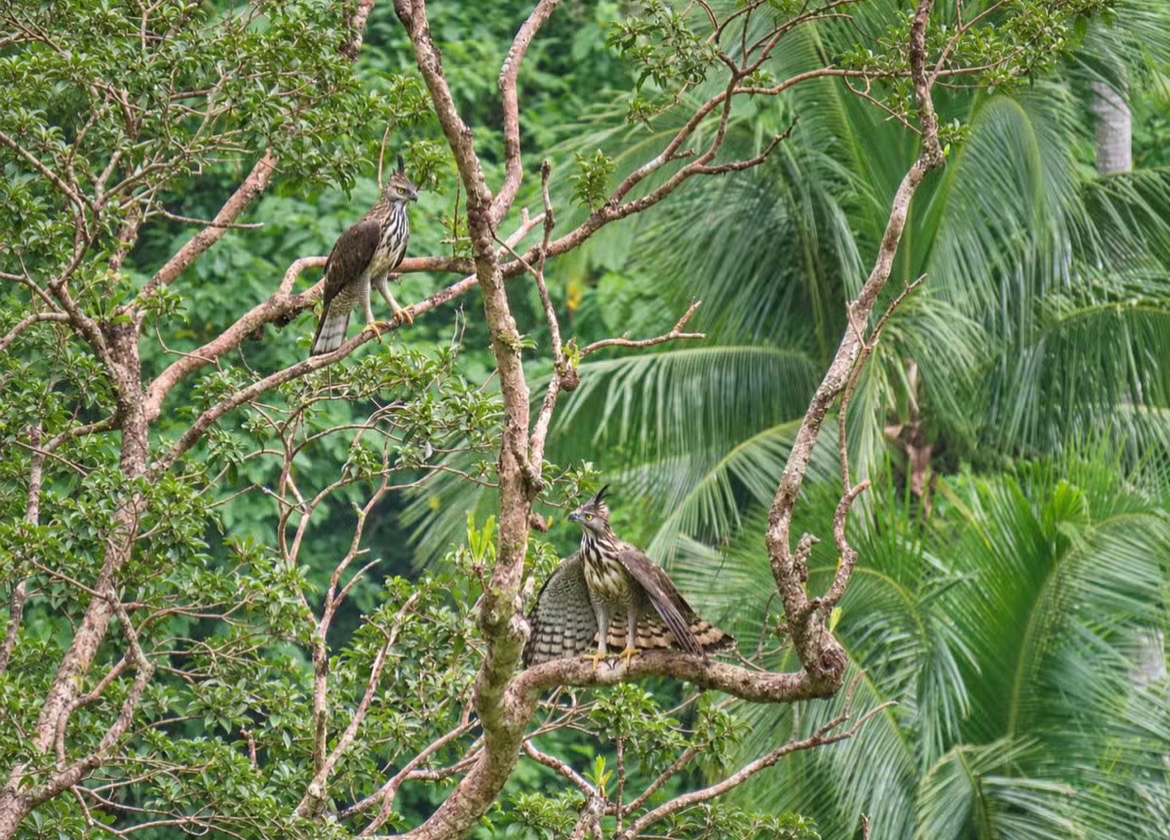
Photo Courtesy: Philippine Eagle Foundation
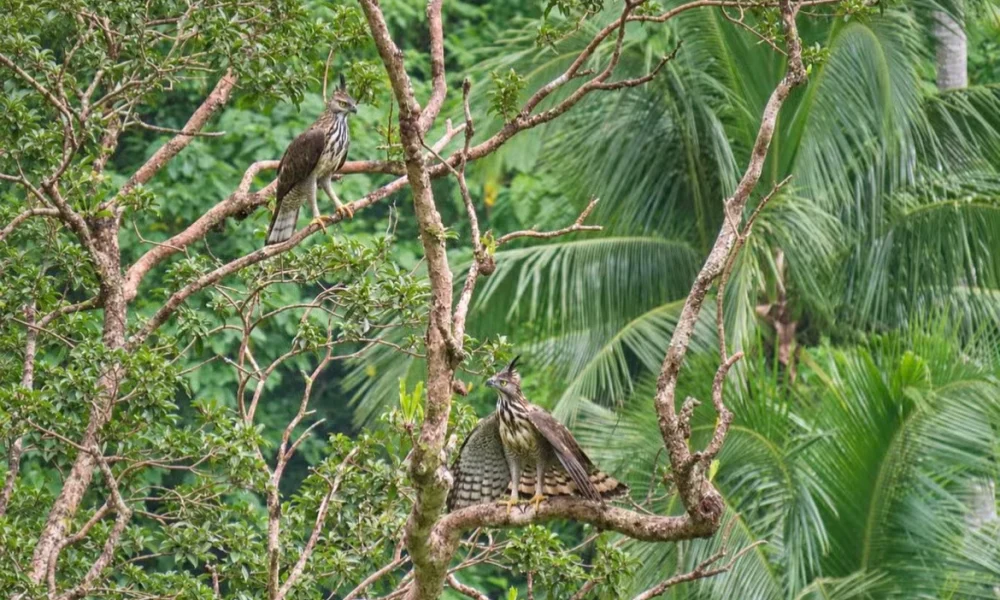
A team of Filipino researchers has uncovered new genetic information about the South Philippine hawk-eagle, one of the country’s most threatened birds of prey, in a scientific breakthrough that could strengthen efforts to protect the species from extinction.
Found exclusively in the Philippines, the South Philippine hawk-eagle (Nisaetus pinskeri) is considered the country’s second most threatened eagle after the Philippine eagle. Conservation estimates place its remaining mature population at only 600 to 800 individuals in the wild.
Researchers from the University of the Philippines Diliman and the Philippine Eagle Foundation successfully sequenced nearly the entire mitochondrial genome of the species, providing a clearer picture of its evolutionary history and relationship with other eagles.
The study, published in the scientific journal PLOS ONE on October 26, 2026, identified 18,654 DNA building blocks in the bird’s mitochondrial genome. Scientists then compared the genetic information with that of other birds of prey.
One significant finding showed that the South Philippine hawk-eagle shares a closer evolutionary relationship with the Changeable hawk-eagle, a species found in several parts of Asia, than with other hawk-eagles included in the study.
The research also demonstrated that examining multiple genes together provides a more reliable understanding of evolutionary relationships than relying on a single genetic marker.
Scientists said the findings offer an important foundation for future conservation work, particularly in understanding the genetic diversity and long-term survival prospects of the endangered bird.
The research was led by Dhan Mikhail Perdon, whose work on assembling and analyzing the genetic data formed part of his undergraduate thesis. The project involved researchers from UP Diliman’s National Institute of Molecular Biology and Biotechnology, the Philippine Genome Center and the Philippine Eagle Foundation.
Blood samples used in the study came from South Philippine hawk-eagles under the care of the Philippine Eagle Center in Malagos, Davao City. The samples were collected during routine veterinary examinations.
Researchers stressed that genetic discoveries must be supported by stronger field research, including efforts to determine where the remaining eagles live, whether their populations remain connected and how habitat loss affects their survival.
The Philippine Eagle Foundation said the species needs greater public attention and protection, warning that its limited population makes continued research and conservation efforts particularly urgent.
The findings also highlight a wider concern among conservation scientists: many threatened tropical birds of prey remain poorly studied despite facing serious risks of extinction.
While the Philippine eagle has long been the focus of national conservation efforts, researchers say other endangered species sharing the country’s forests also need sustained scientific attention.
Scientists hope further genetic studies involving more South Philippine hawk-eagles from different locations will help identify population differences and guide future habitat protection programs.
The discovery offers a deeper understanding of a little-known Philippine species, but researchers emphasize that protecting its remaining forest habitat and working with local communities will be essential to securing its future.
Sources: Philippine Daily Inquirer and Philippine Eagle Foundation. clockwire +2