
Headline
What if cancer cells could be reprogrammed instead of destroyed?

ASM, Philippine Canadian Inquirer
November 27, 2026
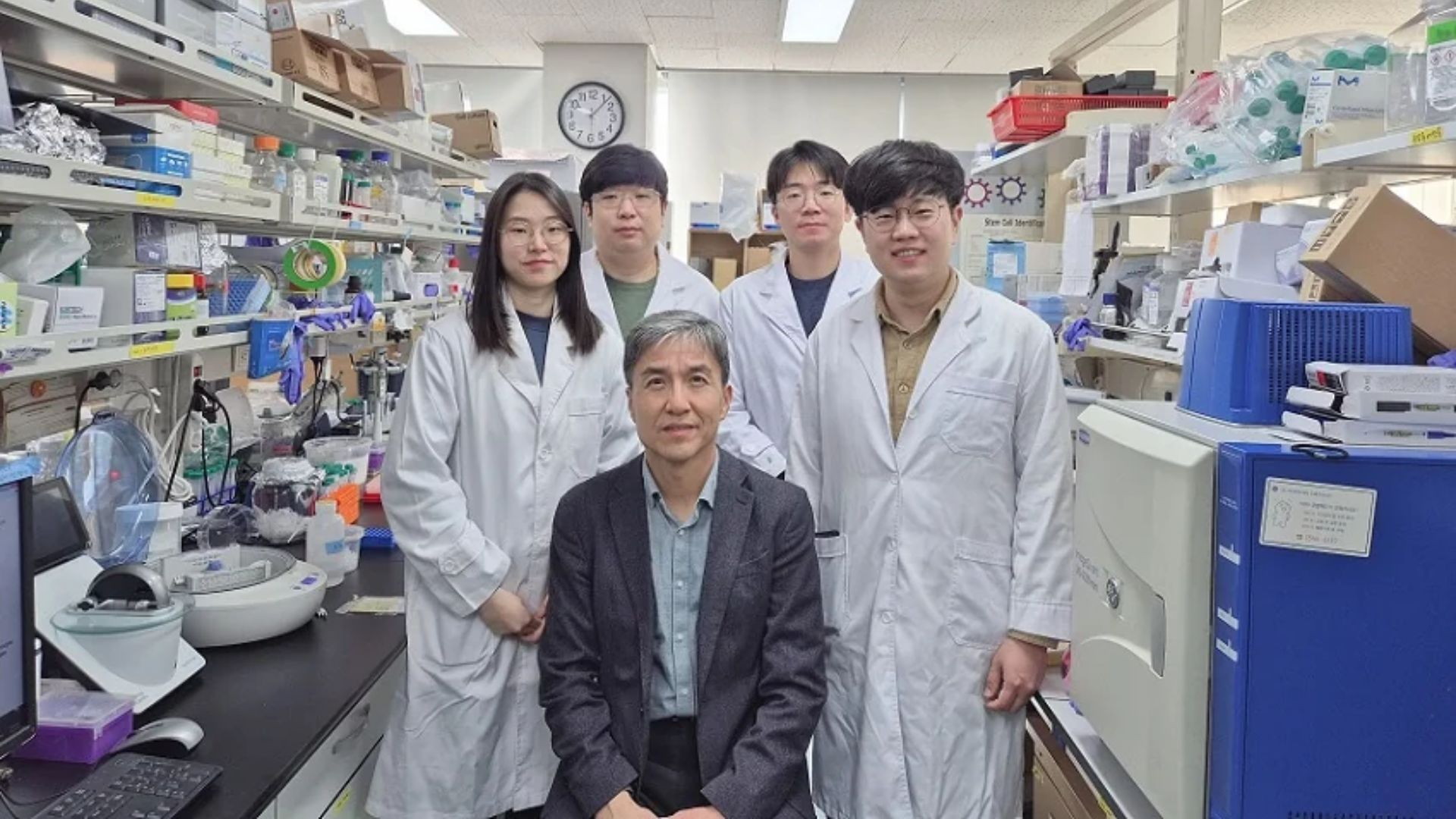
Photo courtesy: Kaist
For decades, cancer treatment has largely focused on removing malignant tumors or destroying the cells that allow them to grow. But researchers in South Korea are exploring a different possibility: changing the behavior of cancer cells so they regain characteristics of healthy tissue.
Scientists at the Korea Advanced Institute of Science and Technology (KAIST), led by Professor Kwang-Hyun Cho, have developed a computational approach that identifies genetic regulators capable of redirecting colorectal cancer cells toward a more normal state.
Their findings, first published online in the international scientific journal Advanced Science on December 11, 2024, have contributed to a growing field of research known as cancer reversion therapy.
Unlike conventional treatments that primarily target cancer cells for elimination, this experimental approach seeks to alter the biological processes that sustain their malignant behavior.
Identifying cancer’s molecular switches
Healthy cells undergo a process called differentiation, through which they mature and develop specialized functions. Cancer can disrupt this process, allowing abnormal cells to multiply uncontrollably.
In their study, titled Control of Cellular Differentiation Trajectories for Cancer Reversion, Gong and colleagues developed a computational framework called BENEIN to examine how genes interact as intestinal cells develop.
Using this model, they identified three genetic regulators — MYB, HDAC2 and FOXA2 — that influence the maturation of intestinal cells.
When the researchers simultaneously suppressed these regulators, colorectal cancer cells developed characteristics resembling enterocytes, the specialized cells responsible for absorbing nutrients in the intestines.
Experiments involving three colorectal cancer cell lines and laboratory mice also showed reduced cancer cell proliferation and tumor growth.
The findings suggest that manipulating gene activity could potentially reduce malignant behavior without relying exclusively on the destruction of cancer cells.
A second study identifies another potential target
In January 2025, another study involving Cho’s team and researchers from Seoul National University and South Korea’s National Cancer Center identified an additional potential target for cancer reversion.
Published in Advanced Science, the study, Attractor Landscape Analysis Reveals a Reversion Switch in the Transition of Colorectal Tumorigenesis, introduced a computational framework called REVERT.
The scientists examined the transition between normal and cancerous cell states in organoids — miniature, three-dimensional tissue models grown from patient-derived cells.
They found that inhibiting a protein called USP7 reduced the growth of colorectal cancer organoids and increased the activity of genes associated with normal intestinal tissue.
Although the organoids originated from human tissue, the experiments were conducted outside the human body and did not constitute clinical trials involving patients.
Can cancer cells truly return to normal?
The concept of redirecting cancer cell development already has a precedent in modern medicine.
Differentiation therapy is an established treatment approach for acute promyelocytic leukemia, a subtype of blood cancer.
According to the US National Cancer Institute, all-trans retinoic acid, often combined with arsenic trioxide, helps abnormal leukemia cells mature and is an important component of treatment.
Applying similar principles to solid tumors, however, presents additional challenges.
A December 2025 scientific review titled Cancer Reversion Therapy: Prospects, Progress and Future Directions, published in Current Issues in Molecular Biology, identified several obstacles.
These include the ability of cancer cells to change their characteristics, differences among cells within the same tumor and difficulties delivering treatments to solid tumors.
An August 2026 scientific commentary, Reprogramming Cancer at the Tipping Point, published in the Journal of the National Cancer Center, also examined the two South Korean studies.
The authors emphasized that reduced tumor growth and the appearance of normal cellular characteristics do not necessarily establish permanent cancer reversal. Researchers must demonstrate that treated cells remain non-malignant even after the intervention is withdrawn.
This distinction is particularly important because changing how genes behave does not necessarily repair the underlying genetic mutations associated with cancer.
Why colorectal cancer research matters
Colorectal cancer, which affects the colon and rectum, remains a major public health concern in both the Philippines and Canada.
The International Agency for Research on Cancer’s (IARC) GLOBOCAN 2024 estimates, released in July 2026, identified colorectal cancer as the third most frequently diagnosed cancer worldwide, accounting for approximately 9.9% of new cancer cases.
In the Philippines, an estimated 17,462 new cases and 9,302 deaths were attributed to colorectal cancer in 2024, making it the country’s second most commonly diagnosed cancer, according to the IARC Global Cancer Observatory.
The Canadian Cancer Society, meanwhile, projects approximately 25,300 new colorectal cancer diagnoses and 9,200 related deaths in Canada in 2026.
From laboratory research to patient care
Despite the encouraging experimental findings, the South Korean research has not established a clinically proven treatment for colorectal cancer in humans.
Further studies must determine whether the cellular changes are lasting, whether the intervention can safely reach tumors inside the body and whether it can improve patient outcomes.
Existing treatments and early detection remain essential.
The Canadian Cancer Society’s screening recommendations advise individuals aged 45 to 74 who are not at high risk of colorectal cancer to undergo a stool test every two years, although eligibility for publicly organized screening programs varies by province and territory.
Such tests can detect hidden blood in the stool before symptoms appear. Abnormal results require further investigation, which may include a colonoscopy to identify cancer or remove precancerous growths.