Canada News
Proposed land seizure powers for Alto rail project raise concerns over private property rights

Floyd Brenz., Philippine Canadian Inquirer
November 25, 2026
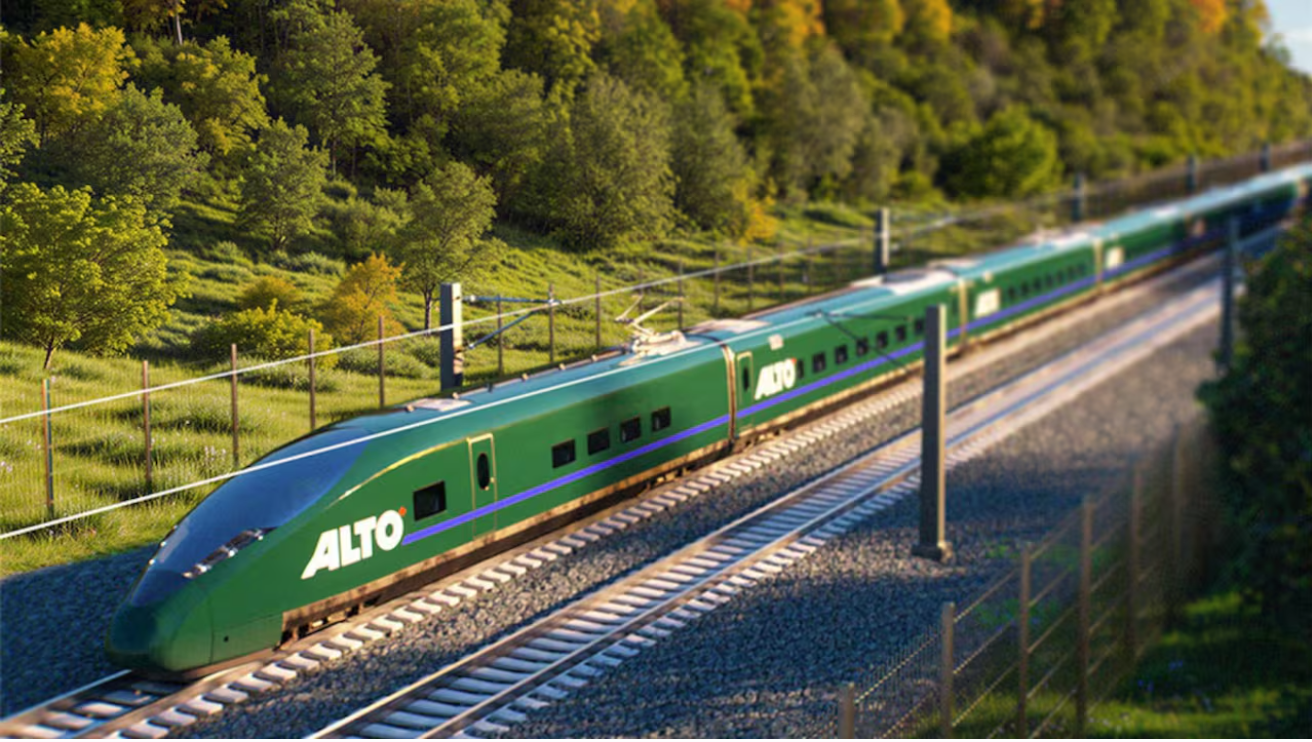
Photo Courtesy: CBC News
The Canadian government’s plan to accelerate its proposed high-speed rail network is facing scrutiny over legislative changes that could expand the project’s authority to acquire private land.
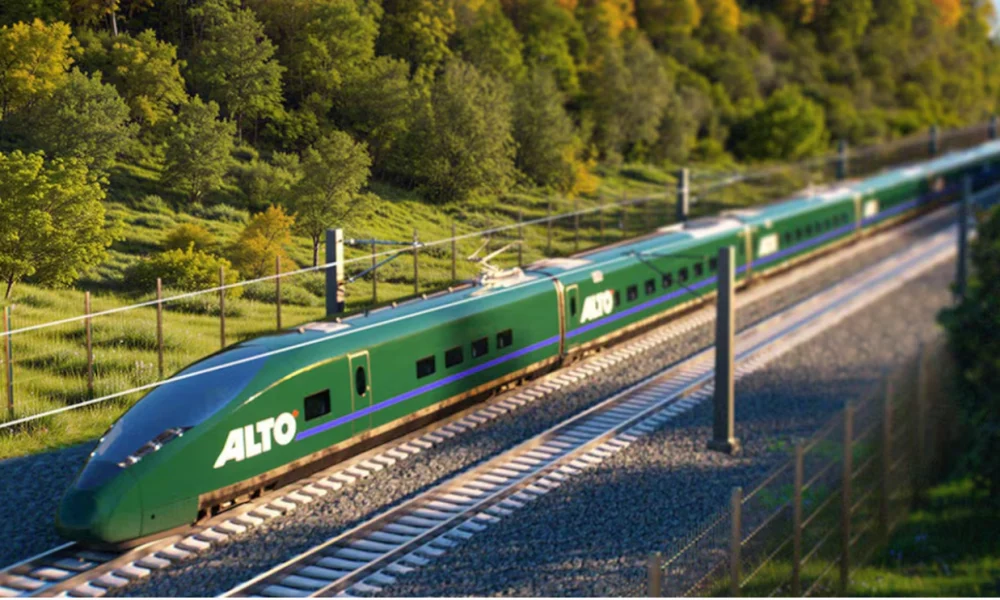
The proposed measures are tied to Alto, the Crown corporation tasked with developing the high-speed rail corridor connecting Toronto and Quebec City.
Under the proposed amendments, Alto could be granted broader powers to secure properties needed for the railway, raising questions about how much control landowners would retain while their properties are being considered for acquisition.
One of the major concerns involves restrictions that could be imposed on properties along the proposed route. These could limit construction, major renovations and other improvements while the government works toward acquiring the land.
The proposal has also drawn attention to the potential impact on agricultural communities, particularly farms that could be divided by the railway. Questions have emerged over property access, crossing arrangements and the process for resolving disputes.
Critics have warned that the expanded authority could weaken protections for property owners and reduce their ability to challenge decisions affecting their land.
The federal government, however, maintains that changes are needed to prevent lengthy acquisition procedures from delaying a major infrastructure project. It has also emphasized that affected property owners are entitled to compensation under applicable laws.
The Alto project is envisioned as a high-speed rail connection serving major population centres in Ontario and Quebec, with trains expected to reach speeds of up to 300 kilometres per hour.
The proposed network is being presented as a major investment in Canada’s transportation infrastructure, with the potential to improve intercity travel, support economic activity and provide an alternative to road and air transportation.
But as the project advances, the debate over land acquisition is highlighting the challenge of balancing national infrastructure development with the property rights of Canadians living along the proposed route.
Note: This is a re-angled draft based on the reported issue. The latest legislative wording and specific provisions should be checked against the CBC article before publication.