
Canada News
Vancouver burger chain closes after 16 years as B.C. restaurants struggle with rising costs

ASM, Philippine Canadian Inquirer
November 24, 2026
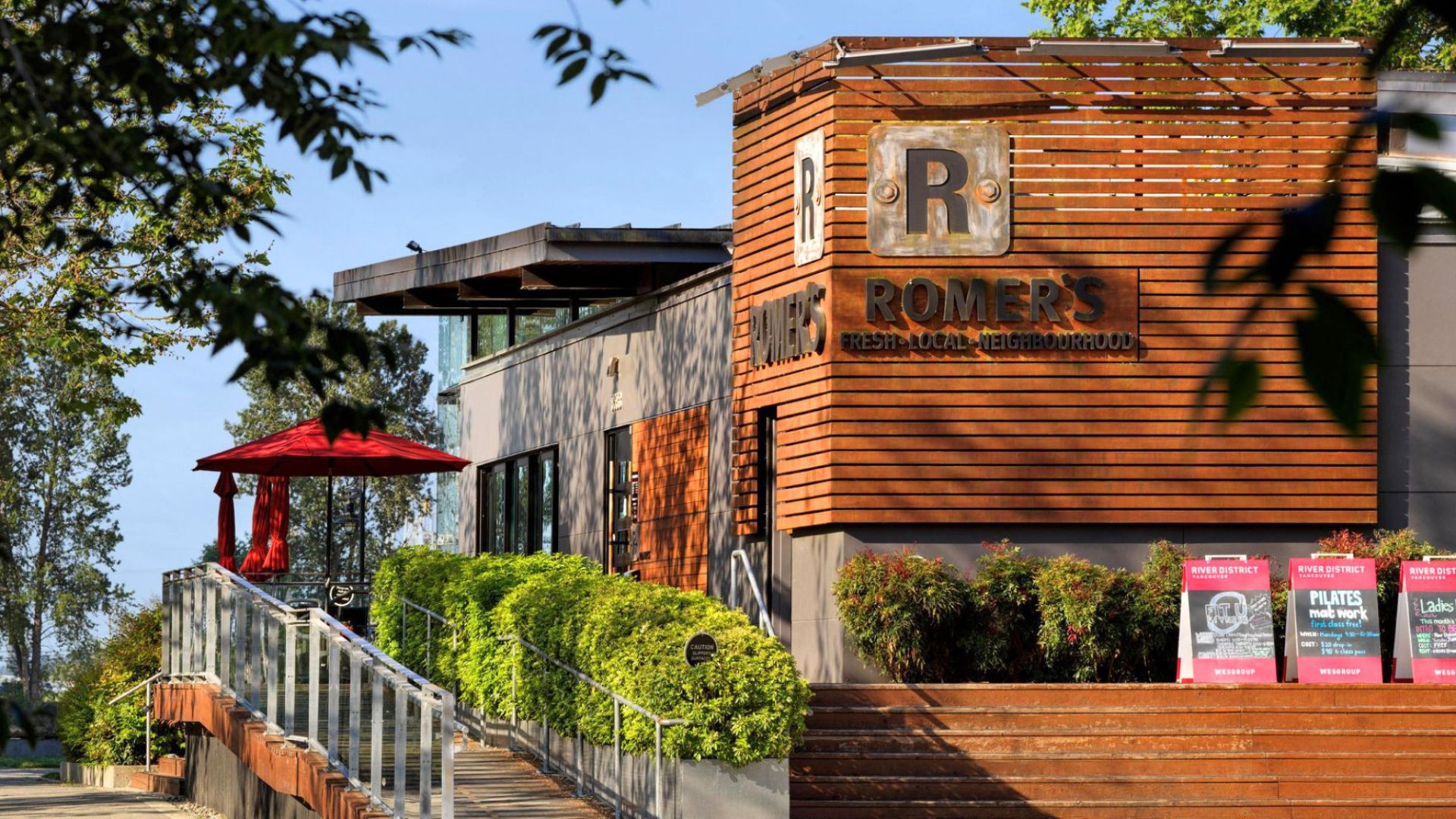
Photo courtesy: Fraserview Towers
Romer’s Burger Bar has permanently closed its burger bar restaurants after 16 years in business, citing financial difficulties as rising operating costs and shrinking profit margins continue to challenge British Columbia’s restaurant industry.
The Vancouver-based chain announced the closures on November 16, saying ongoing financial pressures had made it impossible to continue operating its burger bars.
The announcement marked the end of a longtime neighbourhood dining business known for its burgers and locally sourced ingredients.
Founded in 2010 by chef Jim Romer, the company opened its first location on West Fourth Avenue in Vancouver’s Kitsilano neighbourhood. It later expanded across Metro Vancouver, including restaurants in the River District and North Vancouver’s Lynn Valley.
The original Kitsilano restaurant closed in 2024, while the remaining burger bar locations shut down this month.
Steamship Grill and Bar in Victoria, which operated under the same parent company, also permanently closed after nearly 13 years.
Romer’s Fresh Kitchen & Bar at Vancouver International Airport, however, was reported to be operating separately following the closures. Its continued operation was confirmed in local reporting, although the long-term status of the Romer’s name at that location was not established.
Rising costs squeeze restaurant operators
The closures come as restaurants across British Columbia face growing financial pressures from food prices, labour expenses and cautious consumer spending.
Ian Tostenson, president and CEO of the B.C. Restaurant and Foodservices Association (BCRFA), told CBC News that Romer’s closure was particularly concerning because the business was managed by experienced restaurant operators.
He said restaurant sales in the province had increased by nearly six per cent in 2026. Much of that growth, however, reflected higher menu prices rather than a substantial increase in customer traffic.
Restaurants have been adjusting their prices to cover expenses, but higher bills can also discourage customers from dining out.
The financial challenges extend beyond British Columbia.
According to a 2026 report by Restaurants Canada, 36 per cent of restaurant operators were operating at a loss or breaking even. That was three times the proportion recorded in 2019.
The report also found that 49 per cent of operators had experienced lower sales during the year, while 54 per cent reported serving fewer customers.
Food and labour expenses remained major concerns, with 91 per cent of operators identifying food costs as a challenge and 87 per cent citing labour costs.
Thin profit margins leave little room for recovery
For many restaurant owners, even millions of dollars in annual sales do not necessarily translate into substantial profits.
The BCRFA estimates that a restaurant in British Columbia generating $2 million in yearly sales could retain only $60,000 in pre-tax profit. That represents a margin of just three per cent.
The association also estimates that approximately $300,000 of such a restaurant’s annual revenue goes toward government taxes, liquor markups, licensing and other charges.
With limited earnings left after expenses, unexpected cost increases or a decline in customer spending can quickly put a business under financial strain.
Restaurant closures can also affect workers, suppliers and neighbouring businesses that depend on customer activity.
According to the BCRFA, British Columbia’s restaurant industry includes approximately 15,000 establishments and employs about 190,000 people.
The sector generates an estimated $21 billion in annual revenue and contributes roughly $1.4 billion to provincial government revenues through taxes, liquor markups and other fees.
The closure of Romer’s illustrates how difficult it has become for established businesses to remain profitable despite years of experience and an existing customer base.
The industry’s financial pressures are also reflected in Restaurants Canada’s 2026 findings: 54 per cent of surveyed operators reported fewer guests, while 71 per cent said their profitability had declined.
Those figures show that the challenge extends beyond individual restaurant closures to the industry’s ability to attract customers and cover operating costs.