Canada News
Federal hearing ends on proposal to export Powell River electricity to the United States for 30 years

Floyd Brenz., Philippine Canadian Inquirer
November 22, 2026
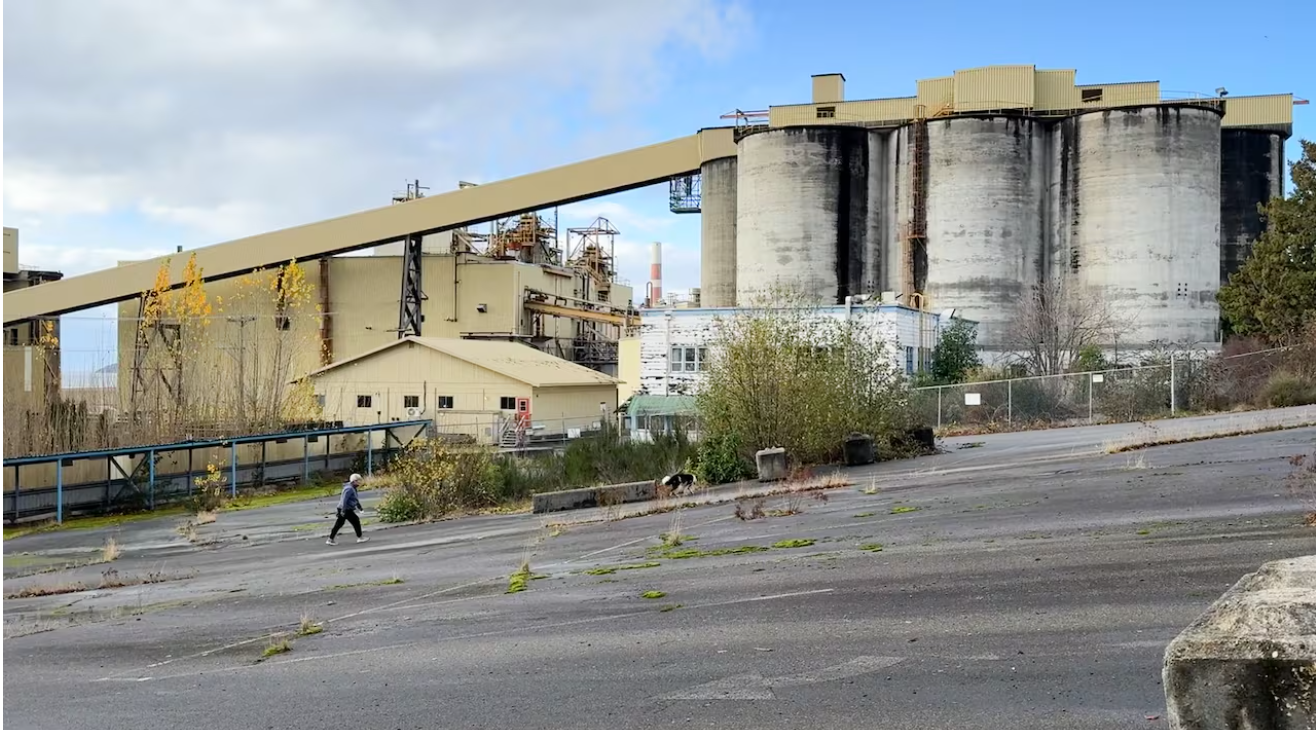
Photo Courtesy: CBC News
A controversial proposal to export all electricity generated by two hydroelectric facilities in Powell River, British Columbia, to the United States for the next 30 years is now awaiting a decision from federal regulators following the conclusion of a weeklong hearing.
Powell River Energy Inc. (PREI), a subsidiary of Brookfield Renewable Partners, is seeking authorization from the Canada Energy Regulator (CER) to secure a long-term export licence for power produced by its facilities at Powell Lake and Lois Lake.
The electricity previously supplied a local pulp and paper mill, which closed in 2021. Since then, the company has been exporting all power generated by the facilities to the United States.
The proposed agreement has drawn opposition from local governments, Indigenous representatives and community organizations, which argue that the electricity should instead support economic development in the region.
The Tla’amin First Nation and the Cranberry Business Group, which took over the former mill site, say access to the power supply is important to attracting new industrial businesses and restoring jobs lost after the mill shut down.
During the hearing, PREI maintained that a 30-year agreement would provide the financial certainty needed to secure funding for upgrades to its facilities. The company also said its operations contribute approximately $10 million in taxes and other revenue to the region.
However, BC Hydro challenged the company’s claim that it had provided fair access to the electricity for potential Canadian buyers. Its lawyer questioned the transparency of PREI’s negotiations, alleging inconsistencies in the information presented during the proceedings.
PREI, for its part, said it spent two years negotiating with BC Hydro but failed to reach an agreement because the Crown corporation did not offer competitive prices and terms.
The Tla’amin Nation also raised concerns over the possible impact of the export licence on its Aboriginal title rights, territory and future economic plans. Its representatives argued that keeping the electricity available locally is important to the development of the former mill site.
The five-day hearing, which concluded on November 20, was the first time the Canada Energy Regulator conducted an oral hearing for an electricity export application.
The regulator received more than 2,500 written submissions opposing the proposal when it was initially filed.
The CER is expected to issue its decision within approximately 12 weeks after the hearing, although the final outcome will determine whether PREI can secure the requested long-term export authorization.