Canada News
Canada expands trade ties in Asia as negotiations with U.S. remain unresolved

ASM, Philippine Canadian Inquirer
November 20, 2026
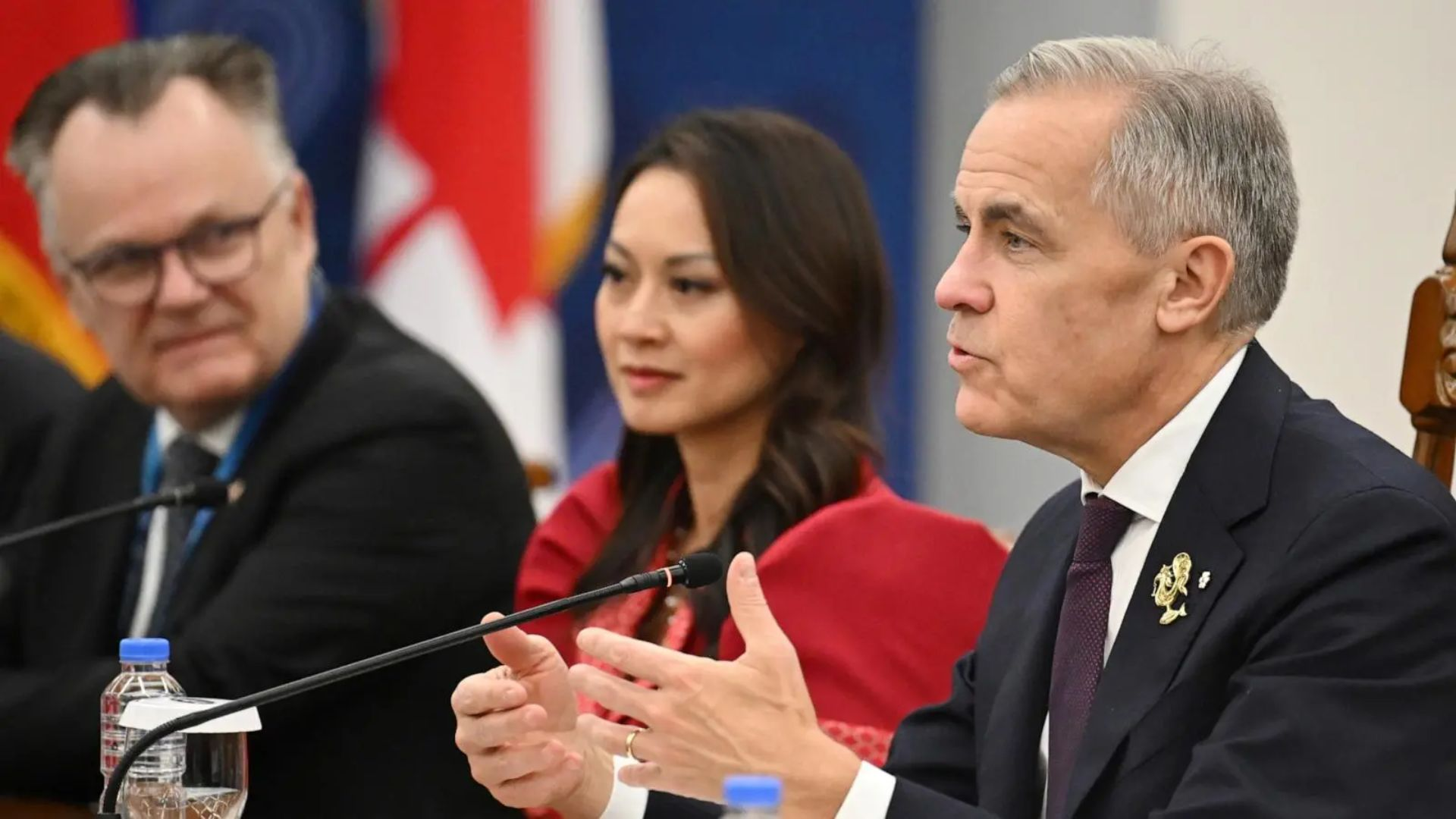
Photo courtesy: A47 News
Canada is expanding its economic partnerships across Asia as trade negotiations with the United States remain unresolved, with Prime Minister Mark Carney securing new market opportunities and advancing trade agreements during a diplomatic tour that included the Philippines and China.
The developments highlight Ottawa’s efforts to reduce its economic dependence on Washington while maintaining negotiations with its largest trading partner.
Carney’s latest diplomatic engagements came amid continued tensions over U.S. tariffs on Canadian goods. His government has identified trade diversification as a central economic priority, seeking greater access to markets beyond North America.
Canada aims to double its exports to countries outside the United States by 2035, a target Carney says the country is already ahead of schedule to achieve.
Approximately one-third of Canadian export dollars now come from non-U.S. markets, the highest proportion in four decades, according to the prime minister.
Trade talks with Washington remain unfinished
Despite growing commercial ties elsewhere, Canada continues to pursue a trade agreement with the administration of U.S. President Donald Trump.
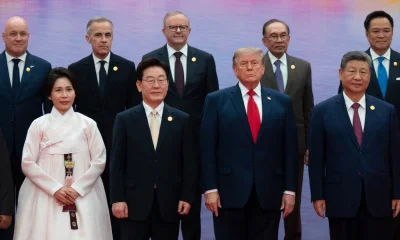
Carney met Trump on the sidelines of the Asia-Pacific Economic Cooperation (APEC) summit in Shenzhen, China, on November 18.
The two leaders discussed ongoing negotiations aimed at reaching an agreement that would support employment, improve affordability and respect Canada’s economic and cultural interests.
Both agreed to continue discussions, but no new agreement was announced.
Several trade issues remain unresolved, including U.S. tariffs on Canadian automobiles.
Canada’s chief trade negotiator, Janice Charette, briefed a federal advisory committee on outstanding issues on November 19, according to accounts from people familiar with the discussions.
Canadian officials have indicated that negotiations remain difficult, although the possibility of an interim agreement is still being explored.
New agreements open opportunities in Southeast Asia
While negotiations with Washington continue, Canada has made progress on trade agreements with the Philippines and the Association of Southeast Asian Nations (ASEAN).
During his visit to Manila for the 49th ASEAN Summit, Carney announced the conclusion of negotiations for a bilateral free trade agreement with the Philippines.
Both countries are targeting its signing in 2027.
Once implemented, the agreement could increase Canadian exports to the Philippines by up to three times by 2035, particularly in agriculture, forestry and other industries.
Canada also announced the substantial conclusion of negotiations toward a broader free trade agreement with ASEAN, a regional bloc with nearly 700 million people.
The Canadian government estimates that the proposed ASEAN agreement could add nearly C$2 billion to its economy and support approximately 14,000 jobs.
The agreements have not yet entered into force and must undergo the remaining formal procedures before their anticipated economic benefits can be realized.
China offers additional tariff relief
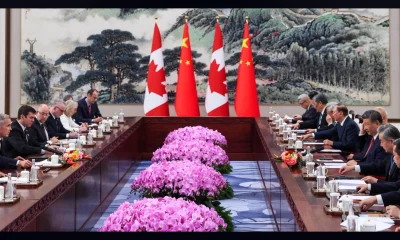
Canada also secured further trade concessions from China following Carney’s meeting with President Xi Jinping in Shenzhen on November 17.
Beijing agreed to expand tariff relief covering approximately C
400million,orUS280 million, in Canadian exports, primarily pork and seafood products.
In exchange, Canada agreed to extend tariff exemptions on certain Chinese steel and aluminum products and expand the exemptions to additional categories where domestic supply is insufficient.
The arrangement builds on earlier efforts to restore access to China’s market for Canadian agricultural and seafood exporters.
According to Ottawa, more than 90% of Canadian exports previously affected by Chinese tariff measures have regained market access, representing nearly C$7.5 billion in trade.
The expanded tariff arrangement will run through December 2028.
Canada seeks wider economic partnerships
Carney also held discussions with the leaders of Singapore, Australia and New Zealand during the APEC summit.
The four countries explored opportunities to expand investment, strengthen supply chains and deepen cooperation through the Comprehensive and Progressive Agreement for Trans-Pacific Partnership (CPTPP).
The trade bloc covers approximately 580 million consumers and accounts for 15.6% of global gross domestic product.
The leaders also discussed cooperation in artificial intelligence governance, economic security and regional defence.
Canada’s growing engagement in Asia is part of a broader effort to develop alternative export destinations and protect businesses from disruptions in international trade.
Diversification does not replace U.S. trade
Despite these developments, the United States remains Canada’s largest trading partner, and stronger relationships in Asia do not eliminate the economic importance of cross-border trade.
New agreements can provide additional customers for Canadian exporters, but their effects will depend on implementation, market demand and the ability of businesses to expand operations overseas.
Carney has continued to emphasize the importance of maintaining a workable economic relationship with Washington alongside Canada’s efforts to develop new international partnerships.
The next steps include continuing negotiations with the Trump administration and completing the Canada-Philippines and ASEAN-Canada trade agreements targeted for signing in 2027.
Both Southeast Asian agreements remain unsigned, while Canada and the United States have yet to finalize a new bilateral trade arrangement.