Canada News
Canada, China agree to cut tariffs on US$280M worth of Canadian exports

ASM, Philippine Canadian Inquirer
November 20, 2026
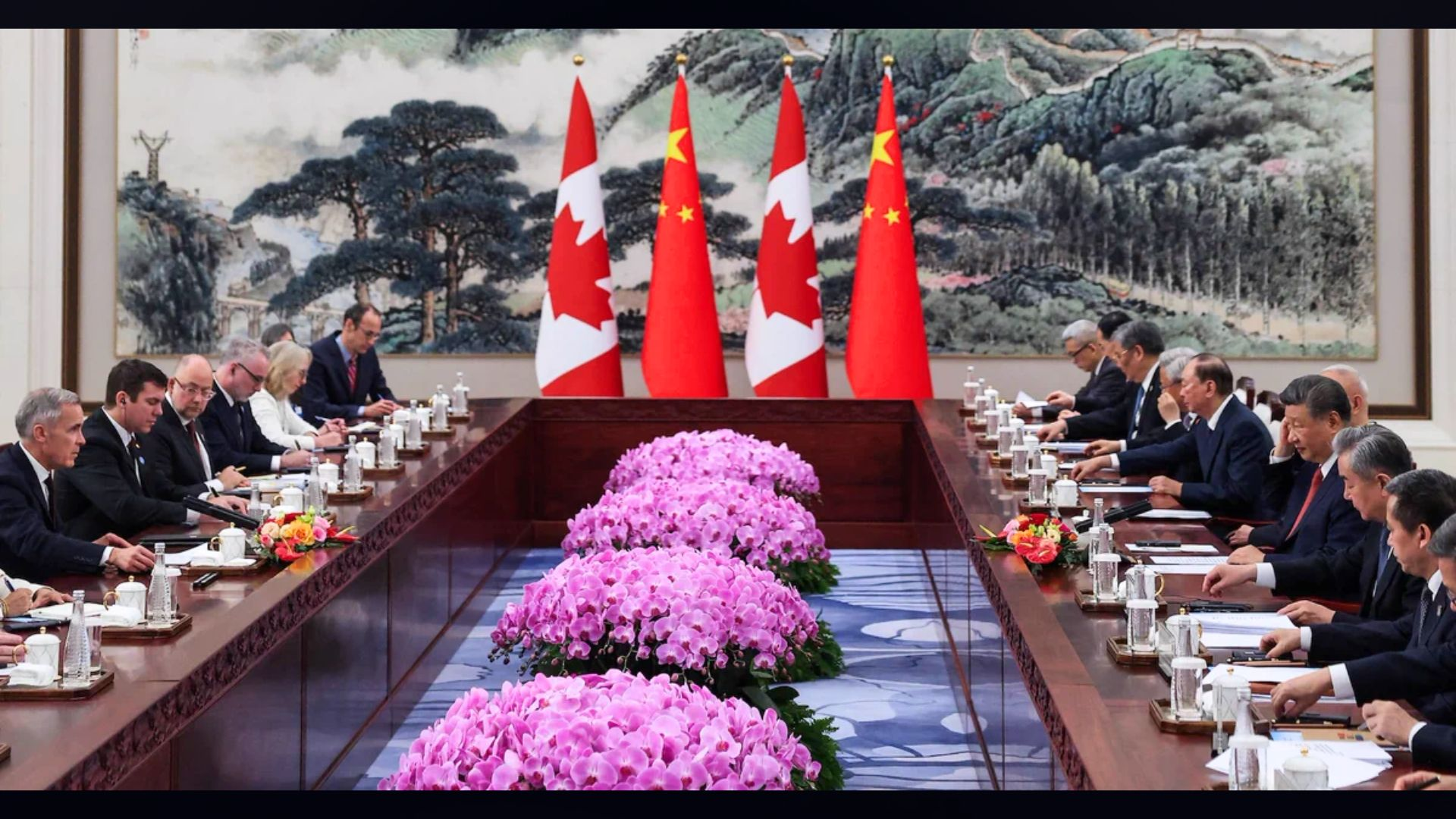
Photo courtesy: Reuters
Canada and China have agreed to further reduce trade barriers, with Beijing offering additional tariff relief on approximately US$280 million (C$400 million) worth of Canadian exports following talks between Prime Minister Mark Carney and Chinese President Xi Jinping.
The agreement, announced after the two leaders met in Shenzhen on November 17, expands market access for Canadian farmers and seafood exporters as Ottawa works to diversify its international trade relationships and reduce its dependence on the United States.
The new measures cover approximately C$116 million in frozen pork exports and C$285 million in fish and seafood products, including Pacific spot prawns, geoduck, sea cucumbers and Greenland halibut.
The expanded arrangement builds on previous tariff reductions covering Canadian agricultural and seafood products, including canola meal, peas, lobster and crab.
Canada offers tariff relief on Chinese steel, aluminum
In exchange, Canada agreed to extend existing tariff exemptions for certain Chinese steel and aluminum products for another two years, until December 31, 2028.
Ottawa will also expand exemptions to 32 additional tariff items, comprising 23 steel products and nine aluminum products, where Canadian supply is insufficient or unavailable.
China, meanwhile, has agreed to suspend the application of its additional tariffs on the newly covered Canadian products from January 1, 2027, through December 31, 2028.
The reciprocal measures are part of an expanded bilateral trade arrangement intended to improve market access and address longstanding trade restrictions between the two countries.
Canada looks to strengthen trade ties with China
The latest agreement follows Carney’s visit to Beijing in January 2026, when he and Xi launched a renewed strategic partnership aimed at stabilizing economic relations and expanding cooperation in trade and clean energy.
Since then, Canada has regained access to the Chinese market for more than 90% of Canadian exports previously affected by tariff measures, representing nearly C$7.5 billion in trade, according to the Prime Minister’s Office.
Carney said bilateral relations have become more predictable and stable, allowing both countries to pursue additional economic opportunities.
Canada is also ahead of schedule in its goal of increasing exports to China by 50% by the end of the decade.
The renewed engagement comes as Canada faces continued trade tensions with the United States, its largest trading partner, following tariffs imposed by President Donald Trump’s administration.
Expanding trade with China is part of Carney’s broader strategy to strengthen Canada’s position in global markets while maintaining its economic relationship with Washington.
More trade and investment initiatives planned
Beyond tariff reductions, Carney and Xi discussed opportunities to expand cooperation in agriculture, energy, financial services, tourism and emerging technologies.
Canada announced plans to send a major trade mission to China in 2027 to connect Canadian companies with Chinese businesses and potential investors.
The two countries also agreed to promote digital trade through a Canada-China Year of e-Commerce in 2027, aimed at helping Canadian small and medium-sized businesses enter the Chinese market.
Additional initiatives include expanded direct flights between the two countries, educational exchanges and commercial partnerships in the arts and cultural sectors.
Air Canada plans to launch flights between Vancouver and Guangzhou in May 2027, while Canadian businesses have signed more than C$15 million worth of commercial agreements in the arts and culture sector.
The expanded tariff arrangement will remain in place through December 2028, with both governments committing to further discussions on reducing trade restrictions.
China’s additional tariff relief covering Canadian pork and seafood will take effect on January 1, 2027, giving exporters access to lower trade barriers under the two-year agreement.