Canada News
Toronto imposes hiring freeze amid $1.1-billion budget shortfall

ASM, Philippine Canadian Inquirer
November 15, 2026
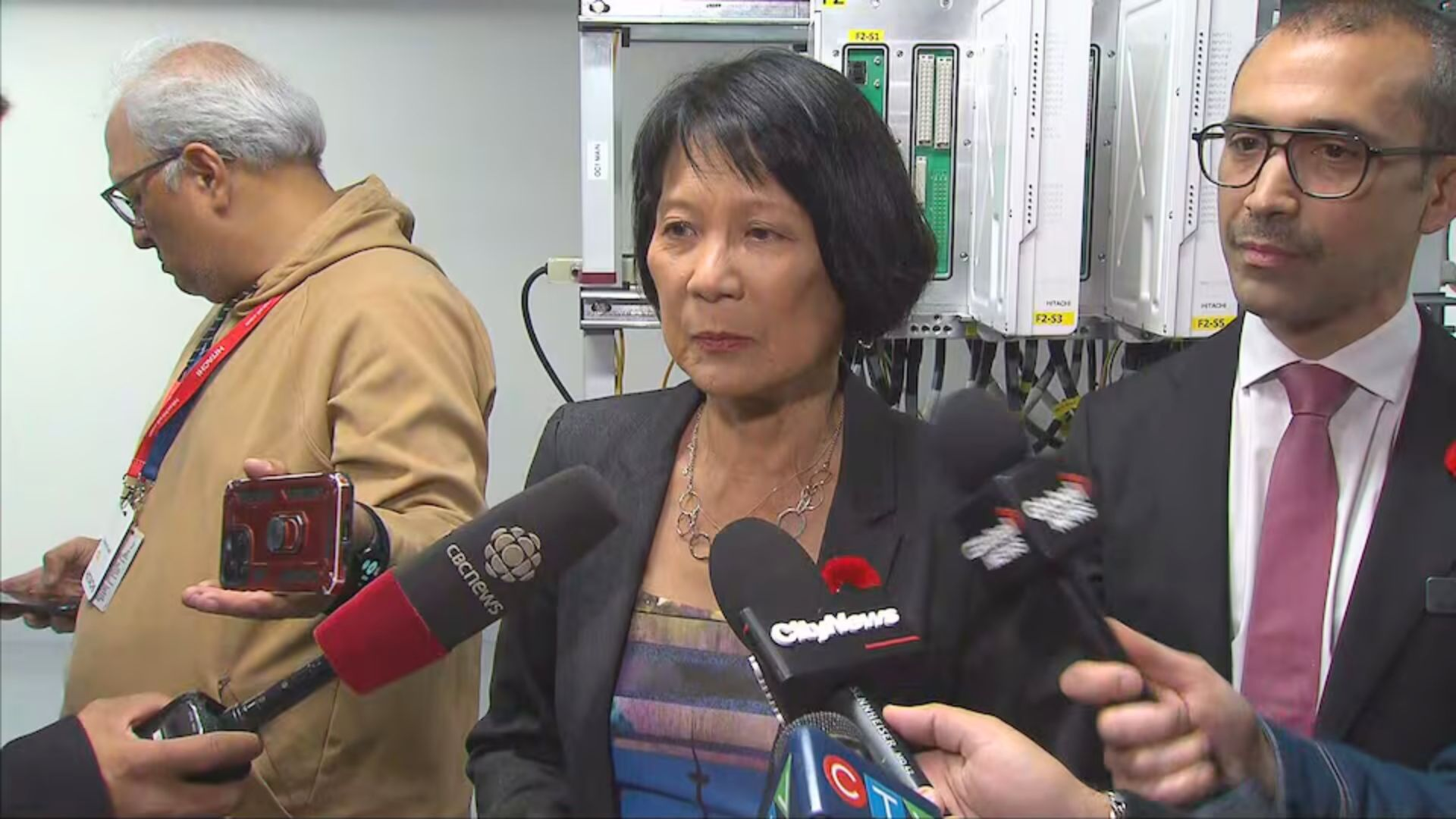
Photo courtesy: CTV News
Toronto has imposed a hiring freeze on most municipal positions as the city prepares to address a projected $1.1-billion shortfall in its 2027 budget, putting pressure on local finances and spending plans.
Mayor Olivia Chow confirmed the measure on November 6, saying the city would continue hiring essential frontline workers while temporarily suspending recruitment for most non-frontline positions.
Firefighters, paramedics and community crisis workers are among those exempt from the freeze, ensuring that essential emergency services can continue recruiting staff.
The hiring restrictions also apply to recruitment processes already underway, except where job offers have been made. Certain positions may still be filled when required by legislation, operational demands or essential service needs.
City spokesperson Russell Baker said the restrictions were introduced to reduce spending amid growing financial pressures. The city expects the measure to generate savings in 2026, with additional savings anticipated in 2027.
Chow said Toronto introduced a similar hiring freeze in 2025, which generated millions of dollars in savings. The city plans to conduct another detailed review of its spending to identify areas where costs can be reduced without disrupting frontline services.
The decision comes as Ontario Premier Doug Ford has ruled out another comprehensive funding agreement with Toronto.
Under a financial agreement reached in November 2023, the Ontario government committed $1.2 billion in operating support over three years and agreed to assume responsibility for the Gardiner Expressway and Don Valley Parkway.
That operating assistance is approaching its end, creating additional uncertainty over how Toronto will finance transit, shelters and other municipal services in the coming year.
Ford has indicated that the province remains open to discussing funding for specific priorities rather than negotiating another broad financial package.
Chow, meanwhile, has said negotiations with Ontario will continue on individual issues as the city seeks longer-term solutions to its financial challenges.
Toronto’s budget pressures are also being driven by structural financial challenges, weaker real estate-related revenues and transit funding concerns.
The Toronto Transit Commission (TTC) faces a projected $379-million funding gap in 2027 as provincial operating support expires. That shortfall adds to the city’s broader financial difficulties.
Municipal financial documents also indicate that Toronto’s projected $1.1-billion budget gap could increase by nearly $500 million without additional funding or adjustments.
Chow has pledged to keep property tax increases at or near the rate of inflation, limiting one potential source of additional revenue as officials prepare the city’s 2027 budget.
Toronto is required to balance its operating budget, meaning city officials must identify sufficient revenue, savings or spending adjustments to address the projected shortfall.