Headline
Beyond the medals: What China’s sports system can teach the Philippines about supporting athletes

ASM, Philippine Canadian Inquirer
November 09, 2026
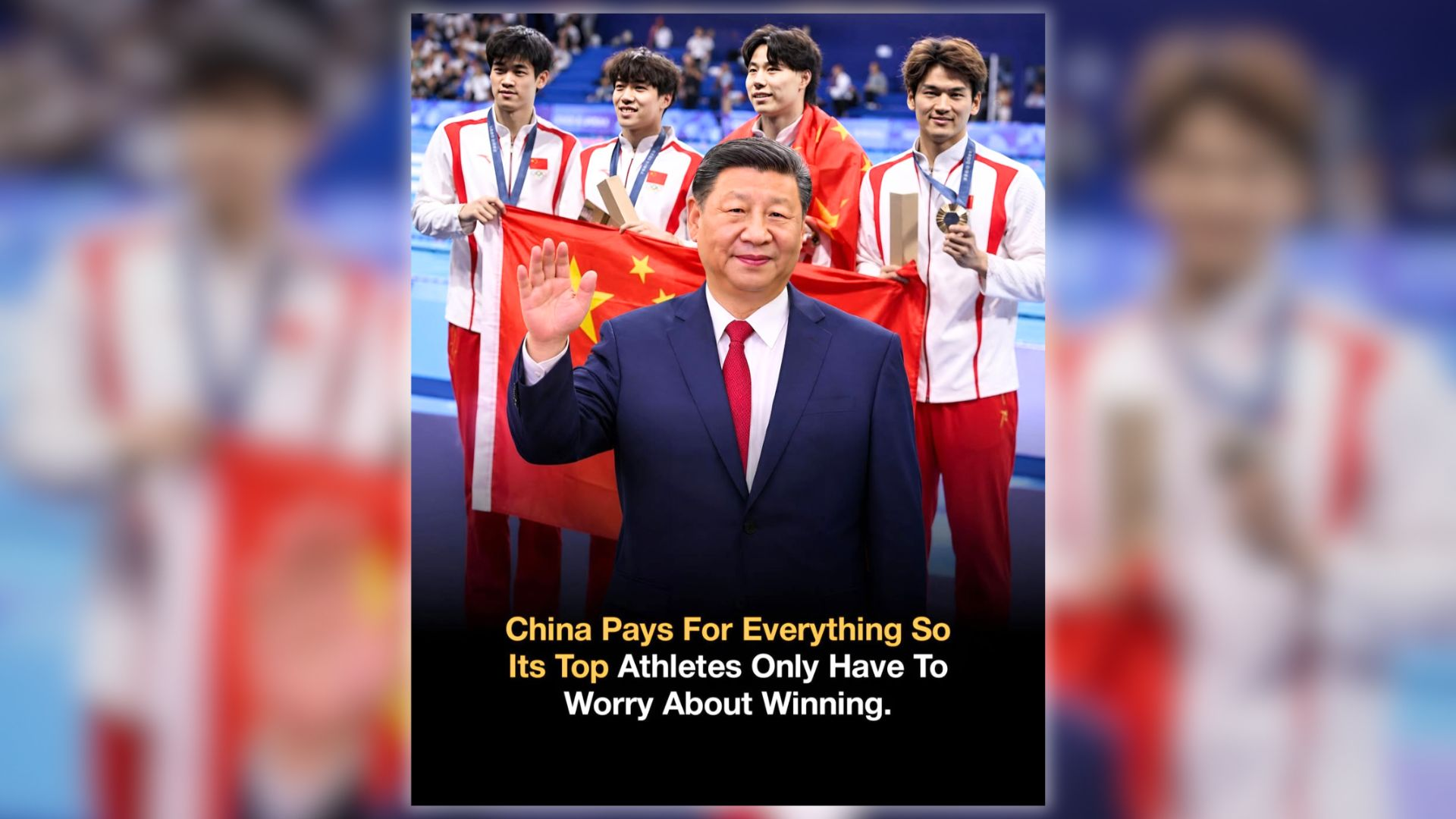
Photo courtesy: Master Builder
MANILA, Philippines — Behind every Olympic medal are years of training, sacrifice and financial support. But while athletes carry the pressure of representing their country, the support they receive can differ greatly depending on where they compete.
In China, the government has built a sports development system designed to identify talent early and prepare athletes for international competition. The approach has helped the country produce champions in gymnastics, diving and weightlifting.
For the Philippines, China’s experience offers a lesson in how sustained investment can develop sporting talent. However, it also raises questions about the personal cost of pursuing medals at an early age.
How China’s sports system works
China’s approach is known as juguo tizhi, often translated as the “whole-nation system.”
Under this model, government institutions coordinate resources, facilities and training programs to develop elite athletes.
Children who show sporting potential may enter specialized sports schools, where coaches guide their development from an early age.
Those who perform well can advance to provincial teams and eventually earn places in national training programs.
The system allows selected athletes to devote much of their time to training rather than finding ways to finance their sporting careers.
Depending on their level and program, athletes may receive accommodation, meals, salaries, training support and access to medical services.
China also provides financial rewards for sporting achievements and has policies supporting athletes as they transition into retirement.
However, these benefits vary. A successful sporting career does not guarantee a coaching position or permanent financial security.
The personal cost of producing champions
China’s sports system has delivered international success, but its demands have also attracted criticism.
Young athletes in specialized programs can spend years following strict training schedules. For some, the commitment means spending less time with their families and balancing education with intensive physical preparation.
The consequences can become more difficult when athletes leave competitive sports.
In 2007, China Sports Daily estimated that nearly 80% of approximately 300,000 retired Chinese athletes faced difficulties involving injuries, unemployment or poverty. The historical estimate highlighted concerns about life after competition, but it does not reflect current conditions.
The figure reflected concerns raised at the time and should not be treated as a current measure of conditions among retired Chinese athletes.
The experiences of former athletes also prompted discussions about education, career preparation and retirement support.
Over the years, Chinese authorities have introduced reforms aimed at improving academic instruction in sports schools and helping athletes prepare for employment after competition.
Yet the challenge remains significant: athletes who spend much of their youth preparing for competition also need opportunities to build careers outside sports.
What support do Filipino athletes receive?
The Philippines has its own system of government assistance for national athletes.
Through the Philippine Sports Commission (PSC), qualified athletes receive monthly allowances, access to training facilities and other forms of support.
Republic Act No. 10699, or the National Athletes and Coaches Benefits and Incentives Act, also provides benefits for eligible athletes and coaches.
The law also provides medical assistance, health insurance, scholarship opportunities and housing-related benefits for qualified national athletes. Eligible medal-winning athletes and coaches may also receive retirement benefits based on their accumulated cash incentives.
For Olympic gold medalists, the statutory cash incentive is ₱10 million.
Meanwhile, the PSC announced an across-the-board ₱5,000 increase in monthly allowances for national athletes and coaches in 2025.
The increase was part of the agency’s efforts to improve athlete welfare and strengthen the country’s sports development programs.
These measures show that government support already exists. However, the amount and type of assistance depend on an athlete’s classification, eligibility and program.
Beyond funding: Building long-term support
Comparing the two countries also highlights a wider question about sports development.
Financial incentives can reward outstanding performances. However, athletes need support long before they reach a podium.
Training facilities, qualified coaches, proper nutrition and access to medical care all contribute to athletic development.
Education and career preparation are equally important, especially for athletes whose competitive careers end early.
China’s experience shows what a coordinated sports development system can achieve. At the same time, its history demonstrates the risks of focusing heavily on results without providing sufficient opportunities beyond competition.
For the Philippines, the comparison is not simply about increasing medal incentives or adopting China’s training structure.
It also involves examining how existing programs reach athletes, how consistently assistance is delivered and what happens when their sporting careers end.
The country’s current laws already recognize the importance of medical care, education and retirement benefits. Their implementation remains an important part of athlete welfare.
Supporting athletes beyond competition
China’s whole-nation system places substantial responsibility for elite sports development on government institutions.
The Philippine approach also involves public investment, alongside support from national sports associations and other organizations.
Both models face the challenge of preparing athletes for demanding international competition while protecting their long-term well-being.
China has introduced measures to improve education and employment support for retired athletes. In the Philippines, the PSC continues to implement allowance programs and benefits under existing laws.
The comparison underscores an important issue for sports development: the quality of an athlete’s career should not be measured only by medals, but also by the opportunities and protections available before, during and after competition.