Headline
Pet cremation: What owners should know about the process and their rights

Floyd Brenz., Philippine Canadian Inquirer
November 04, 2026
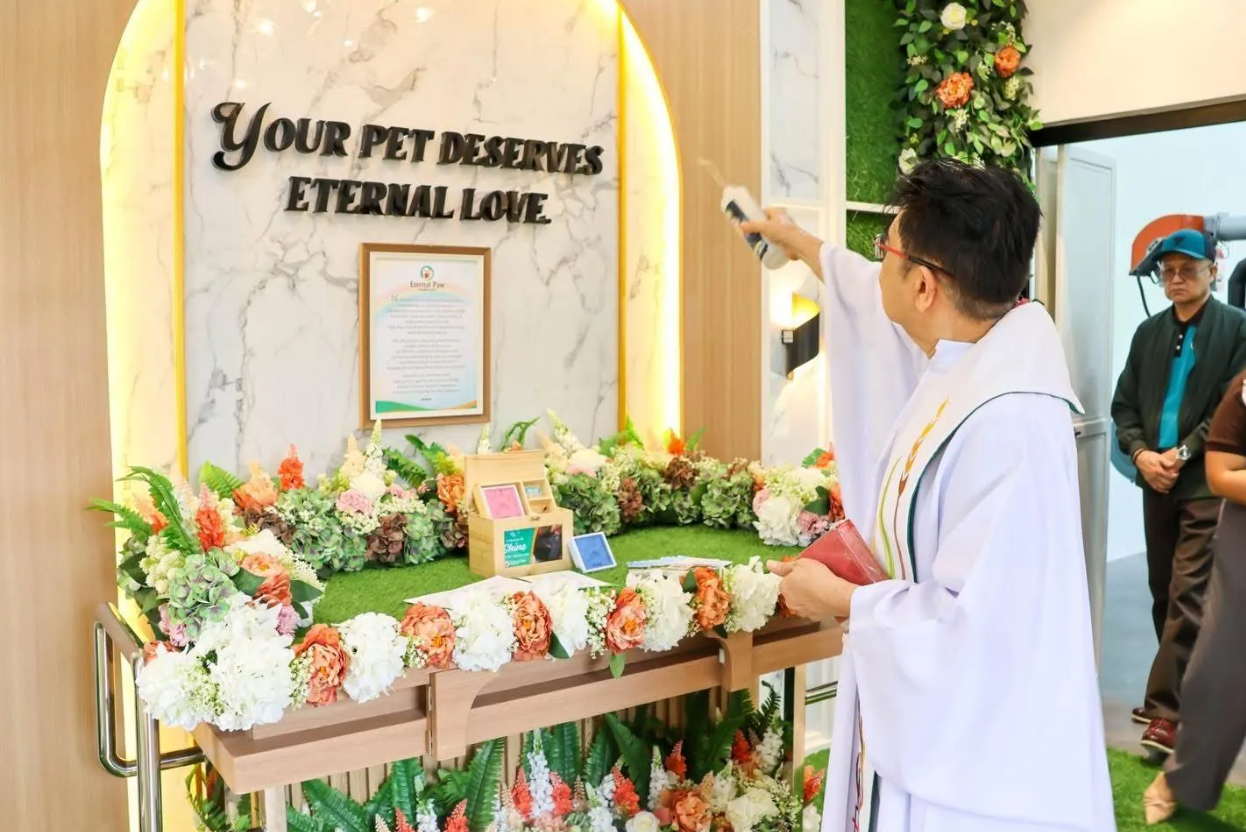
Photo courtesy of Eternal Paw Crematory
For many pet owners, saying goodbye to a beloved animal does not end with its passing. Cremation has become an option for families who want to give their pets a dignified farewell and keep their remains as a lasting remembrance.
But recent allegations involving a pet crematorium in Cavite have raised questions about how the industry operates and whether customers can be certain that the service they paid for was actually performed.
Pet cremation generally involves exposing an animal’s remains to high temperatures in specialized equipment, reducing them to bone fragments that are then processed into what is commonly called ashes or cremains.
Some facilities offer individual cremation, allowing owners to receive the remains of their own pets. Others provide communal cremation, in which several animals are cremated together and the ashes are not returned individually.
Depending on the provider, services may include viewing before cremation, urns, certificates, photographs, paw impressions and other keepsakes.
The cost can vary based on the animal’s weight, the type of cremation and additional services. Some providers also offer alternatives such as water-based cremation.
However, the recent controversy has highlighted the importance of checking a facility’s credentials before entrusting it with a deceased pet.
Authorities have been investigating a Bacoor-based crematorium after the remains of dozens of dogs and cats were discovered dumped in a vacant lot in San Jose del Monte, Bulacan. Some pet owners have questioned whether their animals were actually cremated and whether the ashes returned to them were authentic.
The Philippine Animal Welfare Society has called for a broader investigation into pet crematoriums, stressing that grieving owners deserve transparency and accountability.
Pet owners are being advised to keep receipts, service agreements, cremation certificates, photographs and all communications with the provider. They may also request documentation or recordings of the cremation process, particularly when paying for individual cremation.
If a provider is found to have collected payment through deception without carrying out the promised service, it could face estafa charges under Article 315 of the Revised Penal Code. Improper disposal of animal remains may also violate sanitation and environmental laws.
For pet owners, the issue goes beyond the financial cost of cremation. It concerns the trust placed in businesses expected to handle the remains of animals that many families consider members of their household.
As investigations continue, animal welfare advocates are calling for stronger oversight of the industry to ensure that pet aftercare services are carried out properly and with respect.