
Canada News
Canadian among 69 killed in Spain high-speed train crash, authorities confirm

ASM, Philippine Canadian Inquirer
November 03, 2026
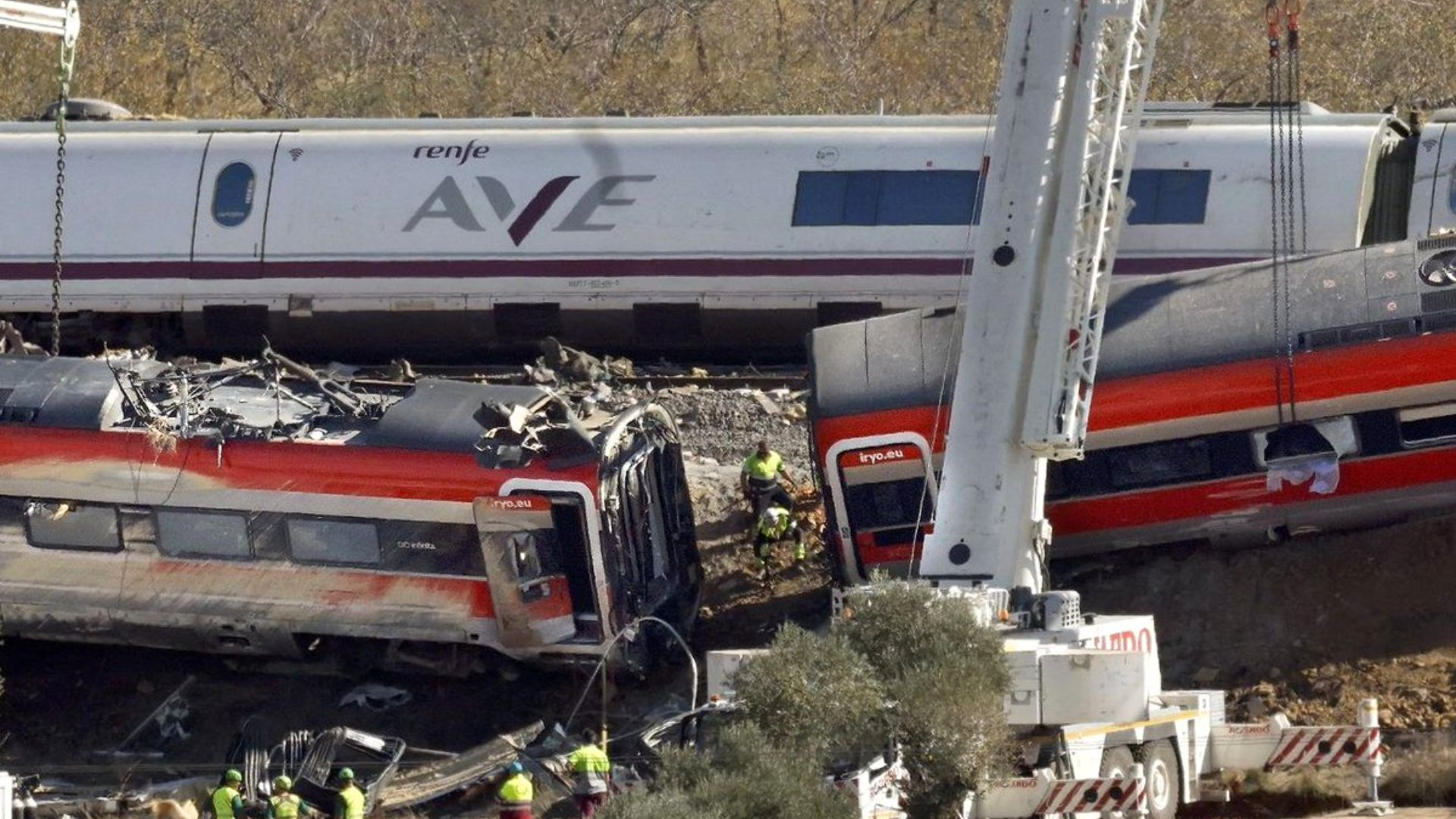
Photo courtesy: Toronto Sun
A Canadian citizen was among 69 people killed in a high-speed train collision in central Spain on October 28, Spanish authorities confirmed as investigators continued examining the country’s second deadly rail disaster this year.
The confirmation came in an update issued Sunday, November 1, by Spanish authorities overseeing the identification of victims. By then, 66 of the 69 people who died had been identified, including 54 Spanish nationals and 12 foreign citizens.
The Canadian victim’s identity has not been publicly released.
Global Affairs Canada had earlier reported that six Canadians were injured and one was missing following the collision. As of the latest Canadian consular update available through November 2, the department had not publicly clarified whether the newly confirmed death involved the Canadian previously reported missing.
Two trains collide near Madrid
The crash occurred on the morning of Wednesday, October 28, near Urda in Spain’s Toledo province, about 130 kilometres south of Madrid.
A high-speed train operated by Spain’s state-owned Renfe struck the rear of a stationary train operated by Iryo on the Madrid–Seville railway line.
Both trains were travelling in the same direction when the collision occurred.
The impact caused severe damage to the trains and prompted a major emergency response involving rescue workers, medical personnel and investigators.
Dozens of passengers were injured, while authorities worked for several days to recover and identify those killed.
Foreign nationals among the victims
Spanish authorities confirmed that four American citizens were among the dead, along with one Canadian and citizens of Argentina, the Czech Republic, France, Japan, Mexico, Portugal and Tunisia.
Three victims remained unidentified in the November 1 update.
Authorities also reported three outstanding missing-person cases involving two Australians and one Japanese citizen.
Families of some victims were expected to travel to Spain to assist with formal identification procedures.
Investigation focuses on railway safety
Investigators are examining the circumstances that allowed one train to proceed while another remained stopped on the tracks.
An automatic safety system had reportedly interrupted train movements along part of the railway line before the collision. Authorities are reviewing subsequent traffic-control decisions and the operation of the signalling system.
No final determination of the cause has been announced.
The collision follows another deadly accident on the Madrid–Seville high-speed line in January 2026, when 46 people were killed near Adamuz in the southern province of Córdoba.
Spanish Prime Minister Pedro Sánchez has pledged an investigation and measures to improve railway safety following the latest disaster.
The October 28 collision has renewed scrutiny of safety procedures on Spain’s high-speed railway network, as investigators continue working to establish what went wrong.




















