Canada News
B.C. premier-designate Doerkson targets $14B deficit, pushes West Coast oil pipeline

ASM, Philippine Canadian Inquirer
October 30, 2026
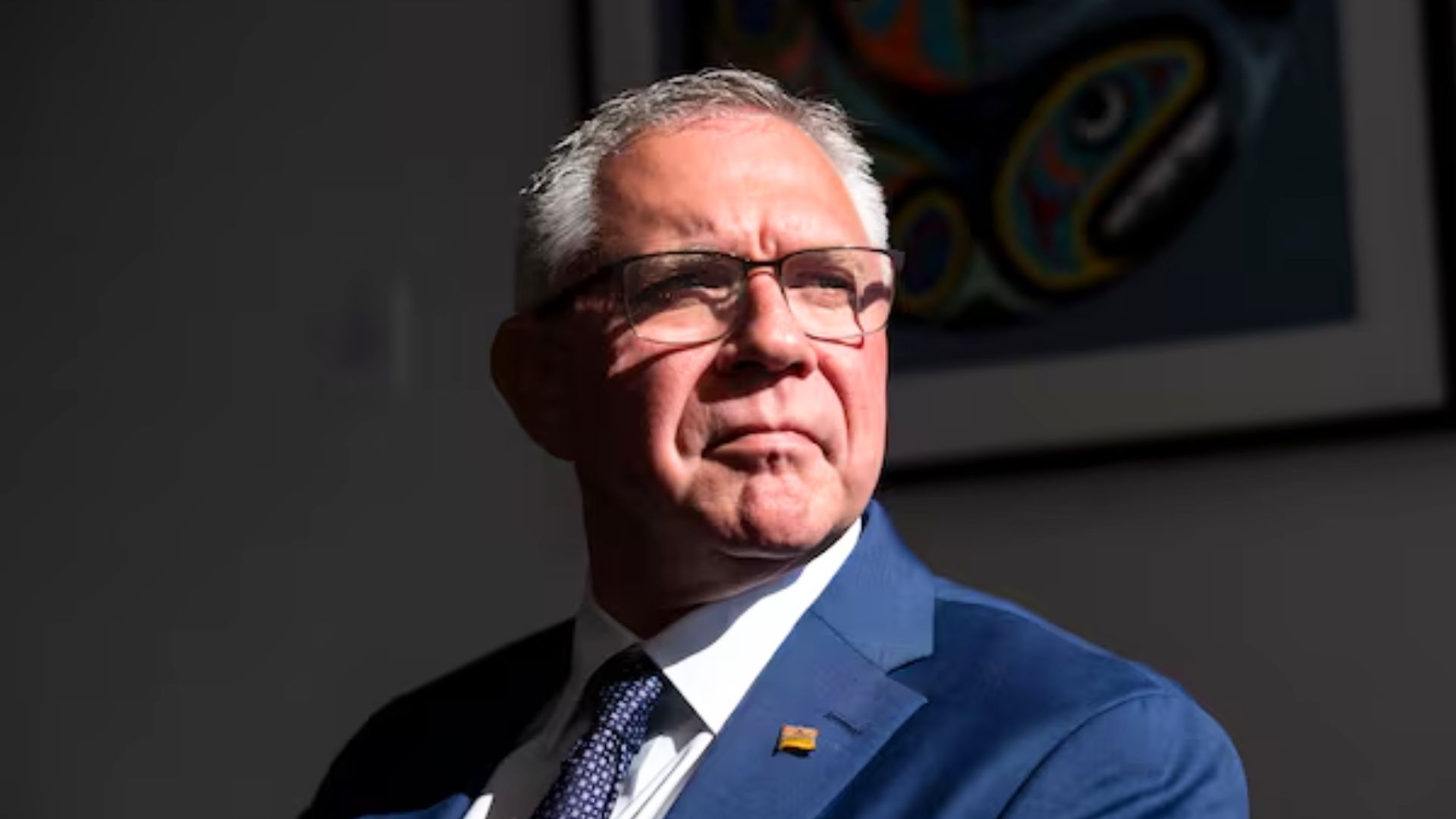
Photo courtesy: The Globe and Mail
VANCOUVER, British Columbia — British Columbia’s premier-designate, Lorne Doerkson, has outlined plans to review the province’s finances, pursue a new oil pipeline to the West Coast, and introduce tax relief as his Conservative Party prepares to form government following its provincial election victory.
Doerkson presented his priorities at a news conference on October 25, a day after the Conservatives secured a projected majority in an election that brought an end to nine years of BC NDP government.
His immediate focus will be examining the province’s growing deficit, addressing healthcare challenges, and opening discussions with Alberta and Ottawa on major energy infrastructure.
Doerkson said his team would begin receiving briefings from public servants ahead of the transition to government.
“British Columbians voted for change last night,” he told reporters, pledging to begin work without delay.
However, Doerkson has not yet been sworn in as premier, and his proposals will require further government decisions, legislative action, or regulatory approvals before taking effect.
Financial review to tackle nearly $14B deficit
One of Doerkson’s first planned actions is an independent review of British Columbia’s finances.
The province is facing a projected C$13.8-billion deficit for the 2026–27 fiscal year, according to its latest financial update. The estimate is C$450 million higher than originally forecast in the provincial budget.
Doerkson has raised concerns about the province’s debt and spending levels, saying a comprehensive financial assessment is needed before his government can establish a path toward balancing the budget.
The proposed review would examine the province’s fiscal position and help guide future spending decisions.
However, the incoming Conservative government has not announced a deadline for balancing the budget or identified specific spending reductions.
Tax relief is also part of Doerkson’s agenda.
The BC Conservatives campaigned on a proposal to reduce provincial income taxes, with the aim of returning approximately C$1,000 annually to individual taxpayers.
The party presented the measure as a way to ease financial pressure on households facing higher living costs.
The tax reduction remains a campaign commitment and has not yet been implemented.
West Coast oil pipeline among major priorities
Doerkson is also seeking to advance a proposed oil pipeline connecting Alberta to British Columbia’s Pacific coast.
The project, referred to as the Pacific Link pipeline, is intended to expand access to overseas markets for Canadian oil.
The premier-designate said he wants to work with Alberta Premier Danielle Smith and Prime Minister Mark Carney to move discussions forward.
A new pipeline could provide another export route for Alberta’s oil industry, although its economic benefits would depend on construction costs, commercial agreements, and market demand.
The project remains in the proposal stage.
No final route, construction schedule, financing agreement, or regulatory approval has been confirmed.
Development would also require environmental assessments and consultation with Indigenous communities whose territories could be affected.
For Doerkson, pursuing the pipeline forms part of a broader effort to encourage investment and strengthen British Columbia’s resource economy.
Indigenous rights legislation faces possible repeal
Another significant policy change under consideration is the repeal of British Columbia’s Declaration on the Rights of Indigenous Peoples Act (DRIPA).
Passed unanimously in 2019, the legislation provides a framework for aligning provincial laws with the United Nations Declaration on the Rights of Indigenous Peoples.
It also requires the provincial government to work with Indigenous peoples on implementation and reconciliation measures.
Doerkson has argued that the law created legal uncertainty and complicated resource development and other provincial decisions.
He said he intends to pursue its repeal, potentially during a legislative session next spring.
The proposal has raised concerns among Indigenous leaders who view the legislation as an important foundation for protecting rights and strengthening relations with the provincial government.
Repealing the law would require legislative action. It would not automatically eliminate Aboriginal and treaty rights protected under Canada’s Constitution.
Doerkson has said he remains willing to work with First Nations communities, although the planned repeal could become a significant issue for his incoming administration.
Healthcare reforms also planned
Alongside financial and energy policies, Doerkson has promised to examine problems affecting British Columbia’s healthcare system.
He plans to establish an expert commission focused on hospital emergency rooms and patient wait times.
The proposed commission would review existing challenges and recommend ways to improve access to care.
Further details, including its membership, responsibilities, and reporting schedule, have not yet been released.
Conservatives prepare to take office
Doerkson’s agenda follows a major change in British Columbia’s political leadership.
The Conservatives are leading in 63 of the province’s 93 electoral districts, well above the 47 seats required for a majority government.
The BC NDP is leading in 28 districts, while the BC Greens hold leads in two.
According to Elections BC’s completed initial count, the Conservatives received 48.06% of the vote, while preliminary voter turnout stood at 48.14%.
The results remain preliminary, with the final count scheduled for November 6 to 10.
The election was called two years ahead of schedule by outgoing Premier David Eby, who resigned as NDP leader after the party’s defeat.
Eby remains premier during the transition, while Doerkson prepares to assume office once formally sworn in.
A date for the new government’s swearing-in has not yet been confirmed.
Doerkson has also indicated that the legislature could be recalled before the end of the year, although no schedule has been announced.
With a projected majority, the Conservatives are positioned to pursue substantial changes to provincial policy.
Meanwhile, their proposed financial review, tax cuts, pipeline development, healthcare reforms, and repeal of DRIPA remain commitments awaiting action after the transition of government.